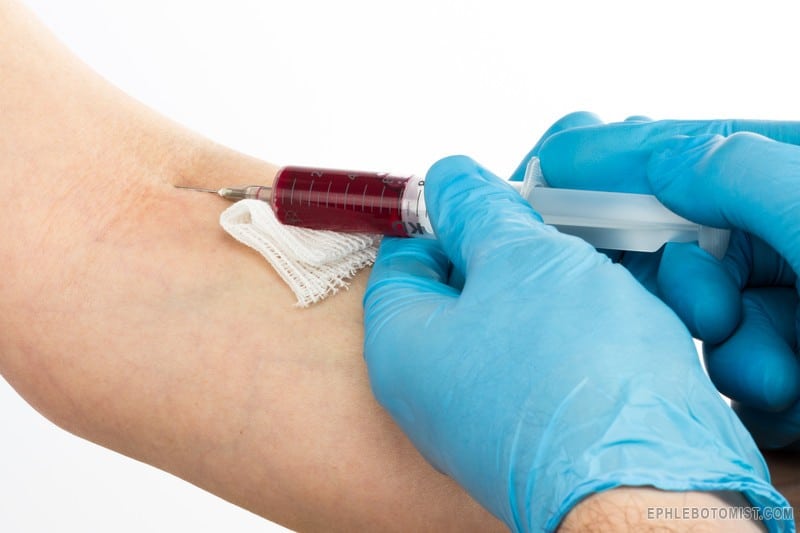
How to Become a Certified Phlebotomist: Step-by-Step Guide to launch Your Medical Lab Career
If you’re drawn to healthcare and want a practical, hands-on role that helps people every day, becoming a certified phlebotomist is an excellent path. Phlebotomists are essential members of the medical laboratory team, responsible for drawing blood, labeling specimens, and ensuring samples are collected safely and accurately. With a structured training path, hands-on practice, and a recognized certification, you can launch a rewarding medical lab career in a relatively short period of time.
Why become a certified phlebotomist?
Certification validates your skills, elevates your employability, and often broadens your career prospects in clinical laboratories, hospitals, clinics, blood banks, and diagnostic centers.A certified phlebotomist typically enjoys:
- Clear job opportunities and competitive entry-level pay
- Structured training that blends theory with hands-on practice
- professional credibility with employers and colleagues
- pathways to advanced roles in the medical laboratory field
What does a phlebotomist do?
Phlebotomists perform essential tasks that ensure patients receive safe,accurate care. Core responsibilities include:
- Collecting blood specimens via venipuncture or capillary techniques
- -labeling samples correctly and ensuring chain-of-custody
- Preparing specimens for analysis and handling any special requirements
- Following strict safety and infection control protocols
- Interacting compassionately with patients and healthcare staff
Step-by-step path to certification
Below is a practical, practitioner-focused roadmap. You’ll see typical timelines, actions, and what to expect at each stage. Keep in mind that requirements can vary by country, state, and employer, so always verify with local guidelines and the specific certification bodies you’re considering.
Step 1: Check prerequisites and choose a program
Before you commit, review the prerequisites and program options. Common requirements include:
- High school diploma or equivalent (GED)
- Immunizations and current health status (e.g., TB test, hepatitis B vaccine may be requested)
- Criminal background check and drug screening requirements (varies by region)
- Basic computer literacy and comfort with paperwork
Program options typically fall into two categories:
- certificate programs (often 4-12 months) focus specifically on phlebotomy skills, specimen handling, and safety protocols.
- Diploma or associate in allied health programs (12-24 months) offer broader laboratory science exposure with a phlebotomy emphasis.
Tips to choose the right program:
- Look for programs accredited by a recognized agency or affiliated with a local college or hospital.
- Verify that the program includes a hands-on clinical externship or practicum.
- Check which national certification exams the program prepares you for and whether it’s recognized by employers in your area.
Step 2: Complete a recognized phlebotomy training program
A quality training program will cover:
- Anatomy and physiology basics related to blood collection
- Phlebotomy techniques (venipuncture, capillary puncture)
- Specimen handling, labeling, and documentation
- Infection control, safety procedures, and OSHA standards
- Quality assurance, patient communication, and customer service
Clinical practice is essential. Most programs include a supervised externship in a real healthcare setting, giving you hands-on experience with:
- Tourniquet use, vein selection, and needle techniques
- Specimen collection from diverse patient populations
- Problem-solving in high-demand environments and handling difficult draw situations
Typical duration: 4-12 months, depending on the depth of the program and whether you study full-time or part-time. Typical costs range from a few hundred to several thousand dollars, depending on location, institution, and whether the program includes job placement assistance.
Step 3: gain hands-on clinical externship
Clinical externships are the bridge between classroom learning and real-world work. They help you:
- Practice phlebotomy techniques under supervision
- Improve patient interaction and communication under real conditions
- Learn hospital workflow, specimen transport, and lab safety culture
Maximize your externship by taking notes, seeking feedback, and asking questions about difficult venipuncture scenarios, pediatric draws, or patients with challenging veins.Treat externships as a proving ground for your professionalism and technical accuracy.
Step 4: Choose a certification body and prepare for the exam
National certification is a powerful credential that demonstrates you meet industry-standard competency.Several reputable certifying bodies offer phlebotomy credentials, including but not limited to ASCP BOC, NHA, AMT, and NCCT.when selecting a certifying body, consider:
- Employer recognition in your area or the region where you intend to work
- Certification exam availability and testing locations
- Recertification requirements and ongoing CE (continuing education) obligations
- Fees for examination and renewal cycles
What to expect on the exam varies by body, but common elements include:
- Foundational knowledge in phlebotomy techniques and safety
- Clinical scenario questions and problem-solving
- Specimen handling, QA/QC, and pre-analytical processes
- Ethical considerations and patient communication
Exam prep tips:
- Review your program’s study materials and any official practice tests
- Use flashcards for terms like anticoagulants, tourniquest, and specimen types
- Join study groups or use online practice questions to simulate test conditions
- Schedule your exam when you feel confident about both technique and theory
Step 5: Pass the certification exam and earn your credential
After passing, you’ll receive your certificate or designation from the certifying body. Keep digital and physical copies in your professional files. You’ll also typically begin accruing continuing education credits to renew your certification on time. Renewal windows vary by certifying body, but many require CE every 2-5 years, with a specific number of contact hours or units.
Step 6: Maintain certification and advance your career
Keeping your certification current signals ongoing commitment to best practices. Consider these activities:
- Completing required CE credits through accredited courses, webinars, or conferences
- Staying updated on safety standards, new collection devices, and workflow improvements
- Seeking opportunities to expand skills, such as capillary collection or pediatric phlebotomy
- Networking with healthcare teams to explore advancement into donor services, specimen processing, or supervisory roles
Step 7: Launch your job search in a medical lab
With your training and certification in hand, you’re ready to pursue roles in:
- Hospitals and urgent care centers
- Clinical laboratories and diagnostic centers
- Blood banks and donation centers
- Ambulatory care clinics and home health agencies
Tips for a strong job application and interview:
- Highlight your clinical externship experiences, patient communication skills, and adherence to safety protocols
- Prepare a phlebotomy-focused resume with measurable outcomes (e.g., number of draws per shift, error-free specimen labeling rate)
- Practice common interview questions about handling difficult draws and patient interactions
- Research potential employers and tailor your cover letter to their needs (e.g., high-volume lab vs. hospital setting)
Certification options and comparisons
To help you compare at-a-glance, here is a concise overview of common certification pathways. Remember, the exact prerequisites and exam content can vary by certifying body, so verify current details on the organization’s site before applying.
| Certification Body | credential | Typical Eligibility | Exam Focus | Renewal/CE |
|---|---|---|---|---|
| ASCP BOC | Phlebotomy Technician (PBT) | High school diploma or equivalent; completion of an approved program; externship experience | Phlebotomy techniques, safety, specimen handling, QA/QC | Renewal with CE credits every 3-5 years (varies by state) |
| NHA | Certified Phlebotomy Technician (CPT) | Completion of an accredited phlebotomy program; documented clinical practice | Practice-based scenarios, collection procedures, patient safety | CE requirements for renewal; typically every 2-3 years |
| AMT | Phlebotomy Technician (RPT) or equivalent | Program completion plus clinical experience | Procedural knowledge, specimen management, ethical considerations | Renewal with CE credits |
| NCCT | Certified Phlebotomy Technician (CPT) | Graduated from an approved program; externship or practicum | Technical skills, safety, and patient interaction | CE credits required for renewal |
Practical tips to accelerate your phlebotomy career
- Choose a program with an on-site clinical externship to maximize real-world confidence
- Volunteer or seek part-time lab assistant roles to gain exposure to lab workflows
- attend phlebotomy or healthcare career fairs to network with employers
- Prepare a clean, achievement-focused resume and a tailored cover letter for each job
- Keep patient safety and empathy at the forefront of every interaction
Case studies: real-world paths to success
Case Study A – Maria’s fast launch into a hospital lab
- Background: High school diploma, completed a 6-month certificate program with externship
- Path: Earned a phlebotomy certification, passed a national exam, renewed with CE credits
- Outcome: Secured a full-time phlebotomist role at a metropolitan hospital within 3 months of certification
Case Study B – Alex builds a broader career in the clinical lab
- Background: Diploma in allied health, completed comprehensive phlebotomy training
- path: Gained certification and pursued an associate degree in clinical laboratory science to open doors to supervisory roles
- Outcome: Transitioned from phlebotomy to a coordinating role in specimen processing with a clear ladder for advancement
Firsthand experience: tips from seasoned professionals
veteran phlebotomists emphasize the following in daily practice:
- Structure, organization, and accuracy matter as much as technique
- Develop a calm bedside manner; many patients are anxious or fearful
- Keep your workstation clean, well-lit, and well-stocked to reduce errors
- Ask for feedback from clinicians and lab staff to continually improve
resources and next steps
Useful steps you can take today to move forward:
- Contact local community colleges or vocational schools for phlebotomy programs
- Research national certification bodies and their exam dates in your region
- Join relevant professional associations or online communities for phlebotomy
- Prepare a personal growth plan outlining timelines for training, certification, and job applications
Conclusion
Becoming a certified phlebotomist is a practical and rewarding entry into the world of healthcare. With the right training, hands-on practice, and a respected certification, you can confidently start a medical lab career that offers steady demand, meaningful patient contact, and opportunities for growth in clinical settings. Use this step-by-step guide as your roadmap: research prerequisites, complete a reputable training program with clinical externship, pass a national certification exam, maintain your credential with continuing education, and actively pursue job opportunities in hospitals, clinics, and diagnostic centers. Your path to becoming a certified phlebotomist starts with a plan-and the commitment to carry it through with professionalism and care.