How to Become a Certified Phlebotomist: step-by-Step Guide to Certification and Career Success
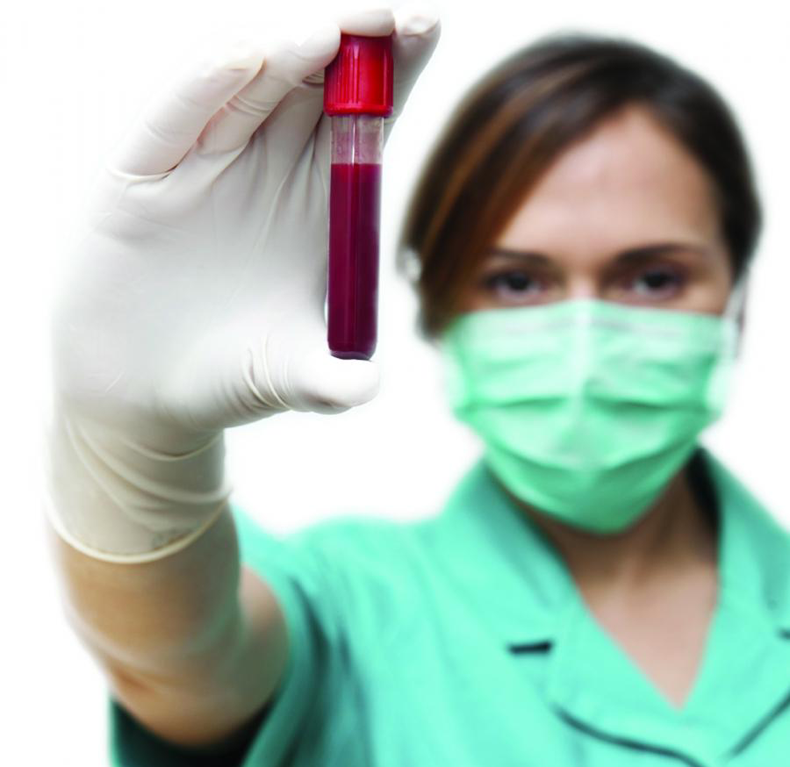
If you’re considering a rewarding career in healthcare that combines patient care with technical skills, becoming a certified phlebotomist is an excellent choice. Phlebotomists play a crucial role in medical laboratories, hospitals, and clinics by collecting blood samples essential for diagnosis and treatment.This extensive guide will walk you through the step-by-step process to achieve certification, enhance your employability, and succeed in your career as a professional phlebotomist.
Understanding the Role of a Certified Phlebotomist
A certified phlebotomist specializes in drawing blood from patients for laboratory testing, transfusions, research, or blood donations. Their responsibilities encompass patient interaction, ensuring sample integrity, and adhering to safety protocols. Certification not only verifies your competency but also enhances your credibility and career prospects in the medical field.
Why get Certified? Benefits of Phlebotomy Certification
- Increased Job Opportunities: Many healthcare facilities require certification for employment.
- Higher Earning Potential: Certified professionals tend to earn more than their non-certified counterparts.
- Professional Credibility: Certification demonstrates your knowledge and adherence to industry standards.
- Career Advancement: Certification can open doors to supervisory roles or specialized healthcare positions.
- Legal and Safety Compliance: Ensuring safe collection practices protects both patients and healthcare providers.
Step-by-Step Process to Become a Certified Phlebotomist
Step 1: Meet the Basic Requirements
Before embarking on your phlebotomy certification journey, ensure you meet the general prerequisites, which typically include:
- Being at least 18 years old
- Possessing a high school diploma or GED
- Having a clean criminal background check
- Possessing good manual dexterity and interpersonal skills
Step 2: Enroll in a Accredited Phlebotomy Training Program
Choosing the right training program is vital. Look for accredited institutions that offer comprehensive courses covering:
- Anatomy and physiology
- Patient interaction and interaction skills
- Venipuncture and skin puncture techniques
- Safety protocols and infection control
- Legal and ethical considerations
Most programs combine classroom instruction with practical laboratory skills and supervised clinical experience, which is essential for hands-on mastery.
Step 3: Gain Hands-on Clinical Experience
Practical experience is critical.During your training, you should complete a set number of real blood draws under supervision. This experience builds confidence and competence, preparing you for certification exams and real-world scenarios.
Step 4: Prepare for the Certification Exam
Once your training is complete, you’ll need to prepare for the certification exam. Review your coursework, practice blood collection techniques, and consider using prep materials or joining study groups.Focus on areas such as:
- Proper venipuncture procedures
- Global safety standards
- Patient identification and communication
- Lab safety and biohazard handling
Step 5: Pass the Certification Exam
Diffrent certifying bodies offer phlebotomy certification, including:
| Certification Body | Exam Name | Eligibility Requirements |
|---|---|---|
| American Society for Clinical Pathology (ASCP) | Certified Phlebotomy Technician (CPT) | Completion of accredited training & clinical experience |
| national Healthcareer association (NHA) | Certified Phlebotomy Technician (CPT) | High school diploma & training |
| American Medical Technologists (AMT) | Registered Phlebotomy Technician (RPT) | Training & clinical experience |
Successfully passing your certification exam will lead to official recognition as a certified phlebotomist, opening employment opportunities across healthcare facilities.
additional Practical Tips for Aspiring Certified Phlebotomists
- Maintain professional certification: Stay updated with continuing education and recertification requirements.
- Develop excellent patient communication skills: Building rapport facilitates accomplished blood draws.
- Practice proper safety protocols: Always adhere to OSHA standards and universal precautions.
- Network with healthcare professionals: Attend industry events, join professional associations, and seek mentorship.
Case Studies: Real-Life Success Stories
Many successful phlebotomists started with minimal experience but grew their careers through dedication and certification:
| Name | Journey Highlight | Current Position |
|---|---|---|
| Jane D. | Completed accredited training, certified & gained experience in hospital labs. | Lead Phlebotomist at City hospital |
| Mark S. | started as a phlebotomy technician, pursued certification & advanced to supervisory roles. | Phlebotomy Supervisor |
First-Hand Experience: What It’s Really Like to Be a phlebotomist
Becoming a certified phlebotomist offers a fulfilling career with opportunities to help patients and work in diverse healthcare environments.From working in clinics to blood banks, the daily routine involves patient interaction, technical skill submission, and strict adherence to safety standards. Many find this role highly rewarding due to its direct impact on healthcare outcomes.
conclusion: Your Pathway to a Successful Phlebotomy Career
Embarking on your journey to become a certified phlebotomist involves dedicated training, hands-on clinical practice, and passing a recognized certification exam. With certification, you gain credibility, unlock better job prospects, and lay the foundation for a successful career in healthcare. Whether you’re just starting or seeking to advance, following these steps will guide you toward achieving your professional goals and making a meaningful difference in patients’ lives.
Ready to Get Started?
If you’re passionate about healthcare, enjoy working with people, and want a dynamic career with growth potential, becoming a certified phlebotomist is an excellent choice. Begin your training today, pursue certification, and step confidently into a rewarding healthcare profession!