How to Become a Certified Phlebotomist in NY: Your Complete Step-by-Step Guide
If you’re interested in a rewarding healthcare career, becoming a certified phlebotomist in New York offers excellent opportunities to make a difference in patients’ lives while enjoying job stability. This complete guide will walk you through every step needed to achieve certification, providing valuable insights, practical tips, and actionable advice to help you succeed.
Introduction
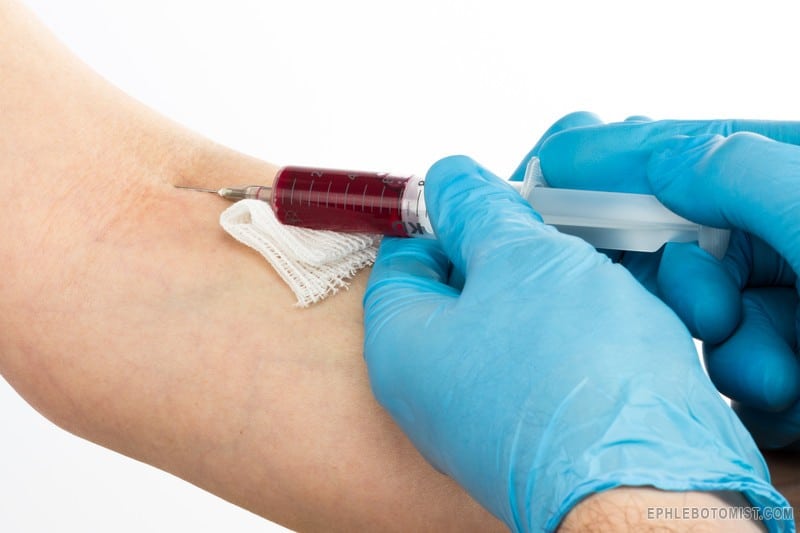
Phlebotomy is a specialized medical profession that involves drawing blood for tests, transfusions, donations, or research.In New York, becoming a certified phlebotomist not only increases your employability but also ensures you meet the state’s licensing requirements. whether you’re new to healthcare or looking to specialize, understanding the certification process is essential. Let’s explore the key steps to become a certified phlebotomist in NY, and discover how you can start your journey today.
Understanding the role of a Phlebotomist in NY
Phlebotomists are vital members of the healthcare team, responsible for collecting blood samples safely and efficiently. They work in hospitals, clinics, laboratories, blood banks, and emergency rooms. Providing compassionate patient care, maintaining safety protocols, and accurately labeling specimens are core responsibilities. Certification enhances credibility and compliance with New York State healthcare regulations.
Necessary Qualifications and Prerequisites for Phlebotomy Certification in NY
Before embarking on certification, ensure you meet the basic qualifications:
- High school diploma or equivalent (GED)
- Minimum age of 18 years
- Accomplished completion of a phlebotomy training program (recommended but varies by certifying agency)
- Background check (may be required)
Step 1: Enroll in a Recognized Phlebotomy Training Program in New York
The frist and most crucial step is completing a comprehensive phlebotomy training program. These programs cover anatomy, blood collection techniques, safety procedures, and laboratory regulations.
Choosing the Right Program
- Accredited by agencies like the National Accrediting Agency for Clinical Laboratory Sciences (NAACLS)
- Offered by community colleges, vocational schools, or hospitals
- Includes hands-on clinical experience
Some reputable programs in New York include:
| Program name | Location | Duration | Certification Offered |
|---|---|---|---|
| NYC Health + hospitals Phlebotomy Program | New york City | 4-6 weeks | Certificate of Completion |
| City College of NY – Phlebotomy Training | New York city | 8 weeks | Certification Prep |
| Hudson Valley Community College | Albany | 12 weeks | Approved Certification |
Step 2: Gain Practical Experience through Clinical Training
Hands-on clinical experience is an integral part of your training. It allows you to practice blood collection techniques under supervision, building confidence and competence. Ensure your program offers sufficient clinical hours in real healthcare settings.
Practical tips:
- Be punctual and professional during clinical rotations
- Practice proper hemato-statistics and safety measures
- Ask questions and seek feedback from experienced staff
Step 3: Prepare for and Pass the Certification Exam
Certification is often granted through reputable agencies like the National Healthcareer Association (NHA) or the American Society for Clinical Pathology (ASCP). To qualify for the exam, you must meet their prerequisites, typically including the completion of a training program.
Popular certification Options in NY
- Certified Phlebotomy Technician (CPT) – NHA
- Phlebotomy Technician Certification – ASCP
- National Phlebotomy Certification (NHC)
Exam Preparation Tips
- Review your course materials thoroughly
- Utilize online practice exams
- Attend review sessions if available
- Focus on areas like safety protocols, specimen handling, and anatomy
Step 4: Fulfill State-Specific Requirements and Apply for Certification
New York state requires phlebotomists to be certified or registered. Once you pass your national exam, submit your application to the New York State Department of Health (NYSDOH) along with the necessary documentation.
| Required Documents | Details |
|---|---|
| Application form | Available on NYSDOH website |
| Proof of training completion | Certificate or transcript |
| Exam score report | Passed certification exam |
| Fees | Applicable processing fee |
Benefits of Certified Phlebotomists in NY
Becoming certified offers numerous advantages, including:
- Higher employability and job prospects
- Increased earning potential
- Enhanced credibility and professionalism
- Opportunities for advancement into supervisory or specialist roles
- meeting legal and regulatory requirements in NY
Practical Tips and Advice for Aspiring Phlebotomists
Top Tips:
- Start with reputable training programs for quality education
- Gain as much clinical practice as possible
- Prepare thoroughly for certification exams
- Keep abreast of new techniques and industry standards
- Develop excellent patient communication skills
- Join professional associations like the American Society for Clinical Pathology (ASCP) for networking and resources
Case Study: A Success Story from New York
Meet Lisa, a Certified Phlebotomist in NY
Lisa started her journey by enrolling in a local NY-based phlebotomy program.After gaining hands-on clinical experience, she passed the NHA certification exam and submitted her application to NYSDOH. Today, Lisa works at a top hospital in NYC, enjoying steady hours and a fulfilling career in healthcare. Her story exemplifies that with dedication and proper training, becoming a certified phlebotomist in NY is entirely achievable.
Conclusion
Becoming a certified phlebotomist in New York is a rewarding career choice filled with opportunities for growth and growth.By following the essential steps-completing accredited training, gaining practical experience, passing the certification exam, and fulfilling state requirements-you can establish yourself as a respected professional in the healthcare field. Remember, continuous learning, excellent patient care, and professional dedication will pave the way for a successful future as a certified phlebotomist in NY.
If you’re passionate about healthcare and helping others, starting your journey in phlebotomy today might be the best decision you ever make!