How to Become a Certified Phlebotomist: A Step-by-Step Training Guide
Embarking on a career as a certified phlebotomist is a rewarding journey that combines medical knowledge, technical skills, and compassion. Whether you’re a recent graduate seeking a healthcare profession or someone looking to specialize in laboratory procedures, becoming a certified phlebotomist opens doors to diverse employment opportunities in hospitals, clinics, laboratories, and blood donation centers.
introduction
Phlebotomy is a vital healthcare skill, involving the collection of blood samples for testing, donation, or research. As demand for qualified phlebotomists continues to grow, understanding the steps to become certified can definitely help you navigate the process smoothly. This comprehensive guide breaks down each phase, from initial education to certification, providing practical tips and insights to kickstart your career in this essential healthcare field.
Why Become a Certified Phlebotomist?
- High demand: Certified phlebotomists are sought after in various healthcare settings.
- Career advancement: Certification can lead to higher salaries and specialized roles.
- Skill growth: Gain valuable technical and interpersonal skills.
- Job satisfaction: Play a crucial role in patient care and health diagnostics.
- Flexible work environments: Opportunities in hospitals, clinics, mobile labs, and more.
Step-by-Step Guide to Becoming a Certified Phlebotomist
Step 1: Meet the Basic Educational Requirements
Most phlebotomy training programs and certification bodies require candidates to have at least a high school diploma or GED. Some programs may prefer or require applicants to have completed coursework in anatomy and physiology, biology, or healthcare-related subjects.
Step 2: Enroll in a Certified Phlebotomy Training Program
Choosing the right training program is crucial. Look for programs accredited by reputable organizations such as the National Accrediting Agency for Clinical Laboratory Sciences (NAACLS) or your state’s health department. A comprehensive program typically includes both theoretical learning and practical skills training.
- Course Content: Anatomy and physiology, blood collection techniques, safety protocols, infection control, patient interaction.
- Duration: Usually 1-4 months depending on program intensity.
- Format: On-campus or online with practical labs.
Step 3: gain Hands-On practical Experience
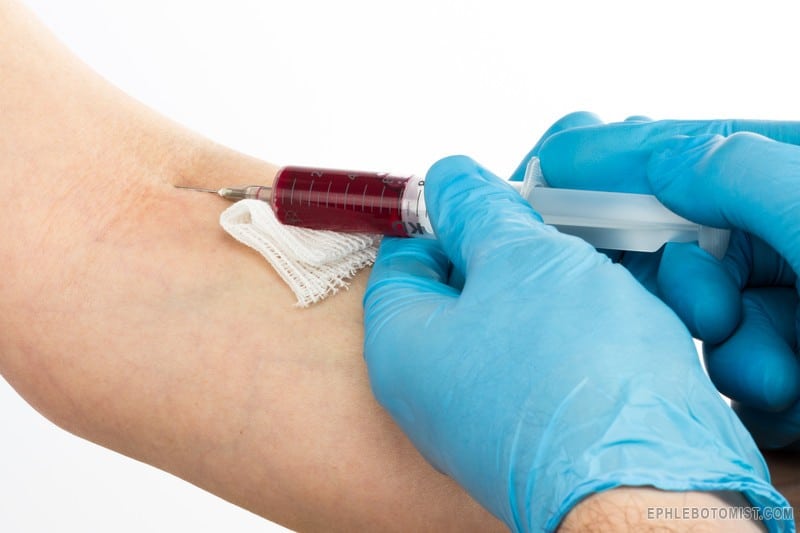
The practical portion of training allows you to develop proficiency in venipuncture and capillary puncture.Many programs include simulated exercises or supervised practicum hours in clinical settings or labs. Hands-on experience is critical for building confidence and ensuring safety and accuracy in sample collection.
Step 4: Obtain Certification
While some states may require only licensure, most aspiring phlebotomists seek certification through recognized certifying agencies such as:
| Certification Agency | Requirements | Additional Info |
|---|---|---|
| American Society for Clinical Pathology (ASCP) | Complete training + pay exam fee | Most widely recognized |
| National Phlebotomy Association (NPA) | Minimum 40 hours training + exam | Offers specialized certifications |
| American Medical technologists (AMT) | Training + work experience + exam | Optional but highly recommended |
Preparing for the certification exam involves review of blood collection techniques, safety protocols, and patient dialog. Practice exams and study guides are highly beneficial.
Step 5: pass the Certification Exam
The exam typically covers:
- Basic anatomy and physiology
- Venipuncture and capillary puncture procedures
- Safety and infection control practices
- Patient interaction and comfort management
Passing the exam earns you a certified phlebotomist credential,which is valid for a specific period (usually 2-4 years),after which recertification is required.
Step 6: Obtain State Licensure (If Required)
Some states, like California and Louisiana, mandate licensure or registration. Check your state’s licensing requirements and ensure your certification aligns with them to practice legally.
Step 7: Maintain Certification and Advance Your Career
Ongoing education and recertification ensure you stay current with advancements in the field. Many certifying agencies require continuing education credits.
Practical Tips and Benefits of Becoming a Certified Phlebotomist
- Start early: Enroll in a reputable training program as soon as possible.
- Practice regularly: Develop your skills through simulated exercises and supervised practice.
- Network: Join professional associations like the NPA or ASCP for job opportunities and continuing education.
- Focus on patient care: Excellent interpersonal skills enhance your reputation and job satisfaction.
Case Study: A Day in the Life of a Certified Phlebotomist
Maria, a certified phlebotomist with two years of experience, shares her typical day: “Most of my day involves drawing blood from patients of all ages. I ensure they’re comfortable and informed about the process. The best part is knowing I’m helping doctors diagnose and treat illnesses. The training I received made me confident and competent from day one.”
Conclusion
Becoming a certified phlebotomist is a structured process that combines education, practical experience, and credentialing. By following this step-by-step training guide,you will be well on your way to entering a dynamic healthcare profession with ample growth opportunities.Remember, dedication, continuous learning, and a compassionate approach are key to succeeding in this rewarding field.
If you’re passionate about healthcare, enjoy working with people, and are detail-oriented, pursuing certification as a phlebotomist can be a fulfilling career choice. Begin your journey today and contribute meaningfully to patient care and medical diagnostics!