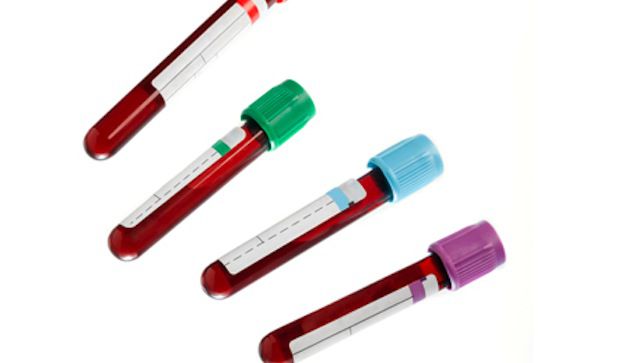
How to Apply for a Phlebotomy Certification: Step-by-Step Guide to Launch Your Healthcare Career
Entering the healthcare field as a certified phlebotomist can be a rewarding career choice, offering both stability and the possibility to make a real difference in patients’ lives. Whether you’re just starting out or looking to advance your healthcare career, obtaining a phlebotomy certification is a crucial step. in this extensive guide, we’ll walk you through the entire process – from understanding the requirements to successfully earning your certification and beyond. Learn how to navigate the application process with ease and set yourself on a path toward a fulfilling healthcare profession.
Why Is Phlebotomy certification Important?
Phlebotomy certification verifies your skills and knowledge as a healthcare professional authorized to draw blood samples. It enhances your credibility, increases job prospects, and often is a requirement for employment in hospitals, clinics, laboratories, and blood donation centers. Additionally, certified phlebotomists are better positioned for salary increases and career advancement opportunities.
Prerequisites and Eligibility Criteria for Phlebotomy Certification
Before applying, it’s essential to ensure you meet the eligibility requirements set by certification agencies. Common prerequisites include:
- High school diploma or GED equivalent
- completion of a phlebotomy training program (typically 40-120 hours)
- Practical experience or clinical hours
- Background check and health clearance (may vary by state and certifying body)
Always review the specific criteria of the certification agency you wish to apply with, such as the American Society for Clinical Pathology (ASCP) or the National Phlebotomy Association (NPA).
Step-by-Step guide to Applying for a Phlebotomy Certification
Step 1: Complete a Certified Phlebotomy Training Program
The first step in obtaining your certification is completing an accredited phlebotomy training program. These programs teach you essential skills like blood collection techniques, safety protocols, and patient dialog.
Step 2: Gain Practical Experience
Hands-on experience is vital. Most training programs include clinical practice hours, where you learn to perform blood draws under supervision. Some certification exams also require a minimum number of successful procedures.
step 3: Prepare Your Application
Gather necessary documents, including:
- Proof of completed training and clinical hours
- Evidence of educational background (diploma or GED)
- Identification and background check clearance
- Application fee payment receipt
Step 4: Choose a Certification Agency
Popular agencies include:
- American Society for Clinical pathology (ASCP)
- National Healthcareer Association (NHA)
- American Medical Technologists (AMT)
- National Phlebotomy Association (NPA)
Select the agency aligned with your career goals and review their specific application instructions.
Step 5: Submit Your Application
You can typically apply online via the agency’s website. Ensure all documents are accurate and complete before submission to avoid delays.
Step 6: Schedule and Pass the Certification Exam
Once your application is approved, you’ll receive instructions to schedule your exam. Prepare thoroughly by reviewing key concepts, procedures, and safety protocols. Passing the exam earns you official certification.
Step 7: Maintain and Renew Your Certification
Certification often requires renewal every 1-3 years,involving continuing education hours and fees. Staying current ensures your skills remain sharp and marketable.
Practical Tips to Successfully apply for Your Phlebotomy Certification
- Start early: Gather all documentation well in advance.
- Stay organized: Keep copies of all forms,certificates,and communications.
- Prepare for the exam: Use practice tests and study guides.
- Verify local requirements: Some states have specific licensing or certification rules-research accordingly.
- Network: Connect with certified phlebotomists for insights and mentorship.
Benefits of Obtaining Your Phlebotomy Certification
| benefit | Description |
|---|---|
| Higher Employability | Certified professionals have better job prospects. |
| Increased Salary Potential | Certification can lead to higher wages. |
| Professional Recognition | Earn respect within the healthcare community. |
| Career Advancement | Opportunities to specialize or move into supervisory roles. |
First-Hand Experience and Success Stories
“After completing my phlebotomy training and certification, I secured a position at a major hospital within three months. The certification gave me the confidence and credibility needed to excel,” shares Emma, a certified phlebotomist. Such success stories highlight the tangible benefits of proper certification and dedication.
Conclusion: Start Your Healthcare Journey Today
Applying for a phlebotomy certification is a straightforward process that, when done correctly, can propel you toward a rewarding career in healthcare. From completing accredited training to passing your certification exam, each step is an investment in your future. Remember, continuous learning and staying current with industry requirements ensure long-term success. If you’re passionate about helping others and eager to enter the vital world of healthcare, obtaining your phlebotomy certification is your first definitive step. Begin today, and take the first stride toward a fulfilling career in health services!