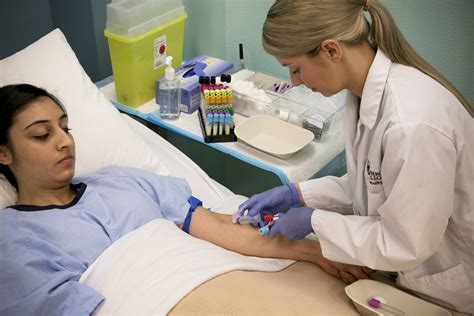
How Long Is Phlebotomy Training? A Complete Guide to Certification Duration and What to Expect
Are you considering a career as a phlebotomist but wondering about the time commitment involved? Phlebotomy,the art of drawing blood for tests,donations,and research,is a growing healthcare profession. But how long does the training take, and what are the steps to certification? In this extensive guide, we’ll explore the typical duration of phlebotomy training, certification timelines, practical tips, and what you can expect during your journey to becoming a certified phlebotomist.
Understanding Phlebotomy and Its Career Potential
Phlebotomy is a vital healthcare skill, essential across hospitals, clinics, diagnostic laboratories, blood donation centers, and research facilities. certified phlebotomists play a crucial role in patient care and diagnostic accuracy. With demand increasing and good earning potential,it’s an attractive profession for many aspiring healthcare workers.
How Long Is Phlebotomy Training? Key Factors
The duration of phlebotomy training varies depending on several factors, including the type of program, state requirements, and whether you’re pursuing a certificate or diploma. Here, we break down the typical timelines involved in becoming a certified phlebotomist.
Typical Training Duration
- Certificate Programs: Usually take between 4 to 8 weeks.
- Diploma or Associate Degree Programs: Can take 4 to 12 months.
- On-the-Job Training: Sometimes provided in clinical settings,lasting from several weeks to a few months.
Factors Influencing Training Duration
- program Format: Full-time vs. part-time courses can affect the overall timeline.
- Prerequisites: Prior healthcare experiance or certifications may shorten training needs.
- State Certification Requirements: Some states require more extensive training than others.
- Clinical Hours: Most programs include a hands-on clinical component,which can extend the duration.
Certification Timeline: What to Expect After Training
Once training is complete, aspiring phlebotomists need to obtain their certification.The certification process typically takes a few weeks but can vary based on the certifying agency.
Steps to Certification
- Complete an accredited phlebotomy training program.
- Gather required documentation, such as proof of training and clinical hours.
- Apply for certification through recognized agencies like the American Society for Clinical Pathology (ASCP), National Phlebotomy Association (NPA), or American Medical Technologists (AMT).
- Pass the certification exam, which usually takes about 2-3 hours.
Average Certification Timeline
| step | estimated Duration |
|---|---|
| Completing training program | 4 weeks to 12 months (depending on program) |
| Gathering documentation and submission | 1-2 weeks |
| Waiting for approval and scheduling exam | 2-4 weeks |
| Passing certification exam | Promptly upon exam completion |
What Does a Typical phlebotomy Training Program Cover?
A well-rounded phlebotomy training program focuses on both theoretical knowledge and practical skills. Here’s what you can expect to learn:
- Basic anatomy and physiology, especially the circulatory system.
- Blood collection techniques, including venipuncture and capillary puncture.
- Patient preparation and interaction skills.
- Safety procedures and infection control practices.
- Labeling and handling specimens accurately.
- Legal and ethical considerations in phlebotomy.
Benefits of Completing phlebotomy Training
- Fast Entry into Healthcare: Quick training allows you to start working sooner compared to other medical careers.
- High Demand: Growing healthcare industry means more job opportunities.
- Flexible Work Surroundings: Opportunities in hospitals, clinics, mobile labs, and more.
- Good Compensation: Entry-level positions often offer competitive wages, with potential for raises and specialization.
- Foundation for Further Healthcare Careers: Can serve as a stepping stone to nursing, medical technologist, or other specialties.
Practical Tips for Aspiring Phlebotomists
- Choose accredited training programs to ensure certification eligibility.
- Gain hands-on clinical experience to boost confidence and skill levels.
- Prepare thoroughly for certification exams with practice tests and study guides.
- Develop excellent communication and patient care skills-empathy goes a long way.
- Stay updated with new techniques and regulations in the healthcare field.
Case Study: A Day in the Life of a Certified Phlebotomist
Jane completed her 6-week phlebotomy training program and obtained her certification. She now works at a busy hospital, drawing blood from patients of all ages. Her typical day involves preparing patients, selecting the right equipment, performing venipunctures efficiently, labeling samples correctly, and maintaining safety protocols. Jane reports that with practice, her confidence has grown, and she finds the job rewarding, knowing she plays a crucial role in patient diagnosis and care.
First-Hand Experience: What to Expect During Training
Many students find phlebotomy training to be engaging and practical. Initial classes focus on theoretical knowledge, but the real learning happens during clinical practice. Expect to spend time practicing on mannequins before working with real patients. The hands-on component is vital for developing the dexterity and confidence needed in the field. Some students may feel nervous at first, but with patience and guidance from instructors, skills quickly improve.
conclusion
the length of phlebotomy training varies based on program type,delivery format,and certification requirements,generally ranging from a few weeks up to a year. Whether you opt for a quick certificate program or a more extensive diploma, the key is to gain practical experience and obtain certification to start your healthcare career. With the demand for qualified phlebotomists rising, now is a great time to take the first step toward this rewarding and essential profession. Remember, proper training, certification, and a compassionate approach are your keys to success in the field of phlebotomy.