How Long Is a Phlebotomy Course? A Complete Guide to Certification Duration and training Options
If you’re interested in entering the healthcare field, becoming a phlebotomist can be a rewarding and in-demand career choice. But one of the first questions many prospective students ask is: how long does a phlebotomy course take? In this complete guide, we’ll explore the various training options, certification durations, and practical tips to help you navigate your path to becoming a certified phlebotomist.
Understanding Phlebotomy Training and Certification
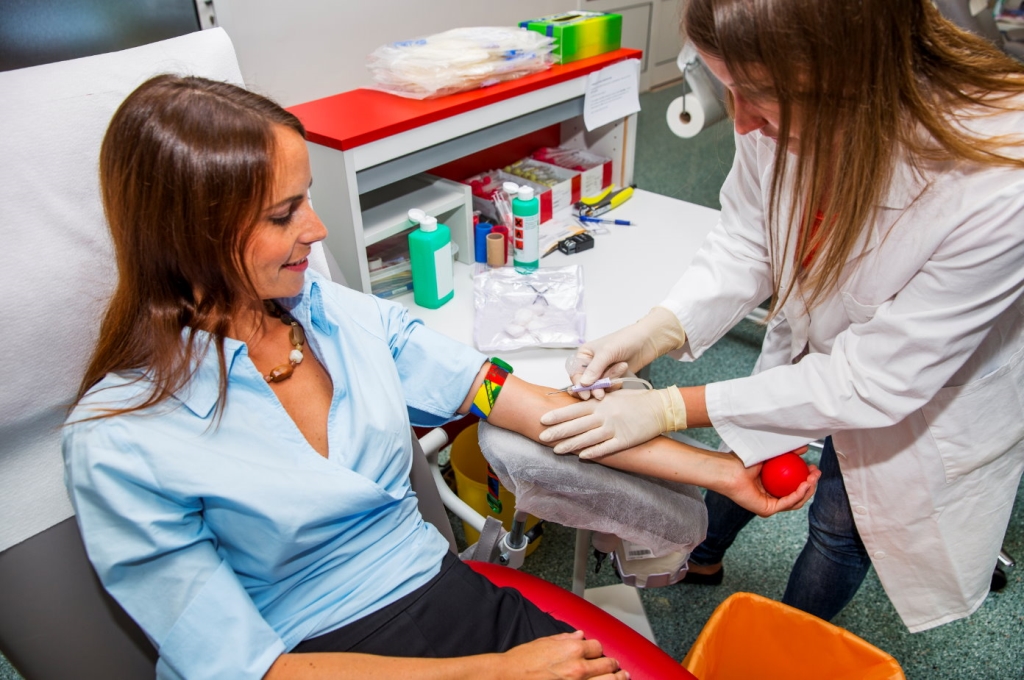
Phlebotomy involves drawing blood for laboratory testing, transfusions, donations, and research. To practice as a professional phlebotomist, you must complete specific training and earn certification. The duration of your training depends on the type of program you choose and your state’s requirements.
How Long Is a Phlebotomy course?
The length of a phlebotomy course varies widely based on the program’s structure, whether its a certificate program, diploma, or degree. Here’s a speedy overview:
| Training Option | Average Duration | Description |
|---|---|---|
| Certificate Programs | 4 to 12 weeks | Intensive courses focusing on core phlebotomy skills, frequently enough offered by community colleges, vocational schools, or online. |
| Diploma Programs | 3 to 6 months | More comprehensive training wiht additional clinical practice, sometimes integrated with other healthcare skills. |
| Associate Degree | 18 to 24 months | Extended education including general education courses along with phlebotomy training,typically offered by community colleges. |
| On-the-Job Training | Varies | Hands-on training provided by employers; duration depends on the employer’s program. |
Choosing the Right Training Program
Factors to Consider:
- Accreditation: Ensure the program is accredited by a recognized agency such as the national Accrediting Agency for Clinical Laboratory Sciences (NAACLS).
- Clinical Practice: Look for programs that include hands-on clinical training in real healthcare settings.
- Schedule Flexibility: decide if you need part-time, evening, or online options that fit your schedule.
- Cost: Compare tuition fees and additional expenses like supplies and uniforms.
Certification and Licensing: How Long Does It Take?
After completing your phlebotomy training, you need to pass a certification exam to become a registered phlebotomist. The certification process can add a few weeks to your timeline, depending on scheduling, application processing, and exam availability.
Popular Certification Options
- Certified Phlebotomy Technician (CPT) by the American Society for Clinical pathology (ASCP)
- Phlebotomy Technician Certification by the National Healthcareer Association (NHA)
- Certified Phlebotomy Technician (CPT) by the American Medical Technologists (AMT)
Most certification programs require you to have completed a training program and accumulated a specified number of clinical hours, typically between 40 to 120 hours, before qualifying to take the exam.
Practical Tips for Aspiring Phlebotomists
- Start with accredited programs: Ensures recognition and better job prospects.
- Gain hands-on experience: Focus on programs that include clinical practice to build confidence and skills.
- Prepare for certification exams: Use practice tests and study guides.
- Stay updated: Keep abreast of new techniques and industry standards.
- Network: Join professional organizations like the National Phlebotomy Association for job opportunities and continuing education.
Case Study: A Successful Phlebotomy Career Path
Meet Lisa, who completed a 4-week certificate program at her local community college.After passing the certification exam, she instantly started working as a phlebotomy technician at a hospital. Within six months, Lisa decided to pursue an associate degree in medical laboratory technology, further enhancing her career options and earning potential. This real-world example highlights how choosing the right training duration and continuing education can shape a successful career in healthcare.
Benefits of Completing a Phlebotomy course
- Short training periods: Quickly enter the workforce within a few weeks to months.
- High employment demand: Increasing need for blood collection specialists in hospitals,clinics,and labs.
- Flexible training options: Availability of online, part-time, and fast-track programs.
- Foundation for future growth: Opportunities to advance into laboratory technician roles or healthcare management.
Practical Tips for Success in Your Phlebotomy Course
- Register early to secure your spot in popular programs.
- Balance theory and practical training for maximum retention.
- Practice your skills regularly,even outside of class,to build confidence.
- Seek mentorship from experienced colleagues or instructors.
- maintain a professional attitude and adhere to safety protocols at all times.
conclusion
understanding the typical duration of a phlebotomy course and your training options is essential for planning your healthcare career. Whether you opt for a quick certificate program or pursue a longer associate degree,focus on accredited programs with hands-on clinical practice. Remember, certification is a vital step that typically adds a few weeks to your training timeline but significantly enhances your employability. With dedication and the right training, you can become a valuable part of the healthcare team as a certified phlebotomist.Start your journey today, and take the first steps toward a rewarding career in medical blood collection and patient care.