How Long Does It really Take to Become a Phlebotomist? A Comprehensive Guide
are you interested in pursuing a career in phlebotomy? If so, you might be wondering how long it takes to become a phlebotomist. Phlebotomy is a rewarding field in the healthcare industry, and understanding the time commitment involved is essential for prospective students.In this comprehensive guide, we will discuss the training, certification processes, and practical tips for aspiring phlebotomists.
Understanding the Role of a Phlebotomist
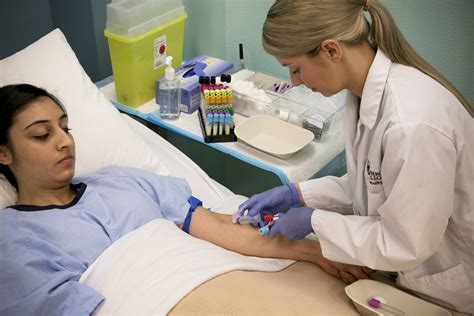
Before diving into the timeline of becoming a phlebotomist, it’s essential to understand what the job entails. Phlebotomists are healthcare professionals trained to draw blood from patients for tests, transfusions, research, or donations. They play a crucial role in diagnosing and treating medical conditions.
Timeline: How Long Does It Take to Become a Phlebotomist?
The path to becoming a phlebotomist can vary depending on the educational route you choose. Below is a breakdown of the diffrent educational and certification options along with a general timeline:
1. High School Diploma or Equivalent
Most phlebotomy programs require at least a high school diploma or GED. If you haven’t completed this step, it may take an additional 4 years (if you consider traditional high school) or less if pursuing adult education.
2. Phlebotomy Training Program
The duration of formal training typically ranges from 4 to 12 months, depending on the program and institution. Here’s a closer look:
| Type of Program | Duration |
|---|---|
| Certificate Programs | 4-6 months |
| Diploma programs | 6-12 months |
| Associate Degree Programs | 1-2 years |
3. Clinical Externship
Most phlebotomy programs include a clinical externship component, which can take an additional 1-2 months.This hands-on experience is crucial for applying your skills in a real-world setting.
4. Certification Process
After completing your training, you may choose to become certified. The certification process varies, but typically involves:
- Studying for certification exams
- Taking the exam (which can be scheduled at your convenience)
- Certification processing time, usually within a few weeks
In total, plan for an additional 3-6 months for certification.
Total Estimated Time
the total time to become a phlebotomist from start to finish can range from 6 months to 2 years, depending on your chosen educational path and whether you pursue certification.
Benefits of a Career in phlebotomy
Phlebotomy offers numerous advantages, making it an attractive career option:
- High Demand: The healthcare industry consistently requires skilled phlebotomists.
- Swift Entry: Compared to other healthcare professions, you can enter the workforce relatively quickly.
- Flexible Work Surroundings: Phlebotomists can work in various settings—hospitals, labs, and blood donation centers.
- Interaction with Patients: Enjoy regular interaction with patients, helping them thru the healthcare process.
Practical Tips for Aspiring Phlebotomists
to enhance your journey to becoming a prosperous phlebotomist, consider these practical tips:
- Choose a reputable training program with hands-on experience.
- Network with professionals in the field during your externship.
- Stay current on industry standards and best practices.
- Consider further certifications for career advancement.
Case Studies: Success Stories from Phlebotomists
Here are a couple of inspiring case studies from individuals who pursued a career in phlebotomy:
Case Study 1: Sarah’s Journey
After completing a six-month certificate program,Sarah secured a position at a local hospital. She quickly advanced, taking additional courses to specialize in pediatrics, which greatly expanded her career opportunities.
Case Study 2: Mark’s Transition
Mark was originally a lab technician. After realizing the growing demand for phlebotomists, he enrolled in a diploma program. He now leads training courses for new phlebotomists in his facility.
First-Hand Experiences: What to Expect
Many phlebotomists report that the most challenging aspect of the job is managing patients’ fears. Though, they find the satisfaction of helping patients and contributing to their health immensely rewarding. Building strong communication skills and a reassuring demeanor can greatly assist you in this role.
Conclusion
Becoming a phlebotomist is a commendable choice for those eager to join the healthcare field.With a relatively short training period and the potential for growth and advancement, it can be an excellent career path. By following the steps outlined in this comprehensive guide, you’ll be well on your way to a fulfilling career as a phlebotomist. Remember, your journey doesn’t end with training; always seek opportunities to expand your skills and knowledge in this dynamic field.