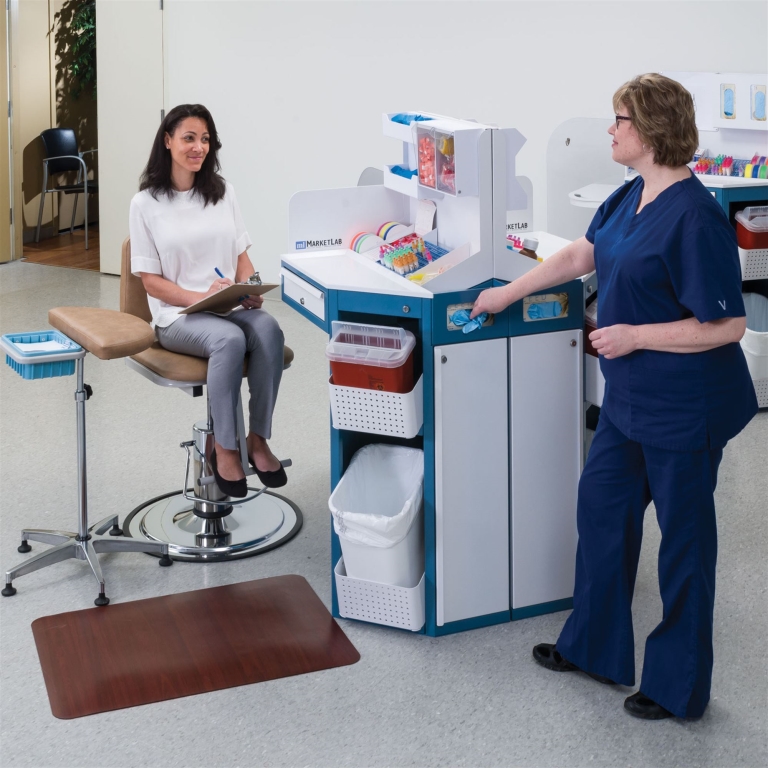
Essential Skills Every EKG/Phlebotomy Technician Must Master for Career Success
In the fast-paced world of healthcare, EKG and phlebotomy technicians play a crucial role in patient care. By understanding and mastering the essential skills for these positions, professionals can significantly enhance their career prospects and ensure they provide the highest level of patient care. This article delves into the core competencies required for success in these critical roles.
What is an EKG/Phlebotomy Technician?
An EKG (electrocardiogram) technician is responsible for performing tests that measure the electrical activity of the heart, while a phlebotomy technician specializes in drawing blood for tests, transfusions, or donations. Both positions require a blend of technical skills, medical knowledge, and interpersonal abilities to effectively assist patients and collaborate with healthcare teams.
Essential Skills for EKG Technicians
1. Technical Proficiency
Understanding EKG machine operations and accurately interpreting results is paramount. Key technical skills include:
- Knowledge of the anatomy and physiology of the heart.
- Ability to set up and calibrate EKG machines correctly.
- Expertise in recognizing normal and abnormal EKG readings.
- Experience with different EKG machines and software.
2. Attention to Detail
An EKG technician must be able to spot subtle differences in readings that could indicate serious health conditions. This requires:
- Careful monitoring during the test process.
- Accurate documentation of results.
- Understanding potential artifacts or errors in readings.
3. Patient Interaction Skills
Effective communication with patients is essential. EKG technicians should:
- Be able to explain the procedure clearly to reduce patient anxiety.
- Display empathy and patience.
- Respect patient confidentiality and adhere to healthcare regulations.
Essential Skills for Phlebotomy Technicians
1. Venipuncture Techniques
As a phlebotomy technician, mastering venipuncture is crucial. Skills required include:
- Identifying suitable veins for blood draws.
- Using different techniques, such as butterfly and syringe draws.
- Managing different patient demographics, including children and older adults.
2. Infection Control Practices
Phlebotomy technicians must adhere to strict infection control protocols, including:
- Understanding and utilizing personal protective equipment (PPE).
- Learning proper sterilization and disposal methods.
- Implementing safety protocols to prevent needle injuries.
3. Customer Service Orientation
Strong customer service skills enhance the patient experience. Phlebotomy technicians should:
- Communicate clearly and effectively with patients.
- Handle patient concerns with sensitivity and care.
- Maintain a positive attitude, even during challenging situations.
Benefits of Mastering EKG and Phlebotomy Skills
Mastering these essential skills not only enhances your job performance but also opens the door to various career benefits:
- Increased employability in a competitive field.
- Opportunities for certification and advancement.
- Enhanced job satisfaction through effective patient care.
Practical Tips for Skill Development
Here are some practical tips for developing these essential skills:
- Enroll in accredited training programs: Professional education is vital for acquiring both theoretical knowledge and hands-on experience.
- Participate in workshops: Workshops often provide opportunities to practice technical skills under professional supervision.
- Seek mentorship: Learning from experienced technicians can provide invaluable insights and tips to refine your techniques.
Case Studies: Real-Life Experiences
To illustrate the importance of these skills, consider the following case studies:
| Case | Skill Highlighted | Outcome |
|---|---|---|
| Sudden Cardiac Arrest | Technical Proficiency | Quick identification of irregular EKG led to immediate intervention, saving a life. |
| Child’s Blood Draw | Patient Interaction Skills | Effective communication reduced the child’s anxiety, resulting in a successful draw. |
| Infection Control Breach | Infection Control Practices | Failure to follow protocols resulted in an infection outbreak, emphasizing the importance of adherence. |
Conclusion
To excel as an EKG or phlebotomy technician, mastering essential skills is foundational for career success. From technical expertise to patient interaction and infection control, each skill plays a critical role in ensuring quality care and enhancing professional opportunities. By continuously developing these competencies, you not only improve your job performance but also contribute positively to the healthcare system. Start investing in your skill set today to secure a thriving career in the medical field!