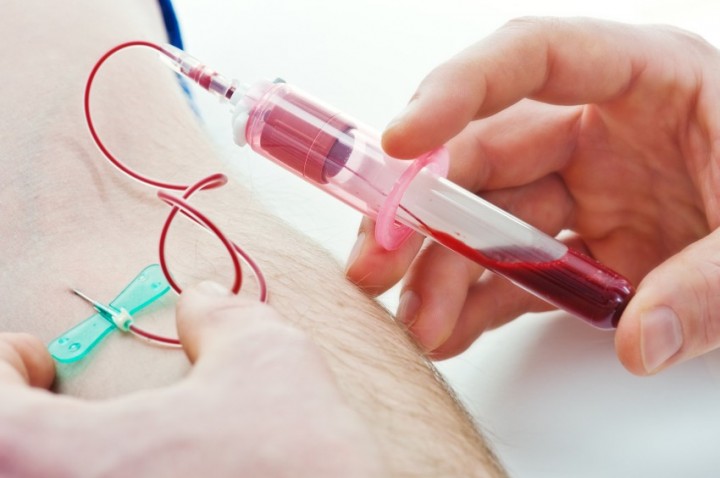
Essential Requirements to Become a Professional Phlebotomist: Complete Guide for Aspiring Medical Personnel
Are you considering a career in healthcare? If so, becoming a professional phlebotomist can be a rewarding and in-demand path. Phlebotomists play a crucial role in medical laboratories,clinics,and hospitals by collecting blood samples that are vital for diagnosing and treating illnesses. In this thorough guide, we’ll explore the essential requirements to become a professional phlebotomist, including necessary education, certifications, skills, and practical tips to kickstart your career in this dynamic field.
Introduction
As the backbone of diagnostic testing, phlebotomists must combine technical skills with compassionate patient care. Whether you’re a recent graduate or transitioning from another healthcare role, understanding the key prerequisites is essential for success. This guide will walk you through the necessary qualifications, certifications, personal attributes, and real-world considerations to help you become a competent and certified phlebotomist. Let’s start by understanding what this profession entails and why it’s an excellent choice for aspiring medical personnel.
Educational Requirements for Aspiring Phlebotomists
While the educational pathway to becoming a phlebotomist is relatively straightforward, certain educational prerequisites are essential for entry into the profession. Here’s what you need to know:
Basic Education
- High School Diploma or Equivalent: Most employers require at least a high school diploma or GED to enroll in phlebotomy training programs.
- Relevant Science Courses (Optional but Recommended): Courses in biology, anatomy, and physiology can provide a solid foundation for your training.
Post-Secondary Training
Many community colleges, vocational schools, and healthcare training centers offer dedicated phlebotomy programs that combine classroom lectures with practical labs. The coursework typically covers:
- Venipuncture techniques
- Proper specimen handling
- Patient interaction skills
- Safety and infection control
- Basic anatomy and physiology
Completing a recognized phlebotomy training program is often a prerequisite for certification eligibility and employment.
Certification & Licensing: Key Steps Towards Professionalism
Certification substantially enhances a phlebotomist’s credibility and employability. While licensing requirements vary by state or country, obtaining certification is strongly recommended. here’s what you need to know:
Popular Certification Organizations
| Association | Certifications Offered | eligibility Requirements |
|---|---|---|
| american Society for clinical Pathology (ASCP) | Certified Phlebotomy Technician (CPT) | Completion of training program & hands-on experience |
| National healthcareer Association (NHA) | Certified Phlebotomy Technician (CPT) | High school diploma + training + exam |
| American Medical Certification Association (AMCA) | Certified Clinical Phlebotomy technician (CCPT) | Training + examination |
certification Process
- Complete an accredited phlebotomy training program.
- Apply for certification through recognized organizations.
- Pass the certification exam,which tests your knowledge of blood collection and safety protocols.
Licensing and State Requirements
Some states in the U.S. require licensed or registered phlebotomists. Be sure to check local regulations and requirements to ensure compliance.
Essential Skills and Personal Attributes
Beyond formal education and certifications, certain skills and traits are vital for success as a professional phlebotomist:
Technical Skills
- Proficiency in venipuncture and capillary puncture techniques
- Knowing how to handle and label specimens properly
- Understanding infection control procedures
interpersonal Skills
- Effective communication with patients
- Patience and empathy
- Ability to handle patient anxiety and fears
Other Personal Attributes
- Attention to detail
- Steady hand and good coordination
- Physical stamina and dexterity
- Adherence to safety standards and regulations
Practical Tips and Benefits of a Career in Phlebotomy
Practical Tips for Aspiring Phlebotomists
- Gain hands-on experience through internships or volunteering.
- Practice your venipuncture skills on training mannequins before working with patients.
- Continuously update your knowledge with new techniques and safety practices.
- Develop excellent communication skills to ease patient anxiety.
- Network with healthcare professionals to learn about job opportunities.
Benefits of Becoming a Professional Phlebotomist
- High Demand: The need for blood collection professionals is growing steadily.
- Entry-Level Opportunities: Quick entry into the healthcare field with minimal prerequisites.
- Flexible Working Hours: Opportunities for shifts, part-time, or full-time work.
- Potential for Career Advancement: Progression into supervisory roles, laboratory technologist, or healthcare management.
Case Study: A Day in the Life of a certified Phlebotomist
Meet Sarah, a certified phlebotomist working in a busy hospital. Her day begins early, preparing supplies and reviewing patient schedules. Throughout her shift, Sarah expertly performs blood draws, comforts anxious patients, and ensures specimen accuracy. Her attention to detail and compassionate approach help her deliver efficient,high-quality patient care. sarah’s certification and skills enable her to handle various challenging situations, highlighting the importance of proper training and personal qualities in this profession.
First-Hand Experience: Tips from a Practicing Phlebotomist
“Practice makes perfect. Spend time mastering your venipuncture technique, and always prioritize patient comfort and safety. Remember, a steady hand and a kind word can make all the difference.” – alex, Certified Phlebotomist
Conclusion
becoming a professional phlebotomist is a promising career choice for those interested in healthcare and patient interaction.It requires a combination of education, certification, technical skills, and personal attributes. By fulfilling these essential requirements, aspiring medical personnel can enjoy a rewarding career with numerous opportunities for growth and specialization. Whether you’re just starting or looking to advance your healthcare career, understanding the key prerequisites to becoming a skilled phlebotomist is your first step toward making a meaningful impact in patient care.