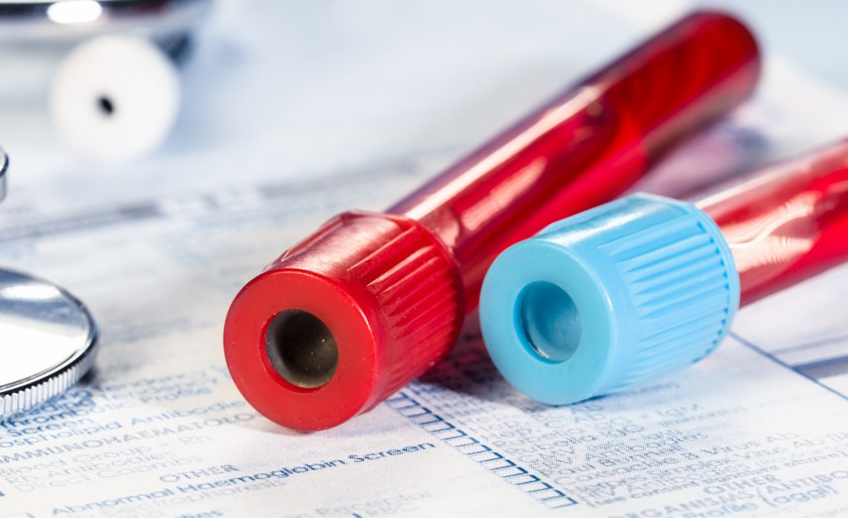
Essential Requirements to Become a Phlebotomist: Your Complete Guide to Career Credentials
Embarking on a career as a phlebotomist is an excellent choice for those passionate about healthcare, patient interaction, and laboratory sciences. This guide provides a comprehensive overview of the essential requirements,certifications,skills,and practical tips to help you achieve your goal of becoming a qualified phlebotomist.Whether you’re just starting or seeking to enhance your credentials, this article will serve as your roadmap to success.
What Is a Phlebotomist?
A phlebotomist is a trained healthcare professional specializing in drawing blood samples from patients for medical testing, transfusions, donations, or research purposes. They play a vital role in the healthcare system by ensuring blood collection is performed safely,efficiently,and with compassion.
Why become a Phlebotomist?
Choosing a career in phlebotomy offers numerous benefits:
- High demand for qualified professionals in hospitals, clinics, and laboratories
- competitive salaries with growth opportunities
- Flexible work environments including part-time, full-time, and travel positions
- Minimal educational requirements compared to other healthcare careers
- Opportunities to make a positive impact on patients’ lives
Basic Educational Requirements to become a Phlebotomist
One of the most appealing aspects of a phlebotomy career is the relatively accessible educational pathway. Most programs require a high school diploma or GED as a foundational qualification.
High School Diploma or Equivalent
- Essential for entry into phlebotomy training programs
- Provides fundamental skills needed for healthcare careers
Step-by-Step pathway to Becoming a Certified Phlebotomist
follow these steps to meet all essential requirements and set yourself up for success:
- Obtain a high school diploma or GED
- enroll in a recognized phlebotomy training program
- Complete the required coursework and practical training
- Pass the certification exam (if opting for certification)
- Secure employment as a phlebotomist
Phlebotomy Training programs: What to Expect
Training programs are vital for gaining the technical skills and knowledge necessary for safe blood collection. These programs vary in length, content, and certification options.
Course Content Typically Includes:
- Medical terminology and anatomy
- Venipuncture techniques
- Patient interaction and dialog skills
- Infection control and safety protocols
- Legal and ethical considerations
Duration and Delivery methods
| Program Type | Duration | Delivery Method |
|---|---|---|
| Certificated Course | 4-8 weeks | In-person / Online |
| Apprenticeship | Varies | On-the-job |
| Associate Degree | 2 years | Institutional |
Mandatory Certifications and Licenses
While certification requirements vary by state and employer, obtaining a professional credential enhances your job prospects and credibility.
Certified Phlebotomy Technician (CPT)
The most widely recognized certification for phlebotomists. To earn this credential, candidates typically need:
- Completion of a state-approved phlebotomy training program
- Passing a certification exam administered by organizations like the National Healthcareer association (NHA), American Society for clinical Pathology (ASCP), or other accredited agencies
State Licenses or Permits
Some states, such as California and Louisiana, require a license or permit to practice phlebotomy legally. Always check local regulations before starting your training.
Key Skills and Qualities of a Accomplished Phlebotomist
Technical skills are critical, but interpersonal qualities often determine long-term success in the field:
- Attention to Detail – Ensuring accurate blood collection
- Empathy and Compassion – Comforting nervous patients
- Manual Dexterity – Precise venipuncture technique
- Communication Skills – Clearly explaining procedures
- Stress Management – handling challenging or emergency situations calmly
Benefits and Practical Tips for Aspiring Phlebotomists
Building a successful career in phlebotomy involves more than just meeting requirements. Here are practical tips:
- Gain Hands-on Experience - Internships and volunteering can boost your confidence
- Stay Updated on Industry Trends – Continuing education enhances credentials
- Develop Strong Patient relations – Compassion and professionalism foster trust
- Prepare for Certification Exams – Use practice tests and study guides
- Network with Professionals - Join professional associations like the American Society for Clinical Pathology
Case Study: From Student to Certified phlebotomist
Jane started her journey with a high school diploma and enrolled in a 6-week certification course. After passing her certification exam, she gained practical experience through an internship. Today, Jane works at a busy hospital, ensuring patients receive compassionate care while confidently performing blood draws. Her dedication and certification have propelled her into a rewarding healthcare career.
Conclusion
Becoming a professional phlebotomist is an achievable and rewarding goal with clearly defined requirements. From obtaining a high school diploma to completing specialized training and earning certification, each step builds your foundation for a successful healthcare career. remember, the key to thriving as a phlebotomist lies in continuous learning, compassionate patient care, and honing your technical skills. Whether you’re just starting or looking to advance, understanding the essential requirements is your first step toward making a positive impact in the medical field.