Essential Phlebotomist Education Requirements: Your Guide to Starting a Healthcare Career
Choosing a career in healthcare can be incredibly rewarding, and becoming a phlebotomist is an excellent entry point for many aspiring medical professionals. If you’re interested in drawing blood, working closely with patients, and contributing to vital diagnostic processes, understanding the phlebotomist education requirements is a crucial first step. This thorough guide provides all the essential data you need to start your journey toward a fulfilling healthcare career as a professional phlebotomist.
What Is a Phlebotomist?
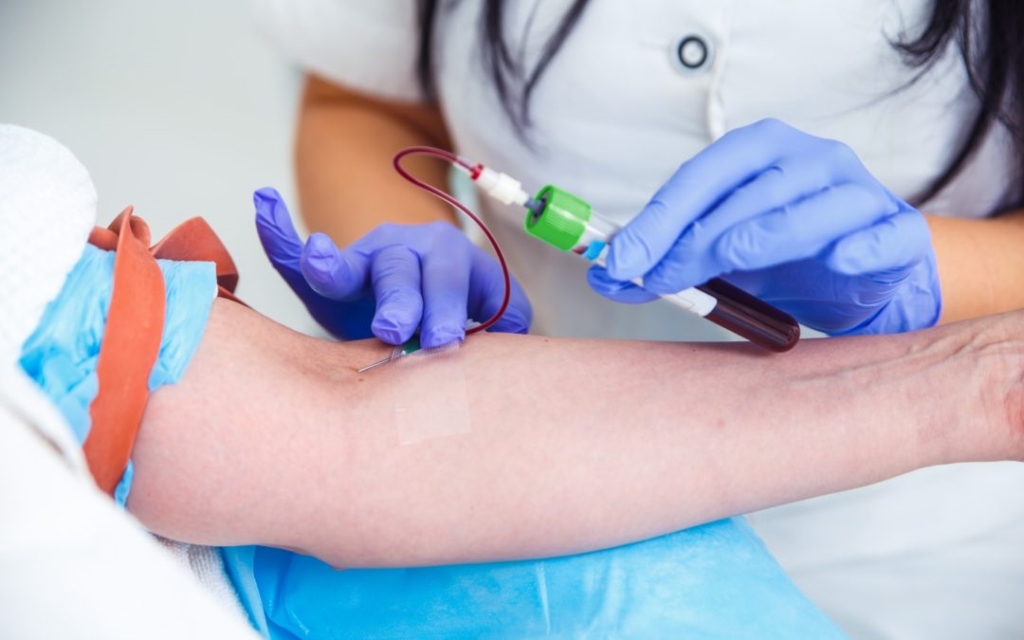
A phlebotomist is a healthcare professional trained to draw blood samples from patients for laboratory testing, blood donations, or transfusions. They play a vital role in medical diagnostics and patient care,working in hospitals,clinics,blood banks,and diagnostic laboratories. The role requires a blend of technical skills and interpersonal abilities, making it a perfect career choice for those interested in healthcare and patient interaction.
Why Pursue a Career as a Phlebotomist?
- High demand: The healthcare industry consistently seeks qualified phlebotomists due to ongoing laboratory testing needs.
- Short training duration: Most programs can be completed in under a year, allowing you to start working quickly.
- Good earning potential: Entry-level salaries are competitive, with room for growth and specialization.
- Pathway to healthcare careers: Many phlebotomists transition into nursing, laboratory techs, or other medical fields.
Essential Education Requirements to Become a Phlebotomist
1. Minimum Education Level
most employers require aspiring phlebotomists to have at least a high school diploma or GED. This basic educational qualification forms the foundation for subsequent training and certification programs.
2. Completing a Phlebotomy Training Program
Official phlebotomy training programs are essential and often mandated by state or industry standards. These programs cover theoretical knowledge and practical skills, preparing students for real-world scenarios.
- Accredited by agencies like the National Accrediting Agency for Clinical Laboratory Sciences (NAACLS) or similar bodies.
- Programs can be found at community colleges, vocational schools, or specialized training centers.
- Duration ranges from a few weeks to several months, depending on the curriculum.
3. Practical Skills Development
Hands-on training is critical for mastering blood collection techniques, patient interaction, and safety protocols. During training, students typically complete:
- Venipuncture techniques
- Capillary punctures
- Proper specimen handling and labeling
- infection control practices
4. Certification Requirements
While certification is not legally mandatory in all states, it is highly recommended and often required by employers to demonstrate competency. Certification improves job prospects and job security.
| Certification Body | Exam Name | Eligibility |
|---|---|---|
| National Phlebotomy Association (NPA) | Certified Phlebotomy Technician (CPT) | Completed a training program and supervised practical training |
| American Society for Clinical Pathology (ASCP) | registered Phlebotomy Technician (RPT) | meeting specific education and training criteria |
| National Healthcareer association (NHA) | Certified Phlebotomy Technician (CPT) | High school diploma + training |
Practical Tips for Aspiring Phlebotomists
- Research local requirements: Some states have specific licensing or certification mandates.
- Choose an accredited program: Ensures quality training and better employment prospects.
- Gain hands-on experience: Look for programs offering clinical externships or lab practice.
- Prepare for certification exams: Review study guides, practice tests, and join prep classes if available.
- Develop soft skills: Empathy, dialogue, and professionalism are key components of patient care.
benefits of Becoming Certified
Certification enhances credibility, broadens employment opportunities, and often leads to higher salaries. Many healthcare facilities prefer or require certified phlebotomists, making this credential a valuable asset in your career development.
Case Studies: Real-World Insights
Case Study 1: From Training to Employment
Emma completed an accredited phlebotomy program in 8 weeks and obtained her CPT certification.She secured a position at a local hospital within a month and appreciated the hands-on training that eased her transition into real-world settings.
Case Study 2: Advancing Your Career
David started as a certified phlebotomist after completing his education. After gaining experience,he pursued additional certifications in specimen processing,leading to a supervisory role in the outpatient lab.
Conclusion
Embarking on a career as a phlebotomist requires meeting specific education requirements-from completing high school to enrolling in accredited training programs and obtaining necessary certifications. While the path involves dedication and practical training, it offers a rewarding opportunity to serve patients and contribute meaningfully to healthcare. Whether you’re looking for a swift entry into the healthcare industry or a stepping stone to other medical professions, becoming a certified phlebotomist is an excellent choice. Start today by researching accredited programs in your area and preparing for a fulfilling career in healthcare!