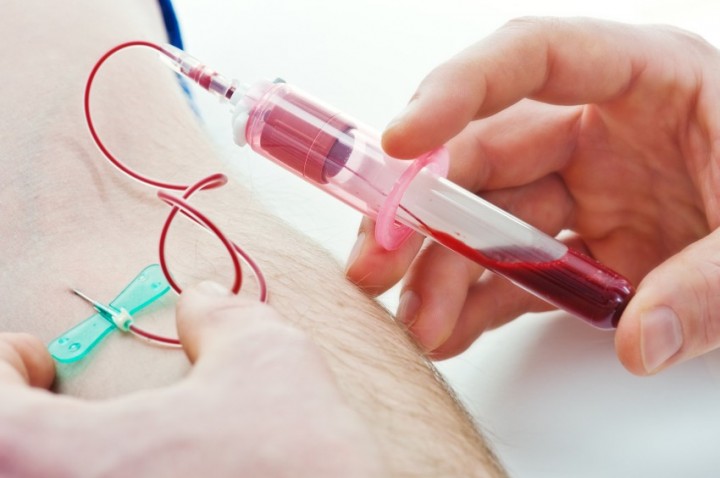
Enhance Your Career: Essential Continuing Education Tips for Phlebotomists
As a dedicated phlebotomist, ongoing education plays a crucial role in maintaining competence, advancing your career, and delivering exceptional patient care. The healthcare industry is constantly evolving with new technologies, safety standards, and procedures. Staying updated through continuing education not only sharpens your skills but also opens doors to new opportunities. In this comprehensive guide, we’ll explore effective continuing education tips for phlebotomists that will help you stay ahead in your profession.
Why Continuing Education is Essential for Phlebotomists
Continuing education provides multiple benefits for phlebotomists,including:
- Keeping up with industry standards and new practices
- Enhancing patient safety and care quality
- Meeting certification and licensing requirements
- Expanding career opportunities and specialization
- Building confidence and professional credibility
In today’s competitive healthcare environment,ongoing learning is not just a choice but a necessity. Employers value certified professionals who demonstrate commitment to their craft and are proactive in updating their skills.
Effective Continuing Education Tips for Phlebotomists
1. Identify Relevant Courses and Certifications
Search for accredited training programs that align with your career goals. Options include:
- Phlebotomy certification renewal courses
- Advanced specimen collection techniques
- Specializations like pediatric or geriatric phlebotomy
- Blood banking and transfusion services
- Infection control and safety protocols
Ensure that the courses are recognized by organizations such as the American Society for Clinical Pathology (ASCP) or the National Phlebotomy Association (NPA).
2. Leverage Online Learning Platforms
Flexible online courses allow you to learn at your own pace from anywhere. Popular platforms offering healthcare-related continuing education include:
- Coursera
- Udemy
- CEUfast
- MedCerts
Online learning makes it easier to balance work, study, and personal commitments while remaining current in your field.
3. Attend Workshops and Conferences
Participating in industry workshops and conferences provides hands-on experience, networking opportunities, and exposure to the latest technology and procedures. Consider attending major events like:
- National Phlebotomy Association Annual Conference
- Laboratory and healthcare technology expos
- Regional continuing education seminars
4. Stay Informed with Industry Publications and Journals
reading reputable journals and newsletters helps you stay updated on emerging trends, research, and policy changes. Key publications include:
- American Journal of Clinical Pathology
- Lab Manager Magazine
- Phlebotomy Journal
5. Connect with Professional Networks
Networking with peers through online forums, social media groups, or local associations fosters knowledge exchange and mentorship. Join platforms like LinkedIn groups dedicated to laboratory professionals and phlebotomists.
Practical Tips for Implementing Continuing Education
- Create a Learning Schedule: Dedicate specific times weekly or monthly for courses and reading.
- Set Clear Goals: Define what skills or certifications you aim to achieve within specific timeframes.
- Maintain a Professional Portfolio: Keep records of completed courses, certifications, and skills acquired.
- Allocate Budget for Education: Invest in quality courses and attend paid conferences that add value to your career.
- Seek Employer Support: Many healthcare employers offer tuition reimbursement or support for continuing education.
Benefits and Practical Tips for Career Advancement
Continuing education directly contributes to career growth by enabling phlebotomists to qualify for advanced roles such as lead phlebotomist, supervisor, or specialty technician. It also paves the way for further specialization, increasing earning potential and job satisfaction.
case Study: Success Through Ongoing Education
| Phlebotomist | Training Focus | Outcome |
|---|---|---|
| Jane D. | Geriatric Phlebotomy Certification | Promoted to Senior Phlebotomist, increased wages by 15% |
| Mike S. | Blood Banking Specialization | Secured position in hospital blood bank, enhanced patient care skills |
Frist-Hand Experience: Learning on the Job
Practical, hands-on experience remains a vital component of continuing education. Volunteer for new procedures, shadow experienced colleagues, and seek feedback regularly. Combining real-world practice with formal learning ensures mastery of skills and boosts confidence in challenging situations.
Conclusion
For phlebotomists, enhancing your career through continuing education is a strategic investment that pays off in numerous ways. Whether through online courses,hands-on workshops,or industry certifications,staying current with industry standards and expanding your skill set not only improves patient outcomes but also opens doors to new opportunities. By setting clear goals, leveraging available resources, and continuously striving for growth, you can elevate your professional status and achieve long-term success in the dynamic world of healthcare.
Remember, your commitment to ongoing learning showcases your dedication to excellence-making you a valued healthcare professional now and in the future.