Become a Certified Phlebotomist: Essential Skills, Careers & How to Get Started
Embarking on a career as a certified phlebotomist is an excellent choice for those interested in healthcare, patient care, and laboratory services. Phlebotomists play a vital role in collecting blood samples critical for diagnostic testing, which makes their skills in high demand across hospitals, clinics, laboratories, and blood donation centers. If you’re curious about how to become a certified phlebotomist, this complete guide will walk you through the essential skills required, potential career paths, and practical steps to start your journey today.
What Is a phlebotomist?
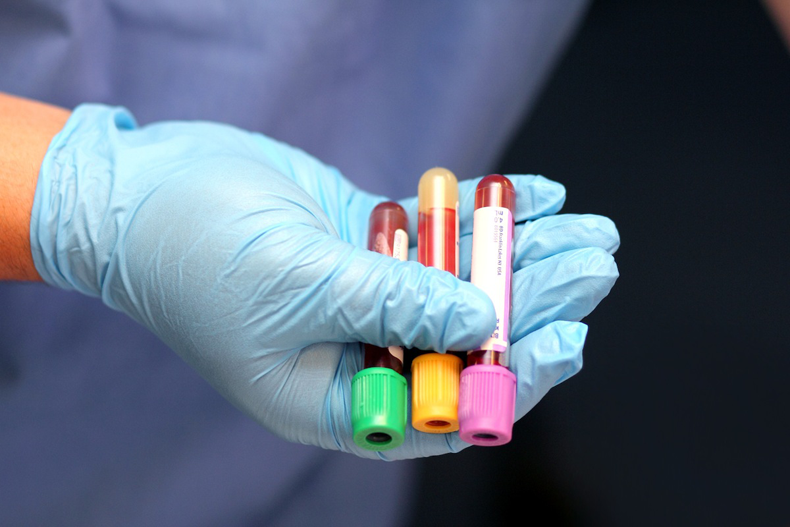
A phlebotomist is a healthcare professional responsible for drawing blood samples from patients or donors for testing, transfusions, research, or donations. Their role is crucial in the diagnostic process, ensuring safe and accurate blood collection while providing compassionate patient care. Phlebotomists ofen work in hospitals, outpatient clinics, laboratories, and blood banks.
Why Become a Certified Phlebotomist?
- High demand for healthcare workers with specialization in blood collection.
- Competitive salaries with room for growth.
- Fulfilling work helping patients and supporting medical diagnoses.
- Entry-level requirement with minimal educational barriers.
- Flexibility in work schedules and diverse career options.
Essential Skills for Aspiring Phlebotomists
1.**Technical Skills**
- Proper blood draw techniques
- Knowledge of venipuncture procedures
- Understanding of blood collection equipment and safety protocols
2. **Interpersonal Skills**
- Excellent communication to explain procedures to patients
- Empathy and patience, especially with fearful or anxious patients
- Ability to work with diverse populations
3. **Attention to Detail**
- accurate labeling of specimens
- Precise data recording and record keeping
4. **Physical Dexterity and Stamina**
- Steady hand for needle insertion
- Ability to stand for prolonged periods
5. **Knowledge of Safety and Hygiene**
- Adherence to safety protocols to prevent contamination
- Proper disposal of needles and biohazard materials
How to Become a Certified Phlebotomist: Step-by-Step Guide
Getting started as a certified phlebotomist involves education, training, certification, and practical experience. Below are the key steps to guide your journey:
Step 1: Meet Basic Educational Requirements
- High school diploma or GED is typically required.
- Some programs may prefer or require background knowledge in biology or health sciences.
Step 2: Enroll in a Certified Phlebotomy Training Program
Look for accredited programs that offer comprehensive training on blood collection techniques, safety procedures, and patient interaction. Many community colleges, technical schools, and vocational programs offer phlebotomy courses.
Step 3: Complete Clinical Training
Hands-on practice under supervision is essential. ensure the program provides sufficient clinical hours to develop confidence and skill in blood collection.
step 4: Obtain certification
Most states and employers prefer or require certification. Notable certifying agencies include:
| Certification Agency | Requirements | Exam Details |
|---|---|---|
| American Society for Clinical Pathology (ASCP) | Completion of an approved program & 100 triumphant blood draws | Multiple-choice exam |
| National Phlebotomy Association (NPA) | Training & clinical hours | Written exam |
| American Medical Technologists (AMT) | Training & work experience | Computer-based exam |
Step 5: Continue Education & Maintain Certification
Renew certifications as required, stay updated with industry best practices, and consider specialization in areas like venipuncture or capillary blood collection.
Careers and Employment Opportunities
Certified phlebotomists can find employment across various healthcare settings, including:
- Hospitals
- Primary care clinics
- Laboratories and diagnostic centers
- Blood donation and blood banks
- Physician offices
Potential Salary and Job Outlook
The average annual salary for a phlebotomist ranges from $30,000 to $40,000, depending on experience, location, and employer.The Bureau of Labour Statistics projects a growth rate of about 10% for phlebotomists over the next decade, much faster than average for healthcare professionals.
Benefits and Practical Tips for Aspiring Phlebotomists
- Build strong patient relationships: Practice empathy and communication skills.
- Stay organized: Keep accurate records and label specimens meticulously.
- Prioritize safety: Always follow safety protocols to prevent needlestick injuries and contamination.
- Gain experience: Volunteer or shadow professionals to improve skills and confidence.
- Keep learning: Explore certifications in specialized areas to advance your career.
Case Study: From Novice to Certified Phlebotomist
maria’s Journey
Maria, a recent high school graduate, aspired to work in healthcare but lacked a college degree. She enrolled in a certified phlebotomy training program at her local technical school. After completing her clinical hours and passing the certification exam,she secured a role at a community hospital. with dedication and continuous learning, Maria now specializes in pediatric blood collection and has advanced her skills, increasing her earning potential and job satisfaction.
First-Hand Experience: What to Expect
As a new phlebotomist, you’ll encounter a variety of patients-some cooperative, others anxious or scared.Building rapport and maintaining professionalism are key. Expect to perform blood draws using different techniques (venipuncture, capillary).Over time, your confidence and efficiency will grow, making your work more rewarding and less stressful.
Conclusion
Becoming a certified phlebotomist is a rewarding pathway into healthcare, offering meaningful work and promising career prospects. By developing essential skills, gaining proper training and certification, and embracing ongoing education, you can make a positive impact on patients’ lives while building a fulfilling career. Whether you’re just starting or looking to advance your skills, the journey to becoming a certified phlebotomist is accessible and rewarding. Take the first step today and start your journey toward a healthcare profession with stability and purpose.