Discover the Essential Role of Hospital Phlebotomists: Careers, Skills, and Opportunities
In the vast and complex world of healthcare, countless professionals contribute to patient well-being and efficient medical operations. Among these vital roles, hospital phlebotomists hold a crucial position, often working behind the scenes but directly impacting diagnosis, treatment, and patient care. if you’re considering a healthcare career,understanding the meaning of hospital phlebotomists,their skills,and available opportunities can help you make an informed decision.
What Is a Hospital Phlebotomist?
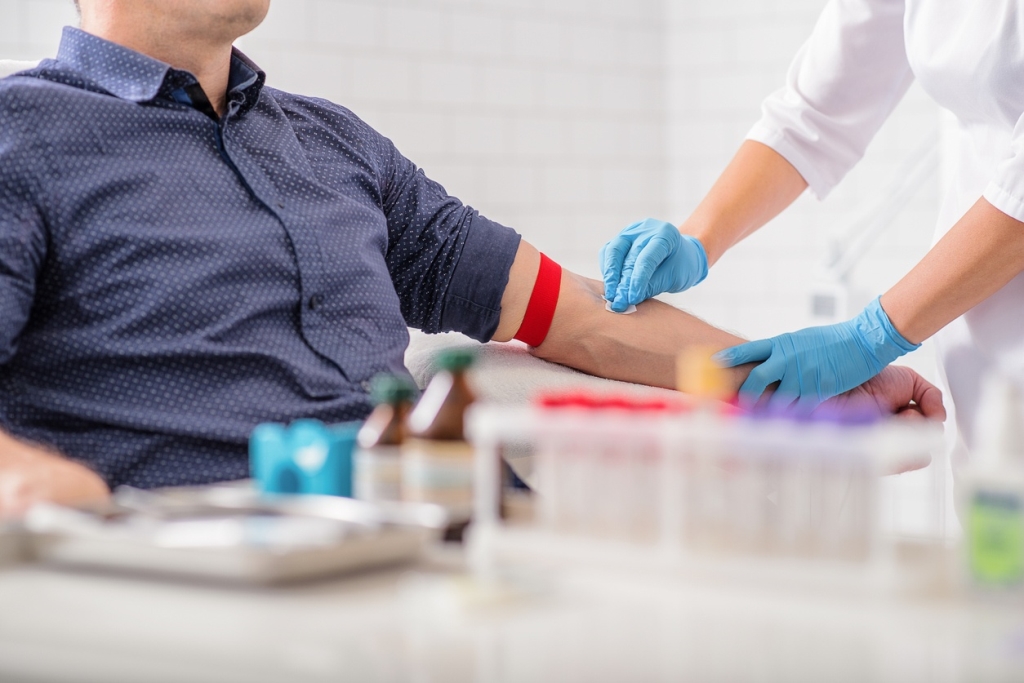
A hospital phlebotomist is a healthcare professional trained to draw blood samples from patients for testing, donation, or research purposes. These professionals play an essential role in the diagnostic process, as accurate blood sample collection is basic to identifying illnesses, monitoring health conditions, and guiding treatment plans.
The Critical Role of Hospital Phlebotomists in Healthcare
Hospital phlebotomists serve as frontline healthcare providers who ensure the timely and accurate collection of blood specimens. Their work supports several vital functions:
- Diagnostic Testing: Facilitating blood tests that help diagnose diseases such as infections, anemia, diabetes, and more.
- Monitoring Chronic Conditions: Collecting samples to monitor ongoing health issues.
- Blood Donation: Assisting in blood donation procedures critical for transfusions and emergency needs.
- Research Support: Providing essential samples for medical research and growth.
Careers in Phlebotomy: Pathways and Opportunities
The field of phlebotomy offers various career paths,from entry-level technician roles to specialized healthcare positions. Here’s a look at potential opportunities:
| Role | Typical Responsibilities | Required Certification |
|---|---|---|
| Hospital Phlebotomist | Drawing blood, patient interaction, record keeping | Certified Phlebotomy Technician (CPT) |
| Senior Phlebotomist | Training new staff, handling complex draws | Advanced certification recommended |
| Phlebotomy Supervisor | Managing teams, overseeing procedures | Leadership experience, certification preferred |
Essential Skills for Hospital Phlebotomists
Success in a phlebotomy career hinges on a combination of technical skills and interpersonal abilities. Vital skills include:
- Technical proficiency: Proper blood collection techniques, understanding of anatomy, and proper handling of samples.
- Attention to detail: Ensuring correct sample labeling and documentation.
- Patient communication: Comforting anxious patients, explaining procedures clearly.
- Time management: Efficiently managing multiple patients and specimens.
- Stamina and Dexterity: Ability to work long hours on your feet and perform precise needle insertions.
- Compliance and safety awareness: Adhering to health and safety regulations to avoid cross-contamination and injuries.
Practical Tips for Aspiring Hospital Phlebotomists
If you’re interested in pursuing a career in hospital phlebotomy, here are some practical steps to get started:
- Obtain certification: enroll in accredited phlebotomy training programs to earn a Certified Phlebotomy Technician (CPT) credential.
- Gain clinical experience: Complete an externship or practicum to develop hands-on skills.
- Build interpersonal skills: Practice communicating effectively and compassionately with diverse patient groups.
- Stay updated: Keep abreast of new techniques and regulations in the medical field.
- Network: Connect with healthcare professionals and join relevant associations.
Benefits of a Career in Hospital Phlebotomy
Choosing a career as a hospital phlebotomist offers numerous advantages:
- Job stability and demand: Continuous need across healthcare settings ensures strong employment prospects.
- Competitive salary: Entry-level positions provide a solid income with opportunities for advancement.
- Skill development: gaining valuable medical and interpersonal skills applicable in various healthcare roles.
- Rewarding work: Contributing directly to patient health and the medical process.
- adaptability: Opportunities for part-time, full-time, and on-call roles.
Case studies: Real-Life Experiences of Hospital phlebotomists
understanding the real-world impact of hospital phlebotomists can inspire aspiring professionals. here are brief summaries of their experiences:
case Study 1: From Student to Professional
Jane started her journey as a certified phlebotomy technician after completing a training program. Working in a busy hospital, she honed her skills through hands-on experience, gradually taking on more responsibilities. today, she mentors new staff and enjoys a stable, rewarding career.
Case Study 2: Overcoming Challenges
Michael faced difficulties with anxious patients and arduous veins initially.through perseverance and additional training, he developed excellent patient rapport and became a trusted member of his hospital team. his story highlights the importance of patience and ongoing education.
First-Hand Experience: A day in the Life of a Hospital Phlebotomist
Participating in a clinical shadowing program,many aspiring phlebotomists observe that their day involves preparing equipment,performing venipunctures,interacting empathetically with patients,and documenting procedures accurately. The role requires speedy thinking, compassion, and technical precision-qualities that contribute to a successful and fulfilling career.
Conclusion
Hospital phlebotomists are indispensable healthcare professionals whose work ensures accurate diagnosis, effective treatment, and vital blood supply management.Their combination of technical skills and compassionate patient care makes them integral to medical teams across hospitals worldwide. Whether you’re starting your healthcare journey or seeking a stable, rewarding career, exploring the field of phlebotomy can open doors to numerous opportunities. With proper training, dedication, and a passion for helping others, you can join this essential profession and make a tangible difference in patient lives every day.