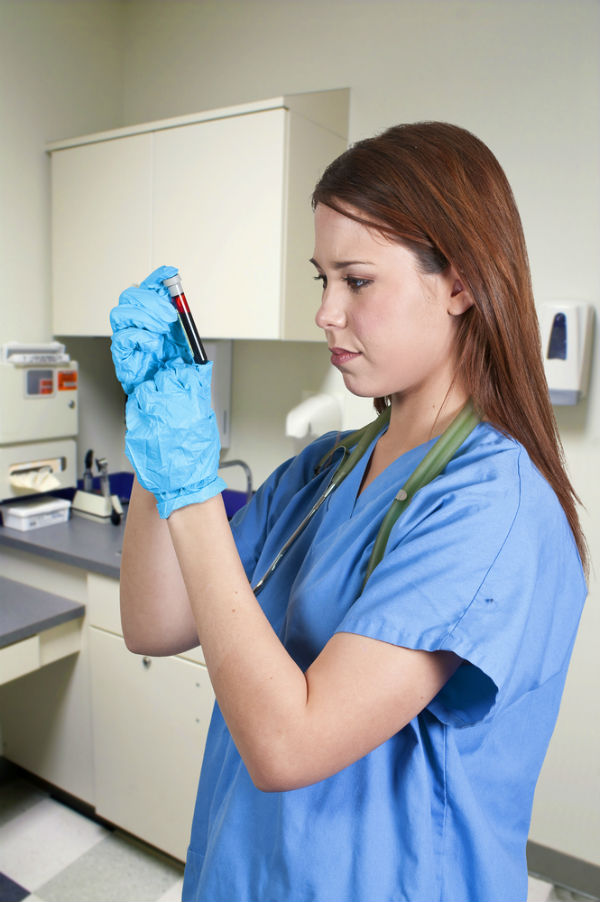
**Title:** Demystifying the Role of a Phlebotomist Technician: What You Need to Know
**Introduction:**
Phlebotomist technicians play a crucial role in the healthcare industry by drawing blood for tests, transfusions, research, or donations. Despite their importance, many people are unfamiliar with the duties and responsibilities of a phlebotomist technician. In this article, we will demystify the role of a phlebotomist technician and provide valuable insights into what it takes to pursue a career in this field.
**What is a Phlebotomist Technician?**
A phlebotomist technician is a healthcare professional trained to draw blood from patients for various purposes. They work in hospitals, clinics, laboratories, blood banks, and other healthcare settings. Phlebotomist technicians play a critical role in the healthcare system by ensuring that blood samples are collected accurately and safely for diagnostic testing.
**Responsibilities of a Phlebotomist Technician:**
1. Drawing blood from patients using a variety of techniques.
2. Labeling and tracking blood samples to ensure accuracy.
3. Following safety protocols to prevent infections and injuries.
4. Communicating effectively with patients to alleviate fears and ensure cooperation.
5. Maintaining cleanliness and sanitation in the work area.
6. Properly disposing of hazardous materials.
**Qualifications and Training:**
Becoming a phlebotomist technician typically requires completing a phlebotomy training program and obtaining certification. These programs can range from a few months to a year and cover topics such as anatomy, physiology, blood collection techniques, and safety procedures. Some employers may also require a high school diploma or equivalent.
**Benefits of Being a Phlebotomist Technician:**
1. Job stability and growth opportunities in the healthcare industry.
2. Opportunities to work in a variety of healthcare settings.
3. Fulfilling work that directly impacts patient care.
4. Competitive salary and benefits.
**Practical Tips for Aspiring Phlebotomist Technicians:**
1. Develop strong communication skills to interact effectively with patients.
2. Practice phlebotomy techniques regularly to build confidence and proficiency.
3. Stay updated on the latest trends and developments in phlebotomy.
4. Pursue continuing education and certification to advance your career.
**Conclusion:**
Phlebotomist technicians play a vital role in the healthcare system by ensuring accurate and safe blood collection. With the right training and qualifications, you can embark on a rewarding career as a phlebotomist technician. By demystifying the role of a phlebotomist technician, we hope to provide valuable insights into this important healthcare profession.