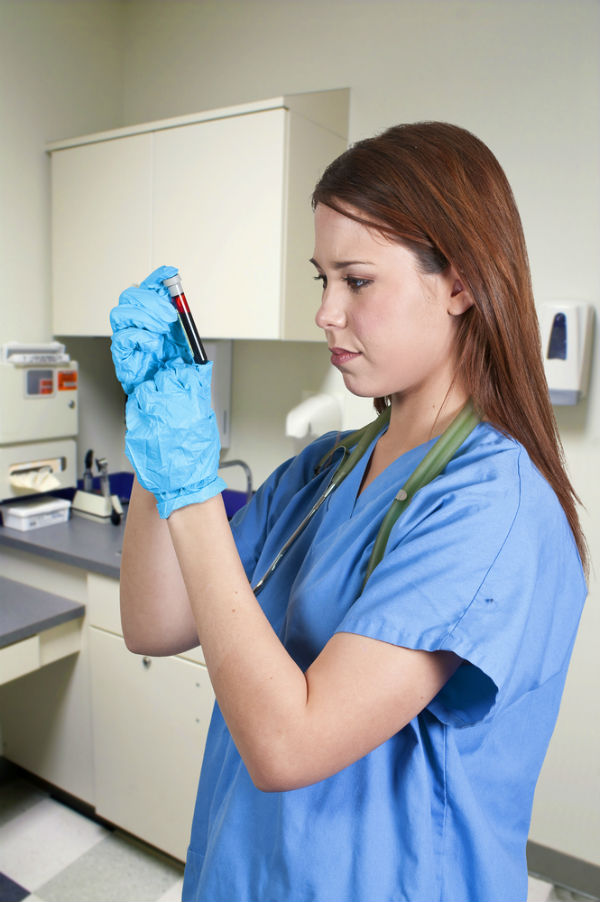
Understanding the Phlebotomy Arm: Essential Tips for Effective Blood Draws
Phlebotomy is a vital skill in the medical field, playing a key role in diagnostics and treatment. The phlebotomy arm, specifically the veins within it, is where the action happens. Understanding this anatomy and the techniques involved in blood draws can lead to more effective and less stressful experiences for both patients and healthcare providers. In this comprehensive guide, we will explore the essential elements of phlebotomy, covering everything from anatomy to techniques and tips for successful blood draws.
What is Phlebotomy?
Phlebotomy is the process of making an incision in a vein with a needle to draw blood. This is commonly performed for tests, transfusions, research, or donations. Skills in phlebotomy are crucial for technicians, nurses, and medical staff. A successful blood draw requires knowledge of the anatomy of the arm, especially the veins.
The Anatomy of the Phlebotomy Arm
The primary veins used for blood draws in the arm include:
- Median Cubital Vein: Most commonly used for venipuncture; located in the crease of the elbow.
- Cephalic Vein: Situated on the lateral side of the arm, it’s often visible and easier to palpate.
- Basilic Vein: Located on the inner side of the arm, it’s generally larger but closer to nerves and arteries.
Understanding the locations and characteristics of these veins can assist in planning effective blood draws.
Venipuncture Techniques
Effective venipuncture techniques are crucial in ensuring successful blood draws with minimal discomfort for the patient:
- Prepare the Equipment: Ensure you have all necessary materials, including gloves, tourniquet, needles, and vials, before starting.
- Assess the Vein: Palpate the arm to locate a suitable vein. The median cubital vein is usually the best choice.
- Apply a Tourniquet: This will engorge the veins for easier access. Place it a few inches above the intended puncture site.
- Clean the Site: Use an antiseptic wipe to clean the skin and reduce infection risks.
- Insert the Needle: At a 15-30 degree angle, insert the needle with a quick motion. Aim for the vein’s center for the best chances of success.
- Collect the Blood: Attach the collection tube while stabilizing the needle, ensuring no movement during blood draw.
- Remove the Needle: Carefully pull the needle out, and immediately apply pressure to the puncture site with gauze.
Benefits of Effective Phlebotomy
Mastering the art of phlebotomy brings numerous benefits:
- Increased Patient Comfort: Skilled blood draws cause less pain and anxiety.
- Reduced Blood Draw Failures: A better understanding of vein structures leads to higher success rates.
- Enhanced Diagnostic Accuracy: Quality samples are essential for accurate lab results.
Practical Tips for Successful Blood Draws
Getting the best outcomes from phlebotomy relies on several practical strategies:
| Tip | Description |
|---|---|
| Hydration | Encourage patients to drink water before their appointment to promote engorged veins. |
| Warm the Arm | Applying a warm pack can help dilate the veins for easier access. |
| Mind Your Angle | Different patients may require different angles of insertion depending on their anatomy. |
| Communicate | Keep open dialogue with the patient to ease nerves and provide reassurance. |
Case Studies: Real-World Applications of Phlebotomy Skills
Several case studies demonstrate how effective phlebotomy can lead to improved patient outcomes:
- Case Study 1: A pediatric clinic implemented training sessions focusing on venous anatomy, resulting in a 30% decrease in unsuccessful blood draws.
- Case Study 2: An internal medicine practice found that staff who engaged in regular practice sessions had higher patient satisfaction scores due to reduced discomfort.
First-Hand Experience: A Phlebotomist’s Perspective
Many phlebotomists emphasize the importance of empathy and patient interaction:
“Building a rapport with the patient makes all the difference. When they feel comfortable, everything else falls into place. I always take the time to explain the procedure and answer their questions.”
Conclusion
Mastering the nuances of the phlebotomy arm and effective blood draw techniques can greatly benefit healthcare professionals and enhance patient experiences. By understanding the anatomical features, improving skills through practical tips, and applying compassionate communication, phlebotomists can ensure successful blood draws and foster a trusting environment. With continued learning and experience, healthcare providers can stay at the forefront of phlebotomy, ensuring the highest standards of care for their patients.
As you embark on refining your phlebotomy techniques, remember: a steady hand, a compassionate heart, and a keen understanding of anatomy can significantly impact the quality of care you provide.