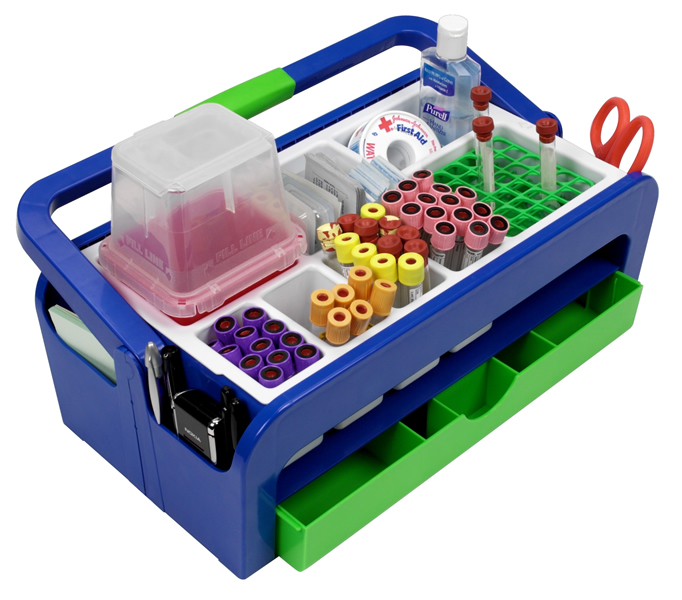
Complete Guide to Education and training for Aspiring Phlebotomists: How to Launch Your Healthcare Career
embarking on a career as a phlebotomist is an excellent choice for those passionate about healthcare and helping others. As a vital part of the medical team, phlebotomists specialize in drawing blood for tests, transfusions, donations, or research. if you’re wondering how to become a certified phlebotomist and what education and training pathways are involved,you’ve come to the right place. this comprehensive guide provides everything you need to no about launching your healthcare career as a phlebotomist.
Why Choose a Career in Phlebotomy?
Advantages of becoming a phlebotomist include:
- High job stability and demand in healthcare settings
- Relatively short training period with certification options
- opportunities to work in various environments like hospitals, clinics, and labs
- Good earning potential with experience
- Fulfilling role helping patients and healthcare providers
Educational Requirements for Aspiring Phlebotomists
High School Diploma or Equivalent
The first step in your journey toward becoming a professional phlebotomist is obtaining a high school diploma or GED. This basic education qualification is essential before enrolling in formal training programs.
Phlebotomy Training Programs
Various training options are available to aspiring phlebotomists, including certificate programs, diploma courses, and college-based training. These programs are designed to provide both theoretical knowledge and practical skills needed for accomplished blood collection and patient interaction.
Accreditation and Certification
While certification isn’t legally mandatory in all states, it considerably enhances job prospects and credibility. Accreditation from recognized bodies ensures your training meets industry standards, opening doors to employment in reputable healthcare institutions.
How to Choose the Right Phlebotomy Training Programme
- Accreditation: Ensure the program is accredited by organizations like the national Accrediting Agency for Clinical Laboratory Sciences (NAACLS).
- Curriculum: Look for comprehensive courses covering anatomy, blood collection techniques, safety protocols, and patient interaction.
- practical Training: Choose programs offering hands-on experience through practicums or externships.
- Cost & Duration: Consider tuition costs and program length; many certificate courses range from 4 to 16 weeks.
Typical Components of a Phlebotomy Training Program
| Module | Topics Covered |
|---|---|
| Anatomy & Physiology | Blood and circulatory system basics |
| Blood Collection Techniques | Venipuncture, capillary puncture, safety protocols |
| Safety & Infection Control | biohazard handling, PPE use, OSHA regulations |
| Patient Interaction & Communication | Patient prep, communication skills, dealing with difficult patients |
Certification and Licensing for Phlebotomists
Certification enhances your employability and demonstrates your competence.The most recognized certification agencies include:
- National Phlebotomy Association (NPA)
- American Society for Clinical Pathology (ASCP)
- National Healthcareer Association (NHA)
Steps to Certification
- Complete an accredited phlebotomy training program
- Gather necessary documentation (training hours, experience)
- Pass the certification exam
- maintain certification through ongoing education
Practical Tips for Aspiring Phlebotomists
- Gain hands-on experience: engage fully in clinical practicums and externships.
- Build strong communication skills: Patience and empathy are key when dealing with patients.
- Stay informed about state regulations: Licensing requirements vary by state; research your local laws.
- Prepare for the certification exam: Use practice tests and study guides to boost confidence.
Case Study: From Student to Certified Phlebotomist
Jane Doe, a recent graduate of a reputable phlebotomy training program, secured her certification through ASCP. She then completed a clinical externship at a local hospital, gaining real-world experience. today, Jane works in a busy outpatient lab, earning a competitive salary and enjoying job stability in the healthcare sector.
First-Hand Experience: Insights from a Professional Phlebotomist
Mark, a seasoned phlebotomist, emphasizes the importance of patience and continuing education. ”Being gentle and confident helps soothe nervous patients. Also, pursuing advanced certifications can lead to specialized roles like donor phlebotomy or forensic phlebotomy,” he shares.
Additional Resources and Next Steps
To start your journey as a phlebotomist, explore local community colleges, vocational schools, and online programs. Check if your state offers specific licensing or registration requirements.Remember, ongoing education and professional progress are vital for career advancement.
Conclusion
Becoming a certified phlebotomist is a rewarding pathway into the healthcare industry, combining essential skills, medical knowledge, and compassionate patient care. With the right education and training, you can secure a stable and fulfilling career. Follow this guide to understand the necessary steps, choose quality training programs, and earn your certification. Your journey into the healthcare field starts today-take the first step toward making a difference as a professional phlebotomist.