Exploring Phlebotomy Jobs in St. Louis, MO: Your Ultimate Guide to Careers in Blood Collection
Introduction
Phlebotomy is an essential healthcare profession focused on the collection of blood for donation, testing, or medical procedures. As healthcare continues to evolve, the demand for skilled phlebotomists is on the rise. If you’re based in St. Louis, MO, and interested in starting a rewarding career in blood collection, you’re in the right place! This comprehensive guide covers everything you need to know about phlebotomy jobs in St. Louis, from job opportunities and qualifications to salary expectations and practical tips.
What is Phlebotomy?
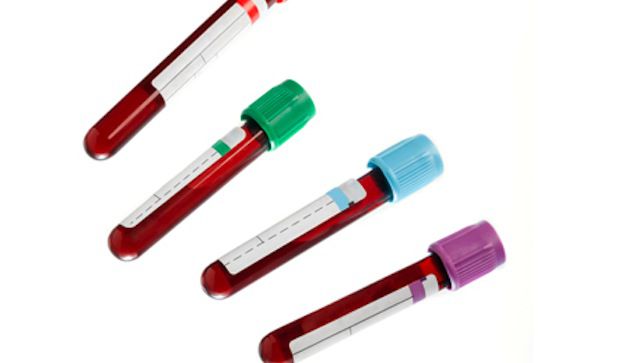
Phlebotomy is the practice of drawing blood for various medical purposes, including diagnosis and treatment. Phlebotomists play a crucial role in the healthcare system, working alongside doctors, nurses, and laboratory technicians. Their responsibilities typically include:
- Performing venipunctures
- Collecting blood samples
- Labeling and storing samples
- Maintaining patient records
- Ensuring proper sterilization and safety protocols
The Job Market for Phlebotomists in St. Louis
The job market for phlebotomists in St. Louis is robust, with numerous healthcare facilities, including hospitals, clinics, and laboratories actively seeking qualified professionals. According to the U.S. Bureau of Labor Statistics, employment in the phlebotomy field is expected to grow by 22% from 2020 to 2030, much faster than the average for all occupations.
Types of Employers
Phlebotomists in St. Louis can find employment in various settings, including:
- Hospitals
- Clinics
- Blood donation centers
- Laboratories
- Research institutions
Qualifications and Training
To become a phlebotomist in St. Louis, you will typically need a high school diploma or GED. Following this, you can pursue one of the following paths:
- Enroll in a phlebotomy training program (often community colleges or vocational schools offer these).
- Obtain certification through a recognized credentialing organization, such as the American Society for Clinical Pathology (ASCP) or the National Phlebotomy Association (NPA).
Certification Options
| Certification | Organization | Requirements |
|---|---|---|
| Certified Phlebotomy Technician (CPT) | National Healthcareer Association (NHA) | Complete a training program and pass the exam |
| Phlebotomy Technician Certification (PBT) | American Society for Clinical Pathology (ASCP) | Complete a training program and pass the exam |
Salary Expectations for Phlebotomists in St. Louis
The average annual salary for phlebotomists in St. Louis is competitive, with variations based on experience, education, and the specific employer. As of 2023, the average salary is approximately $39,000, although entry-level positions might start around $30,000. More experienced phlebotomists can earn upwards of $50,000 annually.
Factors Affecting Salary
- Experience Level
- Certification and Specializations
- Type of Employer (hospital vs. private practice)
- Location within St. Louis
Benefits of Becoming a Phlebotomist
Choosing a career in phlebotomy comes with several benefits:
- High Demand: With the growing healthcare industry, job security is a significant advantage.
- Short Training Period: Compared to many medical professions, phlebotomy requires only a short training period.
- Impactful Work: Phlebotomists play an essential role in healthcare and patient diagnosis.
- Flexible Hours: Many phlebotomists work shifts that accommodate different schedules.
Practical Tips for Aspiring Phlebotomists
Here are some key tips for those aspiring to become phlebotomists in St. Louis:
- Gain hands-on experience during your training through internships or volunteer positions.
- Focus on developing strong interpersonal skills, as communication with patients is crucial.
- Stay updated on best practices and safety standards in the field.
- Consider networking with current phlebotomists to gain insights into the profession.
Case Study: A Day in the Life of a St. Louis Phlebotomist
To give you a better understanding of this rewarding profession, consider the following case study based on an actual day in the life of a St. Louis phlebotomist, Karen:
On a busy Tuesday morning, Karen arrives at her hospital around 8:00 AM. Her first task is to prepare her workstation and review the list of patients needing blood draws. Throughout the day, she interacts with patients, explaining the procedure to ease any anxiety they may have. Karen draws blood from five patients, ensuring their comfort and safety. After lunch, she takes samples to the lab and spends some time cleaning her equipment. As her shift ends, Karen feels accomplished knowing she’s played a role in important healthcare outcomes.
Conclusion
Exploring phlebotomy jobs in St. Louis, MO, offers a wealth of opportunities for those looking to enter the healthcare field. With proper training, certification, and dedication, a career as a phlebotomist can be both fulfilling and financially rewarding. Whether you’re just starting your journey or considering a career change, this guide has equipped you with the essential knowledge you need. Start your path to becoming a phlebotomist today, and be a part of a vital healthcare profession!