Become a Certified EKG/phlebotomy Technician: Your Guide to Career Success and Growth
Embarking on a career in healthcare can be both fulfilling and financially rewarding. Among the many roles in the medical field, becoming a certified EKG (Electrocardiogram) and phlebotomy technician offers a practical, in-demand pathway to entering the healthcare industry. This extensive guide will walk you through the process of becoming certified, the benefits of this career, practical tips, and inspiring success stories to help you take your first steps toward a rewarding medical career.
Introduction
In todayS healthcare landscape, qualified technicians like EKG and phlebotomy specialists play a crucial role in patient care. These professionals assist physicians, nurses, and other healthcare providers by performing essential diagnostic tests and procedures. With the growing need for outpatient testing,diagnostic labs,and hospitals,the demand for certified EKG and phlebotomy technicians continues to rise. if you’re considering entering the healthcare field, obtaining certification as an EKG/Phlebotomy technician is a smart move to boost your employment prospects, increase your earning potential, and advance your career.
What is an EKG/Phlebotomy Technician?
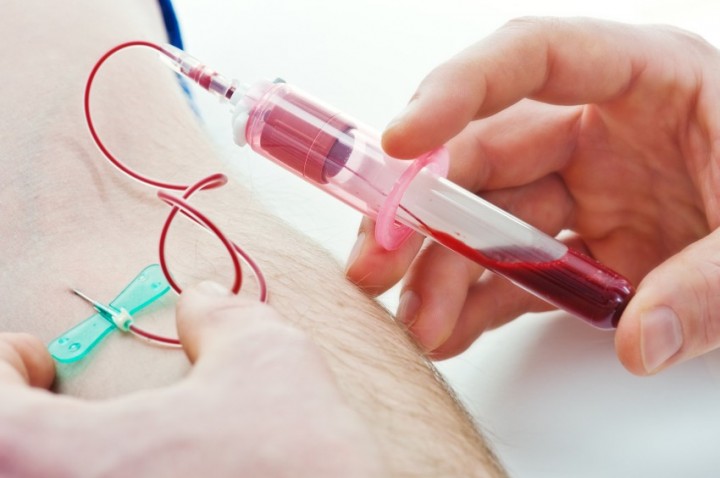
An EKG technician specializes in performing electrocardiograms – tests that record the electrical activity of the heart to detect abnormalities. A phlebotomy technician, on the other hand, focuses on drawing blood samples for laboratory testing. While these roles are distinct, many training programs combine both skills to provide versatile, in-demand expertise for healthcare providers.
By becoming cross-certified, you can handle a range of diagnostic procedures, making yourself a more valuable asset in various medical settings, including hospitals, clinics, outpatient labs, and doctor’s offices.
Benefits of Becoming a Certified EKG/Phlebotomy Technician
- Enhanced Employability: Employers prefer candidates with certified training, increasing your chances of landing a good position.
- Increased Earnings: Certified technicians typically earn higher salaries compared to non-certified peers.
- Career Advancement Opportunities: Certification can open doors to supervisory roles and specialized positions.
- Professional Credibility: Certification demonstrates your competence and commitment to the profession.
- Versatile Work Environments: Opportunities exist in hospitals, outpatient clinics, laboratories, and mobile health services.
How to Become a Certified EKG/Phlebotomy Technician
Step 1: Meet Basic Eligibility Requirements
- High school diploma or GED equivalent
- Basic proficiency in English and math
- Clean background check (varies by state and employer)
Step 2: Complete a Training Program
Enroll in an accredited EKG or phlebotomy technician training program. many community colleges, vocational schools, and online platforms offer certification courses that cover anatomy, physiology, CPR, safety protocols, and hands-on skills. Look for programs accredited by reputable organizations such as the National Healthcareer Association (NHA) or American Society for Clinical Pathology (ASCP).
step 3: Gain Practical Experience
- Complete clinical rotations as part of your training
- Build laboratory and patient interaction skills
- Secure internships or entry-level positions to build experience
Step 4: Obtain Certification
Apply for certification through recognized agencies such as:
| Certification Body | Certification Name | Requirements |
|---|---|---|
| National Healthcareer Association (NHA) | Certified EKG Technician (CET) | Completed training + exam |
| American Society for Clinical Pathology (ASCP) | Phlebotomy Technician (PBT) Certification | Training + exam |
| American Allied Health Association (AAHA) | Certified EKG Technician & Phlebotomy Technician | Coursework + examination |
Step 5: Maintain Certification
stay current by completing continuing education credits as required by your certifying body, and renew your certification periodically.
Practical tips for Success in Your certification Journey
- Research Programs: Choose accredited courses that suit your learning style and schedule.
- Gain Hands-On Experience: Seek internships or volunteer opportunities for real-world skills.
- Develop Soft Skills: Good communication, attention to detail, and empathy are key in patient interactions.
- Prepare for Certification Exams: Use practice tests and study guides to boost confidence.
- Stay Updated: Keep current with industry best practices and technological advancements.
Career Paths and Growth Opportunities
Once certified, your career can progress in many directions:
- Entry-Level technician: Start working in clinics, laboratories, or hospitals.
- Specialized Roles: Advance into cardiac monitoring, mobile health services, or laboratory management.
- Healthcare Team Leader: Lead a team of technicians or train new staff.
- Further education: Pursue advanced degrees in nursing, radiology, or other healthcare fields.
Real-Life Success Stories
Jane’s Journey: From Trainee to Team Lead
Jane started as a phlebotomy technician after completing her certification through a local community college. Her dedication and excellent patient care led her to earn her EKG certification as well. Within two years, she was promoted to a lead technician role, overseeing other staff and coordinating testing procedures. Jane’s story exemplifies how certification and continuous learning can propel your healthcare career forward.
additional Practical Tips
- Network: Connect with professionals through seminars and online forums.
- Stay organized: Keep track of certification expiration dates and continuing education requirements.
- Focus on Patient Care: Providing compassionate and professional care enhances job satisfaction and performance.
- Embrace Technology: become familiar with the latest diagnostic equipment and software used in labs and clinics.
Conclusion
Becoming a certified EKG and phlebotomy technician is an accessible and rewarding pathway into the healthcare industry. By obtaining the necessary training, gaining practical experience, and earning certification from reputable organizations, you set yourself up for a successful career with numerous growth opportunities. Whether you’re just starting out or looking to expand your skills,this profession offers stability,personal fulfillment,and the chance to make a real difference in patients’ lives. Take the first step today-your future in healthcare awaits!