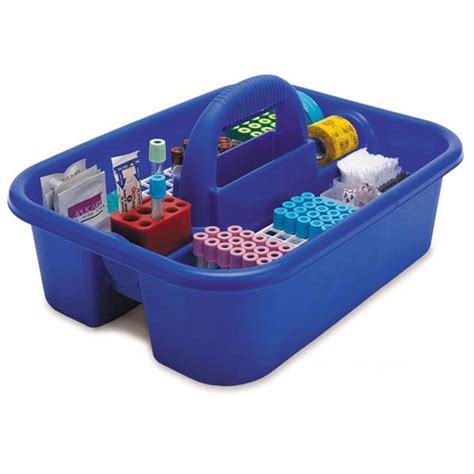
Elevate Your Career: Essential Continuing Education for Phlebotomists
In the healthcare industry, staying updated with the latest skills and certifications is crucial for professional growth. As a phlebotomist, pursuing continuing education not only enhances your skills but also improves the quality of patient care. This article will explore essential continuing education opportunities and programs that can elevate your career in phlebotomy.
Why Continuing Education is Essential for Phlebotomists
Continuing education is a critical component of a phlebotomist’s career. Here’s why:
- Adapting to Industry Changes: The medical field is continuously evolving, with new techniques, protocols, and technologies. Ongoing education ensures phlebotomists stay informed.
- Improving Skills: Advanced training programs expose phlebotomists to new methodologies, improving their skills and boosting confidence in their roles.
- Career Advancement: Additional credentials can make you a more competitive candidate for higher-ranking positions or specialized roles.
- Regulatory Requirements: Many states require phlebotomists to complete continuing education to maintain licensure or certification.
Continuing Education Opportunities for Phlebotomists
There are various avenues for continuing education that can significantly benefit phlebotomists:
Certification Courses
Obtaining additional certifications can enhance your career prospects. Popular certification programs include:
| Certification | Offered By | Duration |
|---|---|---|
| Certified Phlebotomy Technician (CPT) | National Center for Competency Testing | 1-3 Months |
| Registered Phlebotomy Technician (RPT) | American Society of Phlebotomy Technicians | 6-12 Months |
| Certified Phlebotomy Professional (CPP) | National Healthcareer Association | 6 Months |
Online Courses and Workshops
With the rise of online learning platforms, phlebotomists can access countless courses and workshops from the comfort of their homes. Websites like Coursera, Udemy, and Medscape offer electives focused on:
- Advanced venipuncture techniques
- Patient communication and care
- Handling special populations (pediatrics, geriatrics)
- Blood collection and laboratory safety practices
Conferences and Seminars
Attending industry conferences provides networking opportunities and the chance to learn from leaders in the field. National events like the American Society for Clinical Laboratory Science (ASCLS) Annual Meeting feature sessions on:
- Emerging phlebotomy technologies
- Best practices in blood collection
- Regulatory updates affecting phlebotomy
Benefits of Continuing Education for Phlebotomists
Engaging in continuing education provides various benefits beyond merely expanding your skill set:
- Increased Earning Potential: Licensed phlebotomists with additional certifications often command higher salaries.
- Job Security: Skilled professionals are in higher demand, resulting in more job opportunities and stability.
- Improved Patient Outcomes: Enhanced skills contribute to better patient care, which is the cornerstone of healthcare.
Practical Tips for Pursuing Continuing Education
If you’re considering advancing your phlebotomy career through continuing education, here are some practical tips:
- Assess Your Career Goals: Determine what you want to achieve through further education—whether it’s climbing the career ladder or focusing on specialization.
- Research Programs: Investigate various institutions and online platforms to find courses that align with your goals.
- Set a Schedule: Be realistic about your time commitments; balance your work, education, and personal life.
- Join Professional Organizations: Engage with groups like the National Phlebotomy Association for networking, news, and access to educational resources.
Case Studies: Success Stories of Phlebotomists Elevating Their Careers
Consider these inspiring stories of phlebotomists who have successfully leveraged continuing education to advance their careers:
Case Study 1: Maria, From Technician to Supervisor
Maria began her journey as a phlebotomist with minimal experience. By enrolling in several certification programs, she gained the skills necessary to apply for a supervisory role. Today, she manages a team of phlebotomists, crediting her career advancement to her dedication to continuing education.
Case Study 2: James, The Specialization Expert
After a few years in general phlebotomy, James pursued specialized training in pediatric blood collection. This decision not only increased his job satisfaction but also led to a niche role at a local children’s hospital, where his skill set is invaluable.
First-Hand Experience: A Day in the Life of a Continuing Education-Minded Phlebotomist
As a phlebotomist committed to continuous learning, my day typically involves:
- Catching up on the latest research on blood collection techniques during breaks.
- Attending a skills workshop once a month to refine my methods.
- Networking with peers at a local healthcare conference.
These activities keep me engaged in my work and prepared for the challenges that arise in the fast-paced medical environment.
Conclusion
Elevating your career as a phlebotomist through essential continuing education is not only possible—it’s vital. By pursuing certifications, online courses, and attending industry events, you can enhance your skills, improve patient care, and unlock new career opportunities. Whether you’re looking to specialize or climb the career ladder, investing in your education is the key to a successful future in phlebotomy.