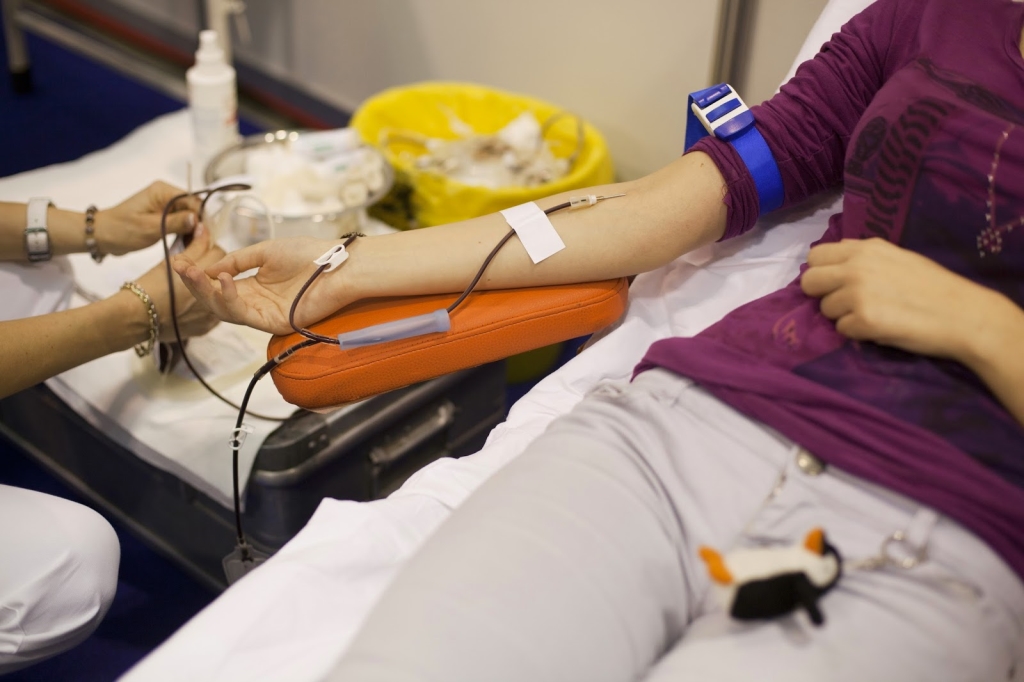
Mastering Phlebotomy: Essential Skills and Career Insights for Aspiring Phlebotomists
Phlebotomy, the practice of drawing blood, is a critical skill in healthcare that’s in high demand. As an aspiring phlebotomist, gaining mastery over essential skills and understanding career insights can pave the way for a fulfilling career. This comprehensive guide will explore what it takes to become a proficient phlebotomist, including the skills required, the benefits of pursuing a phlebotomy career, and tips for success.
Understanding Phlebotomy
Phlebotomy involves the collection of blood samples from patients for medical testing, transfusions, or donations. It’s an integral part of diagnostic testing and can help in monitoring a patient’s health. Phlebotomists work in various environments, including hospitals, clinics, and laboratories.
Essential Skills for Aspiring Phlebotomists
1. Technical Skills
Mastering specific technical skills is crucial for any phlebotomist. Key skills include:
- Blood Collection Techniques: Familiarity with various methods such as venipuncture and capillary puncture.
- Use of Equipment: Proficiency in using needles, syringes, tourniquets, and blood collection tubes.
- Sample Handling: Knowledge of proper sample labeling, storage, and transportation procedures.
2. Interpersonal Skills
Being a phlebotomist isn’t just about technical skills; strong interpersonal skills are equally important:
- Communication: Effectively explaining procedures to patients to alleviate their anxiety.
- Empathy: Demonstrating compassion and understanding towards patients, especially those who may be nervous about blood draws.
- Teamwork: Collaborating with other healthcare professionals to ensure quality patient care.
3. Attention to Detail
Precision is fundamental in phlebotomy. A small mistake can lead to incorrect diagnoses based on blood tests. Aspiring phlebotomists should focus on developing:
- Accurate Sampling: Taking great care in collecting and labeling samples correctly.
- Quality Control: Following protocols to minimize contamination and ensure valid test results.
Educational Pathways and Certifications
To become a phlebotomist, education and certification play a pivotal role. Here’s an overview of typical pathways:
Certification Programs
Most phlebotomy programs last 4-8 months. Many community colleges and vocational schools offer accredited programs. Students usually participate in:
- Classroom Coursework: Anatomy of the circulatory system, infection control practices, and legal regulations.
- Hands-on Training: Students practice blood draws on classmates and simulated patients.
Certification Exams
Upon completing a training program, graduates can take certification exams from organizations such as:
| Certification Body | Exam Focus |
|---|---|
| American Society for Clinical Pathology (ASCP) | Clinical practices, safety, and anatomy |
| National Phlebotomy Association (NPA) | Phlebotomy techniques and patient care |
| American Certification Agency (ACA) | Quality assurance and blood collection |
Benefits of Pursuing a Career in Phlebotomy
Choosing a career in phlebotomy offers several advantages:
- Strong Job Demand: The healthcare industry consistently seeks qualified phlebotomists, resulting in job stability.
- Short Training Period: For those eager to jump-start their careers, phlebotomy training is relatively quick compared to other healthcare professions.
- Flexibility: Phlebotomists can work in various settings, including hospitals, clinics, and blood donation centers.
- Impactful Work: Phlebotomists play a vital role in patient care, contributing to diagnoses and health management.
Practical Tips for Aspiring Phlebotomists
Here are some practical tips to enhance your phlebotomy career:
Networking
Join professional organizations and attend workshops to network with peers and learn from experienced phlebotomists.
Continuous Learning
Stay updated on the latest phlebotomy techniques and best practices to improve your skills.
Gain Experience
Consider volunteering in healthcare settings to gain real-world experience and improve your confidence.
First-hand Experiences of Phlebotomists
Hearing from professionals can provide insights into the daily realities of a phlebotomist’s work life. Here are two brief accounts:
Case Study 1: Sara, a New Grad
“I was anxious on my first day, but my supervisor was incredibly supportive. Over time, I grew more confident, and now I love interacting with patients and helping them.”
Case Study 2: Mike, an Experienced Phlebotomist
“The best part of my job is making connections with patients. Sometimes people come in scared, and I know my calm approach can really help ease their nerves.”
Conclusion
Mastering phlebotomy is a rewarding journey that requires a blend of technical know-how, interpersonal skills, and a genuine care for patients. With the right training and mindset, you can thrive in this essential role within the healthcare field. Whether you are just starting or looking to advance your career, embracing continuous learning and networking is key to becoming a successful phlebotomist.