Top 10 Career Opportunities for Phlebotomists: Unlock Your Potential in Healthcare
Phlebotomy is a vital profession within the healthcare sector, serving as the first step in the diagnostic process. If you’re trained as a phlebotomist, you hold a unique set of skills that can open various career opportunities. In this article, we’ll explore the top 10 career opportunities for phlebotomists, showcasing how you can unlock your potential in healthcare.
What is a Phlebotomist?
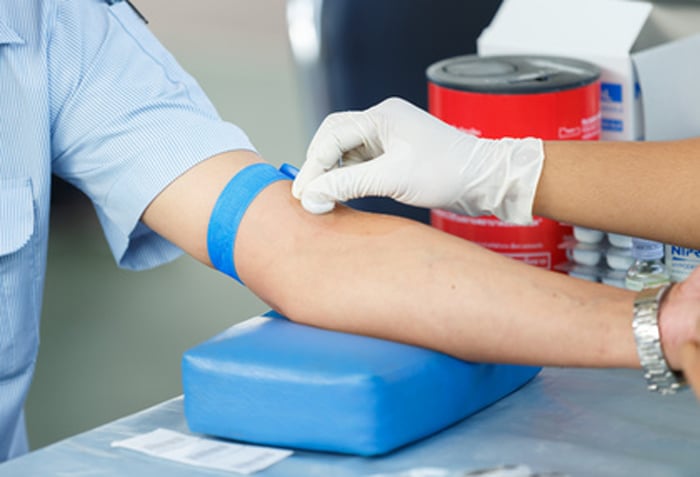
A phlebotomist is a healthcare professional responsible for drawing blood from patients for tests, transfusions, donations, or research. Strong communication, attention to detail, and customer service skills are crucial in this role.
The Importance of Phlebotomy in Healthcare
Phlebotomy plays a critical role in the diagnosis and monitoring of patient health. The quality of blood samples collected greatly influences the accuracy of medical tests and treatments.
Top 10 Career Opportunities for Phlebotomists
| Career Opportunity | Description | Average Salary |
|---|---|---|
| 1. Hospital Phlebotomist | Work within hospitals, primarily in emergency rooms and labs. | $36,000 |
| 2. Mobile Phlebotomist | Travel to patients’ homes or job sites to collect samples. | $40,000 |
| 3. Blood Bank Technician | Specialize in collecting, testing, and storing blood donations. | $50,000 |
| 4. Clinical Laboratory Phlebotomist | Handle blood samples in laboratory settings for analysis. | $42,000 |
| 5. Research Phlebotomist | Assist in scientific studies requiring blood sample collection. | $48,000 |
| 6. Donor Center Phlebotomist | Work with organizations to collect blood donations from the public. | $38,000 |
| 7. Dialysis Center Phlebotomist | Assist patients undergoing dialysis by collecting necessary blood samples. | $44,000 |
| 8. Pediatric Phlebotomist | Specialize in drawing blood from children and infants. | $39,000 |
| 9. Forensic Phlebotomist | Work on legal cases collecting blood samples for evidence. | $52,000 |
| 10. Phlebotomy Instructor | Teach and mentor aspiring phlebotomists in educational settings. | $55,000 |
Benefits of a Career in Phlebotomy
Choosing a career in phlebotomy comes with several advantages:
- Job Stability: The demand for qualified phlebotomists is consistently high.
- Quick Training Programs: Many phlebotomy programs can be completed in just 4-6 months.
- Flexible Work Hours: Opportunities exist in various settings, offering adaptable schedules.
- Career Advancement: Further certifications can lead to higher-paying roles.
- Impactful Work: Contribute significantly to patient care and health outcomes.
Practical Tips for Aspiring Phlebotomists
If you’re considering a career in phlebotomy, here are some practical tips to help you succeed:
- Gain Hands-On Experience: Look for internships or volunteer opportunities.
- Stay Updated: Join professional organizations to keep current with industry trends.
- Network: Attend healthcare conferences and seminars to meet professionals in the field.
- Maintain Skills: Regularly practice drawing blood to enhance your technique.
- Pursue Continued Education: Consider advanced courses for career advancement.
First-Hand Experience: A Phlebotomist’s Journey
Meet Sarah, a certified phlebotomist who began her career in a small hospital. “I always enjoyed the healthcare field, but what I love most about phlebotomy is its impact,” she shares. After years of working in the hospital, Sarah transitioned to a mobile phlebotomy service, which allows her to connect with patients in comfort.
Case Studies: Success Stories in Phlebotomy
Across the country, many phlebotomists have advanced their careers successfully:
- John: Started as a hospital phlebotomist and now works as a blood bank manager.
- Emily: Specialized in pediatric phlebotomy and now works as a consultant for healthcare facilities.
- Kevin: Transitioned from phlebotomy to forensic science, contributing his skills to criminal investigations.
Conclusion
A career in phlebotomy offers a fulfilling pathway in the healthcare industry with various opportunities for growth and specialization. By unlocking your potential as a phlebotomist, you can not only contribute to patient health but also build a rewarding career. Whether you choose to work in hospitals, research, or education, the skills you’ve acquired through phlebotomy training will serve you well. Start your journey today and explore the career opportunities that await!