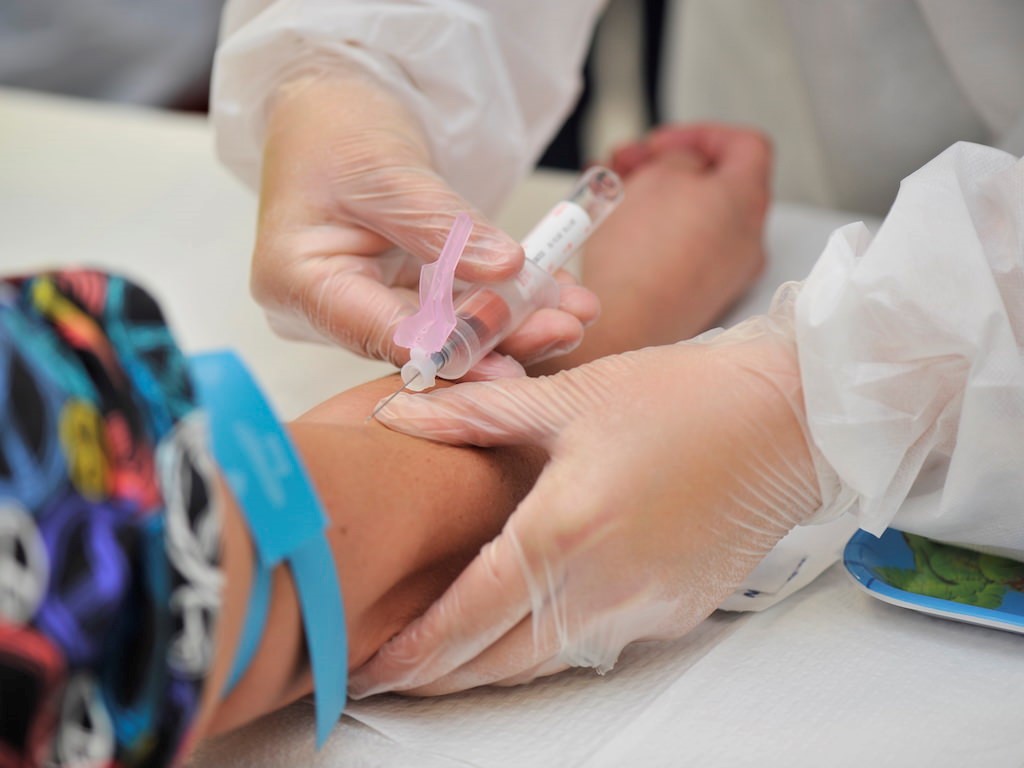
Mastering Venipuncture: A Step-by-Step Guide on How to Draw Blood Safely and Effectively
Venipuncture is a fundamental skill in healthcare that can be mastered with practice and attention to detail. This comprehensive guide provides a step-by-step approach, focusing on how to safely and effectively draw blood. Whether you’re a nursing student, a new phlebotomist, or a seasoned healthcare professional looking to brush up on your skills, this article will provide valuable information, practical tips, and the benefits of mastering venipuncture.
What is Venipuncture?
Venipuncture is the process of obtaining intravenous access for intravenous therapy or venous blood sampling. It’s a common practice in healthcare settings for laboratory testing and transfusions. Understanding the anatomy of veins and the proper techniques for drawing blood is crucial for minimizing patient discomfort and preventing complications.
The Importance of Proper Venipuncture Technique
Mastering venipuncture ensures:
- Minimized pain and anxiety for patients
- Accurate test results
- Reduced risk of complications such as hematoma or phlebitis
Benefits of Mastering Venipuncture
Developing advanced venipuncture skills can lead to:
- Improved patient satisfaction and trust
- Enhanced career opportunities in healthcare
- Increased confidence when performing other clinical procedures
Preparing for Venipuncture
The preparation phase is crucial to ensure a smooth venipuncture process:
Gather Your Supplies
Ensure you have the following items:
- Gloves
- Alcohol swabs
- Tourniquet
- Needle and syringe or vacutainer
- Blood collection tubes
- Gauze and adhesive bandage
Patient Identification and Consent
Always verify the patient’s identity and inform them about the procedure:
- Use two identifiers: name and date of birth
- Explain the procedure simply and obtain verbal consent
The Process of Drawing Blood: A Step-by-Step Guide
Step 1: Positioning the Patient
Ensure the patient is comfortable, preferably seated or lying down, and that the arm is extended and supported.
Step 2: Apply the Tourniquet
Place the tourniquet about 3-4 inches above the intended puncture site to engorge the veins, making them more visible.
Step 3: Clean the Area
Using an alcohol swab, clean the puncture site in a circular motion, moving from the center outwards. Let it dry completely to ensure effectiveness.
Step 4: Select the Proper Needle
Choose an appropriate needle size based on the vein size and patient age:
| Needle Gauge | Suitable For |
|---|---|
| 16-18 | Blood donations |
| 20-22 | Most adult patients |
| 23-25 | Pediatric or fragile veins |
Step 5: Puncture the Vein
Hold the skin taut and insert the needle with the bevel facing up at a 15-30 degree angle. Once you see blood entering the needle, advance the needle slightly more before attaching the collection tube or syringe.
Step 6: Collect the Blood
Fill the appropriate tubes with the required volume of blood. Each tube may have specific order requirements, so ensure you follow them to avoid contamination.
Step 7: Remove the Needle
Once blood collection is complete, remove the needle swiftly and apply gauze over the puncture site immediately, asking the patient to apply pressure for a few minutes.
Step 8: Dispose of Waste
Safely dispose of the used needle and blood collection materials in accordance with your facility’s regulations.
Post-Procedure Care
Advise the patient to keep the area clean and dry. Monitor for any signs of complications such as excessive bleeding or unusual swelling at the puncture site.
Practical Tips for Success
- Practice on a variety of patients to become adept at identifying veins.
- Stay calm and composed, as your demeanor can affect the patient’s anxiety levels.
- Always adhere to standard precautions to prevent contamination and protect yourself and others.
Case Studies and Real-World Experiences
Consider the following experiences shared by phlebotomists:
In one case, a new phlebotomist recognized a patient’s anxiety and took extra time to explain the procedure, resulting in a much smoother process. In another scenario, a seasoned professional noted the importance of proper needle selection, which directly influenced the success rate of blood draws.
Conclusion
Mastering venipuncture is a critical skill for healthcare professionals. By following the detailed steps outlined in this guide and incorporating best practices, you can draw blood safely and effectively while ensuring patient comfort. Remember that practice makes perfect; the more you perform venipuncture, the more confident and skilled you will become.
With these techniques and insights, you’re now well on your way to becoming a master in venipuncture!