Unlocking Careers: A Comprehensive Guide to Phlebotomy Training Essentials
Phlebotomy, the practice of drawing blood for tests, transfusions, research, or donation, is a critical healthcare skill. As the demand for healthcare services continues to grow, so does the need for trained phlebotomists. If you’re considering a career in this rewarding field, this comprehensive guide will walk you through everything you need to know about phlebotomy training essentials.
What is Phlebotomy?
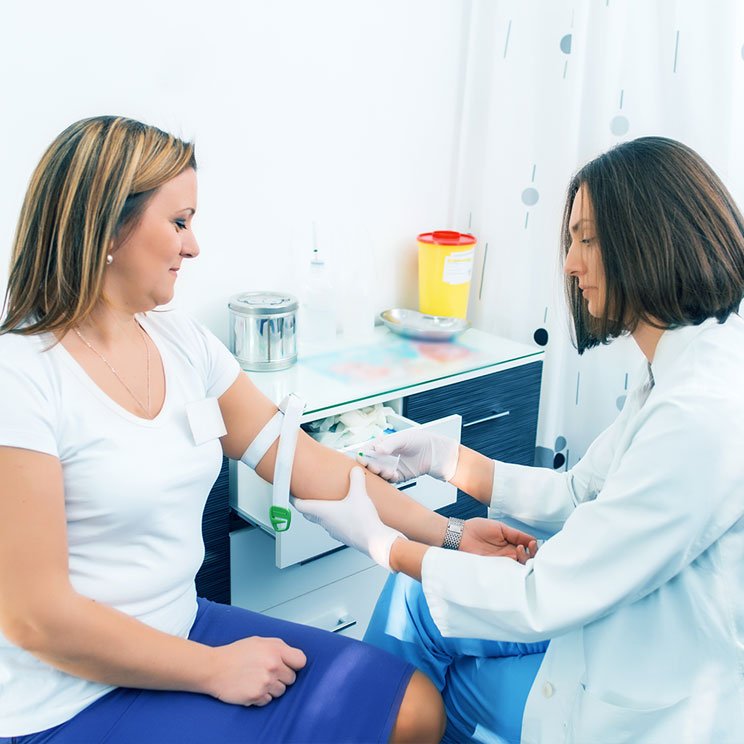
Phlebotomy involves the collection of blood samples from patients and requires specific skills and knowledge. Phlebotomists work in various healthcare settings, including hospitals, laboratories, and blood donation centers. Understanding the phlebotomy training process is crucial for anyone looking to embark on this career path.
Phlebotomy Training Essentials
The foundation of a successful career in phlebotomy lies in proper training. Below are the key elements to consider when training for a phlebotomy role:
1. Educational Requirements
- High School Diploma or GED: Most programs require a high school diploma or equivalent.
- Phlebotomy Training Program: Enroll in a certified phlebotomy training program, which typically takes less than a year to complete.
2. Certification and Licensing
While some states do not require certification to work as a phlebotomist, obtaining certification can enhance your job prospects. Several organizations offer certification, including:
- American Society for Clinical Pathology (ASCP)
- National Phlebotomy Association (NPA)
- American Medical Technologists (AMT)
3. Hands-On Experience
Practical training is essential in phlebotomy. Look for programs that offer clinical internships where you can practice drawing blood under supervision. This hands-on experience is invaluable.
Benefits of Pursuing a Phlebotomy Career
- High Demand: The healthcare industry is continuously growing, creating a steady demand for skilled phlebotomists.
- Quick Entry into the Job Market: Compared to other medical careers, phlebotomy training can be completed relatively quickly.
- Flexible Work Schedule: Many phlebotomy roles offer flexible hours, making it an ideal job for those seeking work-life balance.
- Job Satisfaction: Contributing to patient care and being part of a medical team can be deeply rewarding.
Practical Tips for Aspiring Phlebotomists
Here are some practical tips to help you succeed in your phlebotomy training and career:
- Focus on communication skills; phlebotomists often need to reassure nervous patients.
- Practice your technical skills as much as possible; proficiency is key in this field.
- Stay organized and detail-oriented, as accurate records are vital in healthcare settings.
- Network with professionals in the field during your training for job leads and mentorship opportunities.
Case Studies: Success Stories in Phlebotomy
| Name | Background | Current Role | Advice for Aspirants |
|---|---|---|---|
| Lisa Johnson | Former office administrator | Lead Phlebotomist at City Hospital | “Always be open to learning and improving your skills.” |
| Mark Thompson | Recent college graduate | Phlebotomist at Community Blood Center | “Volunteer experience made my resume stand out.” |
| Sandra Lee | Stay-at-home mom | Part-time Phlebotomist | “Flexible opportunities allow for work-life balance.” |
First-Hand Experience from a Phlebotomy Professional
Jake Miller, Certified Phlebotomist:
“When I started my phlebotomy journey, I was nervous about working with patients. However, my training program emphasized patient interaction, which boosted my confidence. What I love most about being a phlebotomist is that I get to make a real difference in patients’ lives, whether it’s in a hospital setting or during community blood drives. My advice? Always seek feedback and don’t shy away from challenging situations. Every experience enhances your skills.”
Conclusion
Pursuing a career in phlebotomy can be a fulfilling choice for those interested in the healthcare field. With adequate training and hands-on experience, you can unlock a rewarding career path that is both in-demand and essential. As you embark on this journey, focus on obtaining the necessary education, consider certification to enhance your credentials, and embrace the opportunities that come your way. Whether you’re just starting out or transitioning from another career, phlebotomy offers a promising future for dedicated individuals ready to make a difference.