Unlocking the Essentials of Phlebotomy: A Comprehensive Guide for Aspiring Professionals
Phlebotomy is a vital practice within the healthcare industry, essential for patient care and diagnosis. For individuals considering a career in healthcare, becoming a phlebotomist offers numerous opportunities for growth and advancement. This comprehensive guide delves into the essentials of phlebotomy, providing aspiring professionals with the foundational knowledge needed to excel in this field.
What is Phlebotomy?
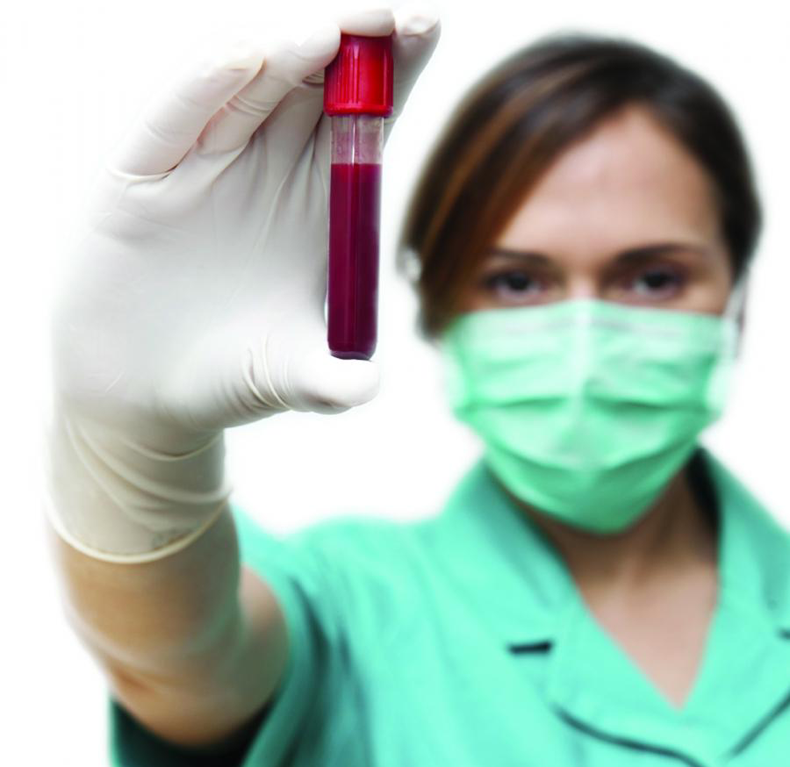
Phlebotomy is the practice of drawing blood from patients for testing, donation, or transfusion. It plays a crucial role in patient diagnosis and treatment, making skilled phlebotomists indispensable members of the healthcare team.
Essential Skills for Phlebotomists
To thrive as a phlebotomist, you will need a specific set of skills:
- Attention to Detail: Precision is key in blood collection to ensure accurate test results.
- Communication Skills: Interaction with patients requires clarity and empathy.
- Technical Skills: Proficiency in using medical equipment is essential.
- Manual Dexterity: Steady hands are crucial for blood collection.
- Problem-Solving Abilities: Quick thinking is necessary to handle unexpected situations.
The Benefits of a Career in Phlebotomy
Choosing a career in phlebotomy comes with several advantages:
- High Demand: With an aging population and increased health screenings, the need for phlebotomists is on the rise.
- Job Stability: The healthcare sector offers consistent employment opportunities.
- Short Training Period: Phlebotomy programs are typically short, allowing for a quicker entry into the workforce.
- Interaction with People: If you enjoy working with patients, this career provides ample opportunities for engagement.
- Opportunities for Advancement: Skills in phlebotomy can lead to roles in related fields, including laboratory technology and nursing.
Steps to Becoming a Phlebotomist
If you’re considering a career in phlebotomy, follow these steps:
1. Obtain a High School Diploma or GED
Most phlebotomy programs require applicants to have a high school diploma or equivalent. Focus on relevant subjects like biology and health sciences.
2. Enroll in a Phlebotomy Training Program
Choose an accredited phlebotomy training program. These programs typically last from a few months to a year and include both theoretical coursework and practical experience. Look for programs that meet the certification prerequisites.
3. Gain Practical Experience
During your training, you’ll complete hands-on clinical practice. This experience is vital for developing the necessary skills and confidence.
4. Obtain Certification
Most employers require certification. Research the certifications available, such as the National Certified Phlebotomy Technician (NCPT) or American Society for Clinical Pathology (ASCP) certification.
5. Apply for Jobs
With certification in hand, you can apply for positions in hospitals, blood donation centers, or clinics. Be prepared for interviews by practicing common questions related to phlebotomy and patient care.
Practical Tips for Aspiring Phlebotomists
- Practice Regularly: Regular practice helps develop technique and ease with the procedures.
- Stay Updated: Keep abreast with the latest procedures and technologies in phlebotomy.
- Network: Connecting with other professionals can provide valuable insight and job leads.
- Learn from Feedback: Always seek feedback from trainers and professionals to improve your skills.
Case Study: Success in Phlebotomy
Jane Smith, a recent graduate from a local phlebotomy program, landed her first job at a hospital via an internship included in her training. With a passion for helping others and strong interpersonal skills, she quickly became a valued team player and aims to advance into a nursing role in the future.
First-Hand Experience: A Day in the Life of a Phlebotomist
A phlebotomist’s day may involve:
- Preparing equipment for blood draws.
- Welcoming patients and calming their nerves.
- Performing blood draws while maintaining hygiene.
- Labeling and processing samples for laboratory testing.
- Documenting procedures in electronic medical records.
Conclusion
Becoming a phlebotomist is a fulfilling career path that plays an essential role in the healthcare system. With a short training period, high demand, and opportunities for advancement, it’s an excellent choice for those looking to enter the medical field. By following the outlined steps, developing necessary skills, and embracing the practical tips provided, aspiring phlebotomists can unlock a rewarding career that is both impactful and satisfying.