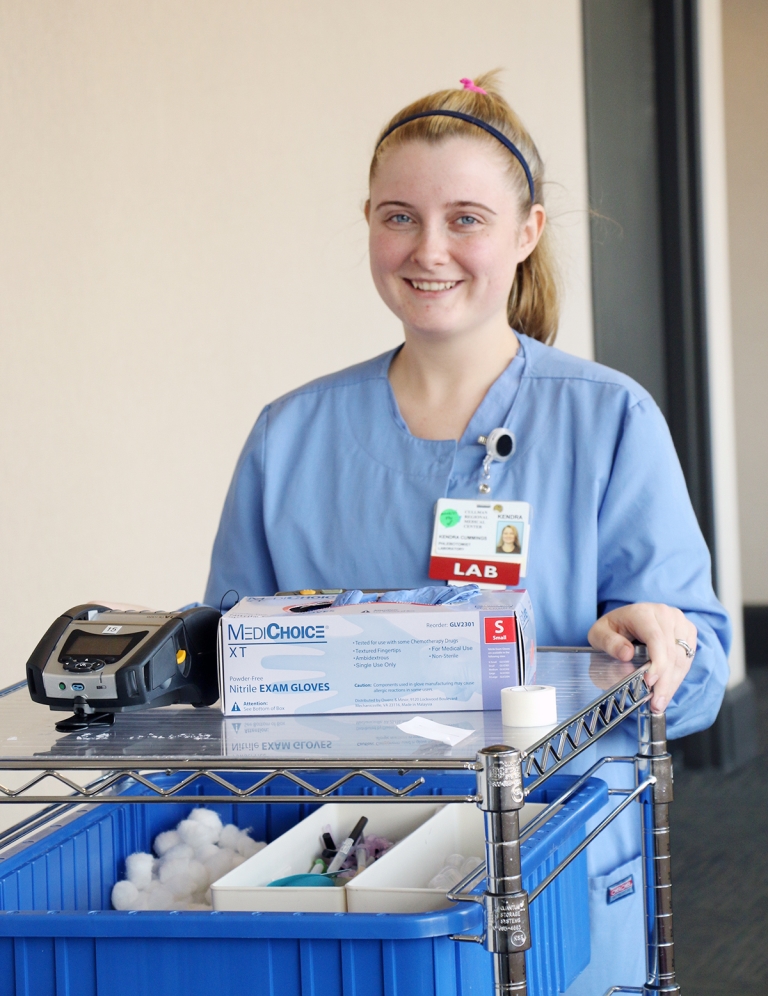
Unlock Your Career: What You Need to Know About Phlebotomy Certification
In today’s competitive job market, having the right qualifications can unlock tremendous opportunities. One of the most promising fields in healthcare is phlebotomy, where you can build a rewarding career with just a certification. This article delves into phlebotomy certification, its significance, benefits, and how you can embark on this fulfilling career path.
What is Phlebotomy?
Phlebotomy is the practice of drawing blood from patients for various medical purposes, including testing, donation, and transfusion. Phlebotomists play a crucial role in patient care and the overall healthcare system.
Why Pursue Phlebotomy Certification?
Becoming a certified phlebotomist can significantly enhance your career prospects. Here’s why:
- Skill Validation: Certification demonstrates your proficiency in blood collection techniques, patient interaction, and safety protocols.
- Higher Earning Potential: Certified phlebotomists generally earn more compared to their non-certified counterparts.
- Increased Job Opportunities: Many employers prefer or require certification for phlebotomy positions.
- Career Advancement: Certification can serve as a stepping stone to more advanced roles in healthcare.
Steps to Obtain Phlebotomy Certification
To become a certified phlebotomist, follow these essential steps:
1. Research Certification Requirements
Each state may have different requirements for phlebotomy certification. It’s crucial to check with local regulatory bodies.
2. Complete a Phlebotomy Training Program
Enroll in an accredited phlebotomy training program. This typically involves both theoretical coursework and hands-on clinical experience.
3. Gain Practical Experience
Complete a certain number of blood draws under supervision to gain practical experience. Most certification programs require a minimum of 30 successful blood draws.
4. Pass the Certification Exam
After completing your training, you’ll need to pass a certification exam offered by recognized organizations, such as:
| Certification Organization | Exam Format |
|---|---|
| National Phlebotomy Association (NPA) | Multiple choice |
| American Society for Clinical Pathology (ASCP) | Multiple choice |
| American Medical Technologists (AMT) | Multiple choice |
Benefits of Phlebotomy Certification
A phlebotomy certification offers numerous advantages:
Enhanced Professional Credibility
Being certified boosts your credibility amongst employers and patients. It signifies your commitment to the profession.
Networking Opportunities
Joining professional associations and attending workshops can help you network with peers and other professionals in the field.
Flexibility in Employment Settings
Certified phlebotomists can work in various settings, including hospitals, laboratories, clinics, and even research facilities.
Practical Tips for Success in Phlebotomy
Here are some practical tips to ensure your success as a phlebotomist:
- Stay Educated: Continuous education is vital. Opportunities for specialized training may arise in fields like pediatrics, geriatrics, or oncology.
- Practice Your Skills: The more you practice blood-drawing techniques, the more confident and proficient you’ll become.
- Develop Soft Skills: Excellent communication and interpersonal skills are crucial for a successful phlebotomy career.
- Manage Patient Anxiety: Learn techniques to help put patients at ease, as many fear needles.
Real-Life Case Studies
Let’s explore a couple of case studies illustrating successful careers launched with phlebotomy certification:
Case Study 1: Maria’s Journey
Maria enrolled in a phlebotomy training program after completing high school. Within months, she excelled in her exams and secured a job at a local clinic. The hands-on training and certification opened doors for her to move into a medical lab technician role within two years.
Case Study 2: James’s Advancement
James worked as a hospital orderly for years. After getting certified in phlebotomy, he transitioned into a phlebotomist role, allowing him to interact more directly with patients and contributing to his promotions into management positions within five years.
First-Hand Experience: A Day in the Life of a Phlebotomist
A typical day for a phlebotomist involves
- Preparing and maintaining equipment
- Greeting patients and explaining procedures
- Collecting blood samples while ensuring patient comfort
- Labeling and processing samples for lab analysis
- Following safety protocols to ensure a sterile environment
Conclusion
Phlebotomy certification is an excellent stepping stone for anyone looking to enter the healthcare field or enhance their skills. With structured training, hands-on experience, and commitment, you can unlock a fulfilling career in phlebotomy and beyond. Take the step today, and let your journey in healthcare begin!