Unveiling the Essential Duties of a Phlebotomist: What Every Aspiring Professional Should Know
Becoming a phlebotomist is an excellent career choice for those interested in the healthcare sector. Phlebotomists play a crucial role in the medical field by collecting blood samples, which are essential for testing and diagnosing various health conditions. In this article, we delve into the responsibilities, benefits, and practical tips every aspiring phlebotomist should consider.
What is a Phlebotomist?
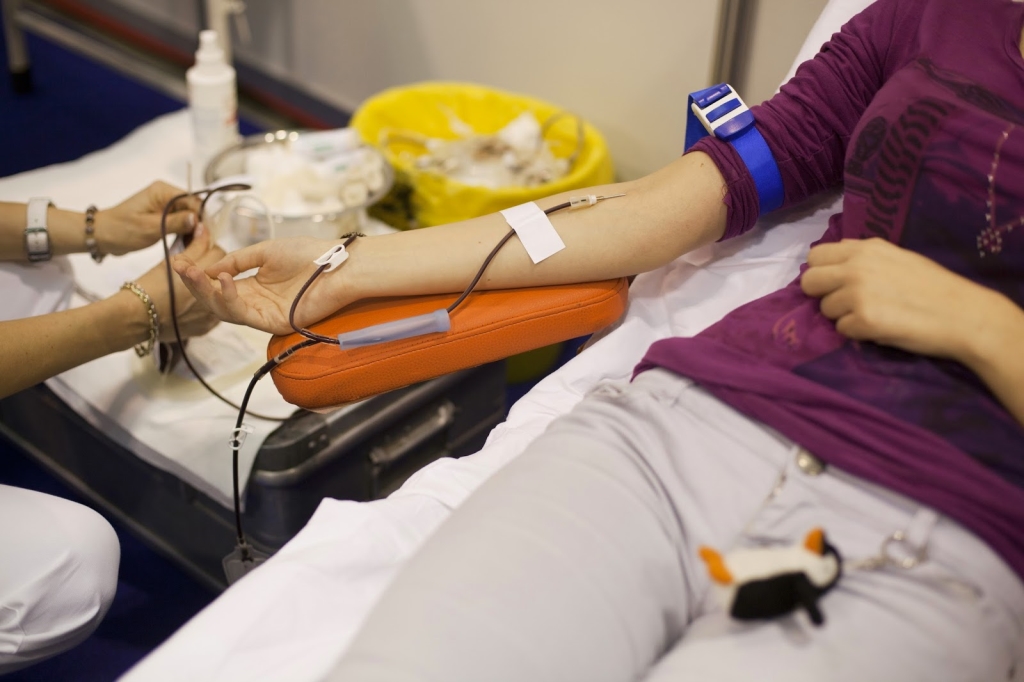
A phlebotomist is a healthcare professional skilled in drawing blood from patients for various medical purposes. Their work is vital, as it contributes significantly to patient care, laboratory testing, and clinical research.
Essential Duties of a Phlebotomist
The duties of a phlebotomist can vary by workplace, but the following are some of the essential responsibilities they undertake:
1. Blood Collection
- Perform venipuncture and capillary blood collection.
- Use appropriate techniques to minimize discomfort for patients.
- Ensure the safety and quality of the blood sample collected.
2. Patient Interaction
- Communicate with patients to explain the procedures.
- Provide comfort and reassurance to patients who may feel anxious.
- Obtain patient’s medical history before the procedure.
3. Accurately Labeling Samples
- Label all blood samples correctly to avoid mix-ups.
- Follow institutional protocols for sample management.
4. Maintaining Equipment and Environment
- Ensure all instruments and equipment are properly sterilized and maintained.
- Keep the working area clean and organized.
- Dispose of biohazard waste properly to ensure safety standards are met.
5. Documentation and Reporting
- Document each blood draw and any complications that arise.
- Report any issues or irregularities to supervisors immediately.
- Assist with maintaining patient records and laboratory logs.
Benefits of a Career in Phlebotomy
Choosing a career as a phlebotomist comes with numerous benefits:
- Short Training Period: Phlebotomy training programs typically last only a few months.
- High Demand: The need for skilled phlebotomists is growing across healthcare settings.
- Job Flexibility: Phlebotomists can work in hospitals, clinics, laboratories, and even as traveling professionals.
- Opportunity for Advancement: With experience, phlebotomists can move into supervisory roles or further their education in nursing or laboratory sciences.
Essential Skills for Aspiring Phlebotomists
To excel as a phlebotomist, certain skills are crucial:
- Attention to Detail: Correctly labeling and handling samples is essential.
- Communication Skills: Effectively interacting with patients is key to reducing their anxiety.
- Technical Skills: Proficiency in the use of phlebotomy tools and equipment.
- Time Management: Ability to manage multiple tasks efficiently, especially in busy environments.
Practical Tips for Aspiring Phlebotomists
Here are some practical tips to ensure success as a budding phlebotomist:
- Practice, Practice, Practice: Gain hands-on experience through internships or training programs.
- Stay Current: Keep up with advancements in phlebotomy techniques and equipment.
- Network: Connect with professionals in the field to share experiences and opportunities.
- Maintain Certification: Continuing education is vital to stay certified and knowledgeable.
Case Study: Day in the Life of a Phlebotomist
Consider Sarah, a phlebotomist working at a community health clinic. Her typical day includes:
| Time | Activity |
|---|---|
| 8:00 AM | Arrive at the clinic, calibrate equipment, and prepare the workspace. |
| 9:00 AM | Begin seeing patients, explain procedures, and perform blood draws. |
| 12:00 PM | Document patient information and manage samples. |
| 1:00 PM | Lunch break and review patient charts for the afternoon. |
| 2:00 PM | Continue with blood collections and assist with lab reports. |
| 5:00 PM | Sanitize work area and prepare for the next day. |
First-Hand Experience: A Phlebotomist’s Journey
John, a certified phlebotomist, shares his journey:
“I never anticipated the sense of fulfillment I would feel in this role. Every day, I interact with people from different walks of life, and knowing that my work aids in their health care is incredibly rewarding. The most challenging part remains calming nervous patients, but over time, I’ve developed effective techniques to ease their fears.”
Conclusion
Embarking on a career as a phlebotomist comes with critical duties that are integral to patient care and the larger healthcare system. By understanding the essential responsibilities, benefits, and best practices of the profession, aspiring phlebotomists can prepare themselves for a fulfilling and impactful career in this vital role. Whether you’re drawn to healthcare for the passion of helping others or the demand for skilled professionals, the journey of a phlebotomist is certainly rewarding.