**Title: Become a Certified Phlebotomist: Everything You Need to Know About Blood Draw Certification**
**Introduction:**
Are you interested in pursuing a career in healthcare that involves working directly with patients and playing a crucial role in diagnostic testing? If so, becoming a certified phlebotomist might be the perfect choice for you. In this comprehensive guide, we will cover everything you need to know about blood draw certification, including the requirements, training programs, benefits, practical tips, and more.
**What is Phlebotomy?**
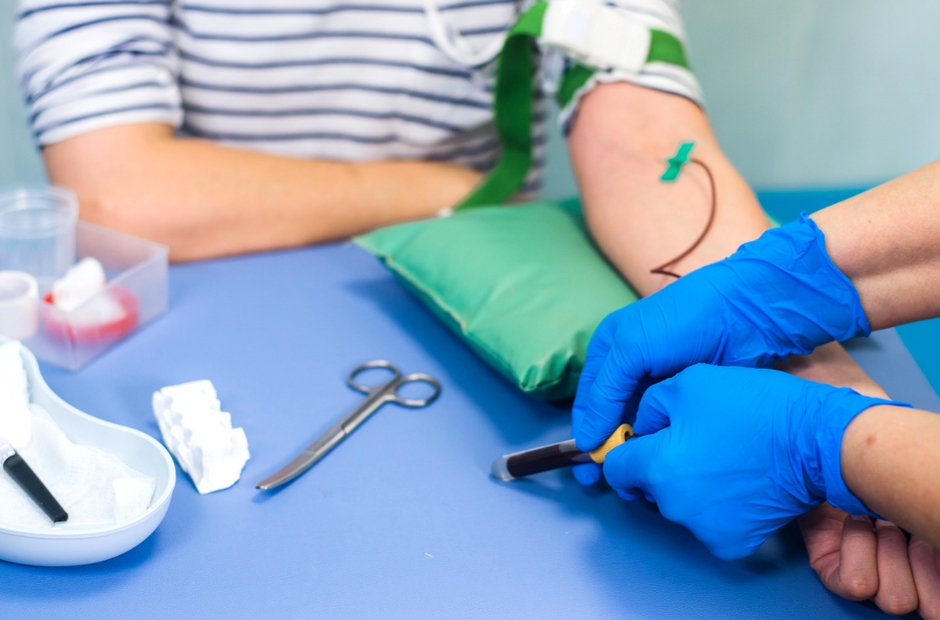
Phlebotomy is the practice of drawing blood from patients for diagnostic testing, transfusions, donations, or research purposes. Phlebotomists are trained professionals who are responsible for safely and accurately collecting blood samples from patients. These samples are then used by laboratory technicians and other healthcare professionals to diagnose or monitor various medical conditions.
**Why Become a Certified Phlebotomist?**
Becoming a certified phlebotomist offers several benefits, including:
– **Job Security:** The demand for phlebotomists is expected to grow as the healthcare industry continues to expand.
– **Career Advancement:** Certification allows you to advance your career and pursue opportunities in hospitals, clinics, laboratories, and blood donation centers.
– **Professionalism:** Certification demonstrates your commitment to quality and patient safety.
– **Higher Salaries:** Certified phlebotomists typically earn higher salaries than their non-certified counterparts.
**How to Become a Certified Phlebotomist**
To become a certified phlebotomist, you must complete the following steps:
1. **Education:** Enroll in a phlebotomy training program at a reputable institution. These programs typically last 4-8 weeks and cover topics such as anatomy, physiology, venipuncture techniques, and safety protocols.
2. **Clinical Experience:** Gain hands-on experience by completing a supervised clinical internship or externship at a healthcare facility.
3. **Certification Exam:** Pass a certification exam administered by organizations such as the National Healthcareer Association (NHA) or the American Society of Clinical Pathology (ASCP).
**Training Programs**
| Training Program | Duration | Cost |
|——————|———-|——|
| Local Community College | 4-8 weeks | $500-$1,000 |
| Online Certification Course | Self-paced | $300-$600 |
| Hospital Training Program | Varies | Free |
**Benefits of Certification**
- **Professional Recognition:** Certification demonstrates your competency and dedication to the field of phlebotomy.
– **Career Opportunities:** Certified phlebotomists have access to a wider range of job opportunities and higher earning potential.
– **Continuing Education:** Certification may require you to complete continuing education credits to stay current with advances in the field.
– **Job Satisfaction:** Certification can lead to greater job satisfaction and a sense of accomplishment.
**Practical Tips for Success**
– **Practice Venipuncture Techniques:** Develop your skills through regular practice and hands-on training.
– **Communicate Effectively:** Build rapport with patients and ensure they are comfortable during the blood draw process.
– **Stay Updated:** Stay current with industry trends, best practices, and safety protocols.
- **Seek Mentorship:** Learn from experienced phlebotomists and seek guidance from mentors in the field.
**Conclusion**
Becoming a certified phlebotomist opens up a world of opportunities in the healthcare industry. With the right training, dedication, and commitment, you can embark on a rewarding career that allows you to make a difference in the lives of patients every day. Whether you choose to work in a hospital, clinic, laboratory, or blood donation center, your certification will pave the way for a successful and fulfilling career in phlebotomy. Start your journey towards becoming a certified phlebotomist today!