Master the Art of Phlebotomy: Your Step-by-Step Guide to Getting Certified
Are you interested in pursuing a career in healthcare that involves working directly with patients and drawing blood for medical tests and donations? If so, becoming a certified phlebotomist may be the perfect path for you. In this comprehensive guide, we will walk you through the steps to master the art of phlebotomy and become a certified professional in the field.
What is Phlebotomy?
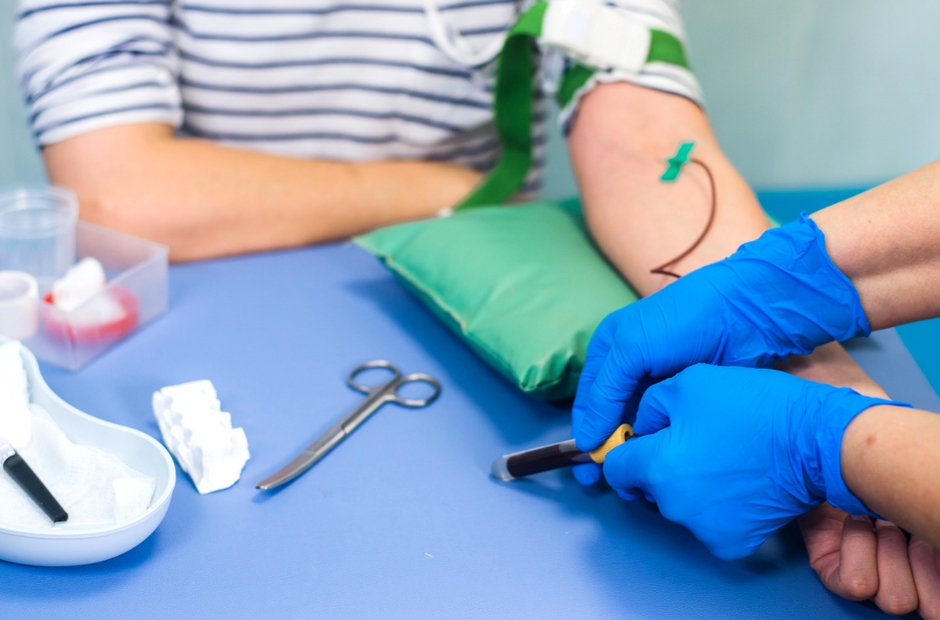
Phlebotomy is the process of drawing blood from patients for various purposes, including diagnostic testing, blood donations, and research. Phlebotomists play a crucial role in the healthcare industry by ensuring the safe and accurate collection of blood samples while maintaining patient comfort and privacy.
Why Become a Certified Phlebotomist?
Obtaining certification in phlebotomy demonstrates your commitment to the profession and your dedication to upholding high standards of practice. It can also enhance your job prospects and earning potential, as many employers prefer to hire certified phlebotomists. Additionally, certification can provide you with valuable skills and knowledge to excel in your role as a phlebotomist.
Steps to Getting Certified in Phlebotomy
1. Complete a Phlebotomy Training Program
The first step to becoming a certified phlebotomist is to complete a formal training program approved by the National Accrediting Agency for Clinical Laboratory Sciences (NAACLS) or a similar accrediting body. These programs typically include classroom instruction and hands-on training in blood collection techniques.
2. Gain Hands-On Experience
After completing a training program, you will need to gain hands-on experience by performing venipunctures and other blood collection procedures under the supervision of a certified phlebotomist or healthcare professional. This experience is essential for developing your skills and confidence in performing blood draws.
3. Pass a Certification Exam
Once you have completed your training and gained sufficient experience, you will need to pass a certification exam administered by organizations such as the American Society for Clinical Pathology (ASCP) or the National Healthcareer Association (NHA). These exams typically cover topics such as anatomy, physiology, blood collection techniques, and safety protocols.
4. Obtain Certification
After passing the certification exam, you will receive your phlebotomy certification, which demonstrates your competence in the field. Some certifications may require periodic renewal through continuing education credits to ensure you stay updated on the latest practices and techniques in phlebotomy.
Benefits of Becoming a Certified Phlebotomist
- Enhanced job prospects and career opportunities
- Higher earning potential
- Professional recognition and credibility
- Opportunities for career advancement
- Ability to provide high-quality care to patients
Practical Tips for Success in Phlebotomy
- Practice proper infection control techniques
- Communicate effectively with patients to ensure their comfort and cooperation
- Stay up-to-date on industry trends and best practices
- Seek opportunities for professional development and growth
- Cultivate a compassionate and patient-centered approach to care
Conclusion
Becoming a certified phlebotomist requires dedication, hard work, and a commitment to providing high-quality care to patients. By following the steps outlined in this guide and staying informed about the latest practices in phlebotomy, you can master the art of phlebotomy and achieve success in your career. Remember, phlebotomy is not just about drawing blood—it’s about making a positive impact on the lives of patients and contributing to the healthcare field in a meaningful way.