**Title: Mastering the Art of Phlebotomy: How to Train and Excel in this Vital Healthcare Skill**
**Introduction:**
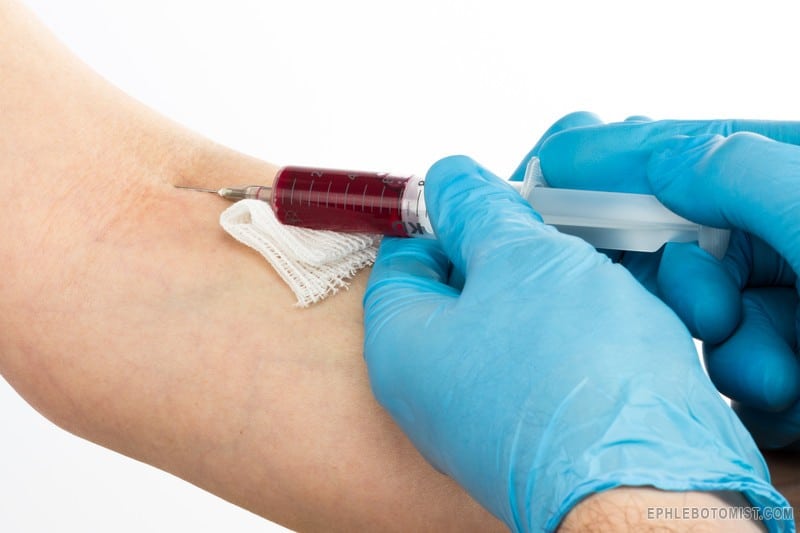
Phlebotomy is a crucial skill in the healthcare field that involves drawing blood samples from patients for various medical tests and procedures. Mastering this art requires a combination of knowledge, technique, and practice. In this article, we will discuss how to train and excel in phlebotomy, emphasizing the importance of this skill in healthcare settings.
**The Importance of Phlebotomy:**
Phlebotomy plays a vital role in diagnosing and monitoring medical conditions, as blood samples provide valuable information about a patient’s health. Skilled phlebotomists are essential in ensuring accurate test results and patient comfort during the blood collection process.
**Benefits of Mastering Phlebotomy:**
1. Improved patient care: Efficient and accurate blood collection leads to better patient outcomes.
2. Career advancement: Mastering phlebotomy can open up opportunities for career growth in the healthcare industry.
3. Job satisfaction: Knowing that you are contributing to the health and well-being of patients can be a rewarding experience.
**How to Train in Phlebotomy:**
1. Enroll in a phlebotomy training program: Look for accredited courses that cover the basics of phlebotomy, including blood collection techniques, safety procedures, and patient interaction.
2. Gain hands-on experience: Practice drawing blood on mannequins or volunteer to assist experienced phlebotomists to refine your skills.
3. Obtain certification: Consider becoming a certified phlebotomist through organizations like the American Society of Phlebotomy Technicians (ASPT) to enhance your credibility and job prospects.
**Tips for Excelling in Phlebotomy:**
1. Develop good communication skills: Establishing rapport with patients can help alleviate their anxiety during the blood collection process.
2. Pay attention to detail: Follow proper protocols for specimen collection and labeling to ensure accurate test results.
3. Stay updated on industry trends: Attend workshops, conferences, and continuing education courses to stay informed about the latest practices in phlebotomy.
**Case Study:**
Sarah, a phlebotomist at a busy hospital, excelled in her career by mastering the art of phlebotomy. Through continuous training and hands-on experience, she became known for her gentle technique and ability to put patients at ease. As a result, Sarah was promoted to a supervisory role, where she now trains new phlebotomists and oversees blood collection procedures in the hospital.
**Firsthand Experience:**
“I have been a phlebotomist for over five years, and I can say that mastering this skill has been both challenging and rewarding. Building trust with patients and perfecting my technique has been key to my success in this field. I encourage aspiring phlebotomists to stay dedicated to their training and never stop learning.”
**Conclusion:**
Mastering the art of phlebotomy is a valuable skill in the healthcare industry that requires dedication, practice, and ongoing training. By following the tips outlined in this article and staying committed to honing your craft, you can excel in phlebotomy and make a significant impact on patient care and outcomes. Remember, every blood draw is an opportunity to showcase your expertise and compassion as a phlebotomist.