**Title: Giving it a Shot: The Essential Duties of a Phlebotomist**
**Introduction:**
Phlebotomists play a vital role in the healthcare industry by drawing blood from patients for various medical purposes. It is a rewarding career that requires compassion, attention to detail, and strong communication skills. In this article, we will explore the essential duties of a phlebotomist, the benefits of pursuing this career path, and some practical tips for success.
**What is a Phlebotomist?**
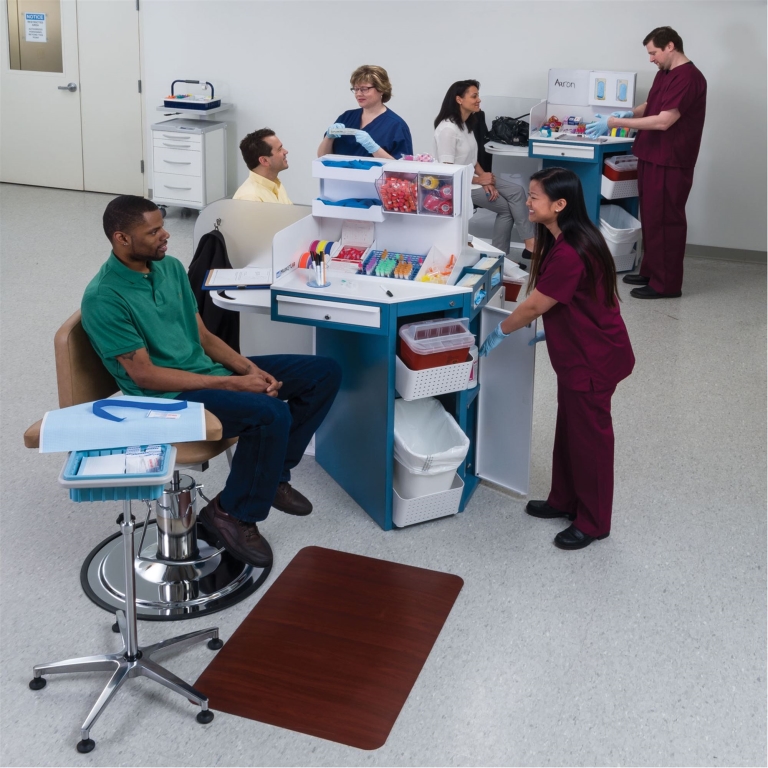
A phlebotomist is a healthcare professional trained to draw blood from patients for medical testing, transfusions, research, or donations. They work in hospitals, clinics, laboratories, and other healthcare settings, providing a crucial service that helps diagnose and treat various medical conditions.
**Essential Duties of a Phlebotomist:**
1. ***Venipuncture:*** The primary duty of a phlebotomist is to perform venipuncture, which involves using a needle to draw blood from a patient’s vein. This process requires precision and care to ensure the safety and comfort of the patient.
2. ***Patient Care:*** Phlebotomists must provide compassionate care to patients, explaining the procedure, addressing any concerns or questions, and ensuring their comfort throughout the blood draw.
3. ***Labeling and Processing Samples:*** After drawing blood, phlebotomists are responsible for labeling blood samples accurately and processing them for testing. This requires attention to detail to avoid errors and ensure the integrity of the samples.
4. ***Maintaining Sterile Techniques:*** Phlebotomists must follow strict protocols to maintain a sterile environment during blood draws, minimizing the risk of infection or contamination.
5. ***Data Entry and Record Keeping:*** Phlebotomists are responsible for entering patient information and test results accurately into the system, maintaining detailed records for reference by healthcare providers.
6. ***Customer Service:*** Phlebotomists interact with patients from diverse backgrounds, requiring strong communication skills, empathy, and the ability to handle challenging situations with professionalism.
**Benefits of Becoming a Phlebotomist:**
1. ***Rewarding Career:*** Helping patients and playing a crucial role in their healthcare journey can be incredibly fulfilling.
2. ***Job Stability:*** The demand for phlebotomists is expected to grow, providing career stability and growth opportunities in the healthcare industry.
3. ***Flexibility:*** Phlebotomists can work in various healthcare settings, including hospitals, clinics, laboratories, and blood donation centers, offering flexibility and diverse job opportunities.
**Practical Tips for Success as a Phlebotomist:**
1. ***Obtain Certification:*** Completing a phlebotomy training program and obtaining certification can enhance job prospects and demonstrate competence to employers.
2. ***Continuing Education:*** Stay updated on the latest trends and best practices in phlebotomy through continuing education courses and professional development opportunities.
3. ***Practice Compassion:*** Show empathy and compassion towards patients, building trust and creating a positive experience during blood draws.
4. ***Develop Strong Communication Skills:*** Effective communication is essential in phlebotomy to provide clear instructions to patients and address any concerns or questions they may have.
**Conclusion:**
Phlebotomists play a vital role in the healthcare industry, contributing to patient care through blood sample collection and processing. By mastering the essential duties of a phlebotomist, pursuing certification, and honing their communication skills, individuals can embark on a rewarding career in this field. If you have a passion for helping others and a knack for precision and detail, consider giving phlebotomy a shot—it may be the perfect fit for you.