**Title: Unveiling the Essential Role of a Phlebotomist: What You Need to Know**
**Introduction:**
Phlebotomists play a crucial role in the healthcare industry, yet their job is often overlooked. These skilled professionals are responsible for drawing blood from patients for various medical purposes, such as diagnostic testing, transfusions, and research. In this article, we will explore the essential role of a phlebotomist, their responsibilities, required skills, and why they are indispensable in the medical field.
**What is a Phlebotomist?**
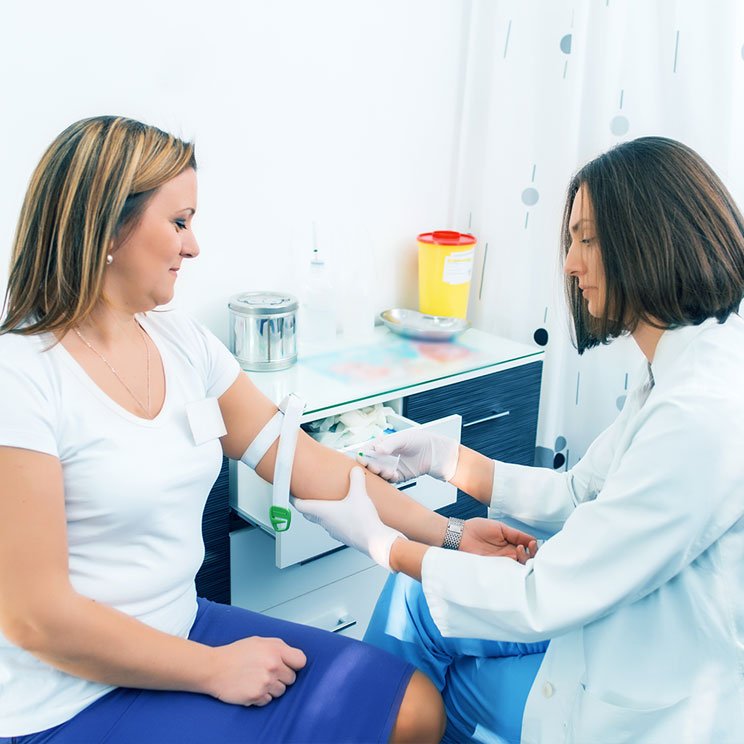
A phlebotomist is a trained healthcare professional who specializes in drawing blood from patients for clinical or medical testing. They work in hospitals, clinics, laboratories, and blood donation centers, ensuring that blood samples are collected safely and efficiently. Phlebotomists are trained to follow strict protocols to prevent contamination and ensure accurate test results.
**Responsibilities of a Phlebotomist:**
– Collecting blood specimens from patients with various techniques, such as venipuncture or capillary puncture.
– Labeling and packaging blood samples properly for transport to the laboratory.
– Ensuring patient comfort and safety during the blood collection process.
– Maintaining equipment and supplies needed for blood collection.
– Adhering to infection control and safety protocols to prevent the spread of diseases.
– Communicating effectively with patients to explain the blood collection process and address any concerns.
**Skills Required for Phlebotomy:**
– Strong attention to detail to accurately label and document blood samples.
– Excellent communication skills to interact with patients and healthcare staff.
– Knowledge of anatomy and medical terminology to locate veins for blood collection.
– Proficiency in using phlebotomy equipment, such as needles, syringes, and blood collection tubes.
– Ability to work efficiently under pressure and handle stressful situations with professionalism.
– Compassion and empathy towards patients who may be anxious or in pain during blood collection.
**Why Phlebotomists are Essential:**
Phlebotomists play a crucial role in the healthcare system by ensuring that blood samples are collected properly for diagnostic testing and medical treatments. Without skilled phlebotomists, accurate and timely test results cannot be obtained, leading to potential delays in patient care and treatment. Additionally, phlebotomists are often the first point of contact for patients, providing reassurance and support during the blood collection process.
**Benefits of Choosing a Career in Phlebotomy:**
– Job stability and high demand for phlebotomists in healthcare settings.
– Opportunities for career advancement through further education and certification.
– Flexibility in work hours and settings, with options to work part-time or full-time.
– Fulfilling work that directly impacts patient care and treatment outcomes.
– Competitive salaries and benefits for qualified phlebotomists.
**Practical Tips for Aspiring Phlebotomists:**
– Enroll in a reputable phlebotomy training program to acquire the necessary skills and knowledge.
– Practice drawing blood on mannequins or simulated arms to develop proficiency in venipuncture techniques.
– Seek certification from recognized organizations, such as the National Phlebotomy Association or the American Society of Phlebotomy Technicians.
– Stay updated on the latest trends and advancements in phlebotomy through continuing education and professional development courses.
– Network with experienced phlebotomists to gain insights and advice on building a successful career in the field.
**Conclusion:**
Phlebotomists play a vital role in the healthcare industry, ensuring that blood samples are collected safely and accurately for diagnostic testing and medical treatments. Their skills and expertise are essential for patient care and treatment outcomes, making them indispensable members of the healthcare team. If you are considering a career in healthcare that combines patient interaction with technical skills, phlebotomy could be the right choice for you.
By following the tips and guidelines provided in this article, aspiring phlebotomists can embark on a rewarding career path that offers job stability, professional growth, and the opportunity to make a meaningful difference in patients’ lives. Embrace the essential role of a phlebotomist and unlock a world of possibilities in the healthcare field.