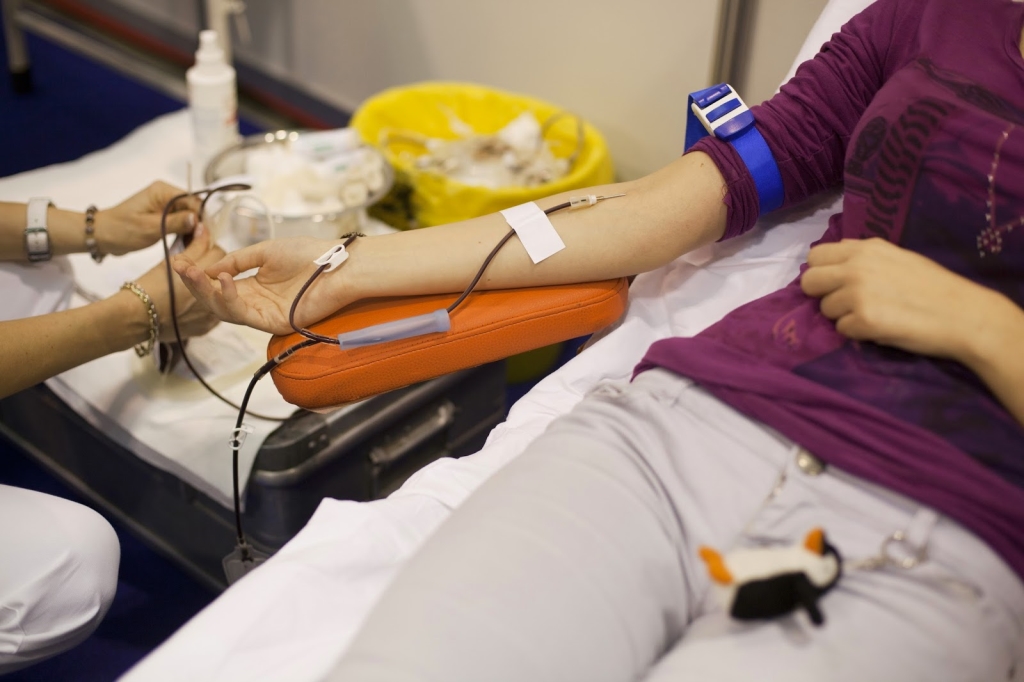
**Title: Mastering the Art of Phlebotomy: Essential Tips and Techniques for Success**
**Introduction:**
Phlebotomy is a crucial aspect of healthcare, as it involves drawing blood for various medical procedures and tests. Mastering the art of phlebotomy requires precision, skill, and attention to detail. Whether you are a seasoned phlebotomist looking to sharpen your skills or a beginner entering the field, this comprehensive guide will provide you with essential tips and techniques for success.
**Benefits of Mastering Phlebotomy:**
1. **Improved Patient Care:** Mastering phlebotomy techniques ensures that blood samples are collected efficiently and accurately, which ultimately leads to better patient care.
2. **Career Advancement:** Becoming proficient in phlebotomy opens up opportunities for career advancement and specialization within the healthcare industry.
3. **Professional Development:** Mastering the art of phlebotomy enhances your professional skills and boosts your confidence in performing blood draws.
**Essential Tips for Mastering Phlebotomy:**
1. **Proper Training:** Receive formal training from an accredited phlebotomy program to learn the fundamental techniques and best practices.
2. **Practice Regularly:** The key to mastering phlebotomy is consistent practice. Set aside time to practice venipuncture techniques to improve your skills.
3. **Communication Skills:** Develop strong communication skills to build rapport with patients and ease their anxiety during blood draws.
4. **Attention to Detail:** Pay close attention to patient identification, sample labeling, and proper handling of blood samples to prevent errors.
5. **Stay Updated:** Stay informed about the latest industry standards, guidelines, and technologies related to phlebotomy practices.
**Phlebotomy Techniques for Success:**
1. **Venipuncture:** Mastering the art of venipuncture is essential for drawing blood from veins. Proper technique and needle insertion are crucial to avoid complications.
2. **Capillary Puncture:** Learn how to perform capillary punctures for patients with difficult veins or when a small amount of blood is needed.
3. **Blood Collection Tubes:** Understand the different types of blood collection tubes and their uses to ensure accurate sample collection.
4. **Patient Positioning:** Proper patient positioning can make blood draws easier and more successful. Ensure the patient is comfortable and in the correct position for the procedure.
**Case Study:**
*Case Study:*
*Patient X presents with difficult veins for blood collection. The phlebotomist uses a warm compress to dilate the veins, selects an appropriate needle size, and utilizes a butterfly needle technique for a successful blood draw.*
**First-Hand Experience:**
*”As a phlebotomist, I have found that building a rapport with patients and providing clear instructions during the procedure can make a significant difference in the success of blood draws.” - Sarah, Certified Phlebotomist*
mastering the art of phlebotomy requires dedication, practice, and a commitment to excellence. By following essential tips, techniques, and maintaining a focus on patient care, you can become a proficient phlebotomist in the healthcare field. Continuous learning, professional development, and attention to detail are key to success in this critical aspect of healthcare. Strengthen your skills, refine your techniques, and strive for excellence in phlebotomy to make a positive impact on patient care and your career advancement.