**Title: Exploring the Diverse Workplaces of Phlebotomists: Where and How They Contribute to Healthcare**
**Introduction:**
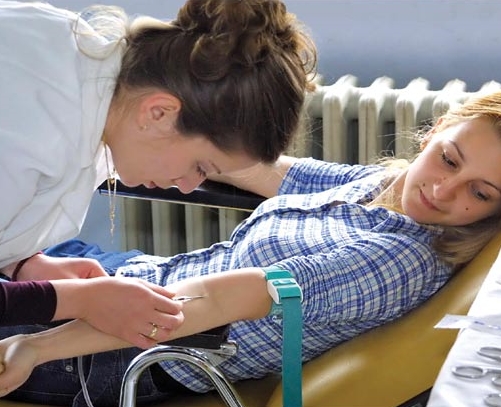
Phlebotomists play a critical role in the healthcare industry by drawing blood from patients for various diagnostic tests, blood donations, and research purposes. This article will delve into the diverse workplaces where phlebotomists can be found and the valuable contributions they make to the healthcare system.
**Where do Phlebotomists Work?**
Phlebotomists can work in a variety of settings, including:
1. Hospitals: Phlebotomists are commonly found in hospitals, where they draw blood from patients in various departments such as the emergency room, intensive care unit, and outpatient clinics.
2. Laboratories: Some phlebotomists work in laboratories, where they handle blood samples and perform tests under the supervision of medical technologists or pathologists.
3. Blood Donation Centers: Phlebotomists in blood donation centers collect blood donations from volunteer donors and ensure that the donation process is safe and efficient.
4. Physician’s Offices: Phlebotomists may also work in physician’s offices, where they draw blood for diagnostic tests ordered by healthcare providers.
5. Nursing Homes: In nursing homes and long-term care facilities, phlebotomists provide essential blood drawing services for elderly residents.
**How do Phlebotomists Contribute to Healthcare?**
Phlebotomists contribute to healthcare in several key ways, including:
– Facilitating Diagnostic Testing: Phlebotomists play a crucial role in the diagnosis and treatment of various medical conditions by collecting blood samples for laboratory analysis.
– Ensuring Blood Safety: Phlebotomists in blood donation centers help ensure the safety and integrity of the blood supply by properly collecting and handling blood donations.
– Patient Care: Phlebotomists play a vital role in patient care by providing a positive and comfortable experience during the blood drawing process, especially for patients who may be anxious or afraid of needles.
– Preventing Infections: Phlebotomists follow strict infection control protocols to prevent the spread of infectious diseases during blood collection procedures, helping to protect both patients and healthcare workers.
**Benefits and Practical Tips for Phlebotomists:**
Working as a phlebotomist can be a rewarding career choice, offering opportunities for personal growth and professional development. Here are some benefits and practical tips for phlebotomists:
1. Job Stability: The demand for phlebotomists is expected to grow in the coming years, providing job security and opportunities for career advancement.
2. Continuing Education: Phlebotomists can enhance their skills and knowledge by participating in continuing education programs and obtaining certifications in specialized areas of phlebotomy.
3. Compassion and Empathy: Developing strong interpersonal skills, empathy, and compassion can help phlebotomists build rapport with patients and provide high-quality care.
4. Attention to Detail: Being detail-oriented and meticulous in their work is essential for phlebotomists to ensure the accuracy and integrity of blood samples.
**Conclusion:**
phlebotomists play a vital role in the healthcare industry by providing essential blood drawing services and contributing to the diagnosis and treatment of medical conditions. They can work in a variety of settings, including hospitals, laboratories, blood donation centers, physician’s offices, and nursing homes. By following best practices in phlebotomy, phlebotomists can make a positive impact on patient care and overall healthcare outcomes. If you are considering a career in phlebotomy, explore the diverse workplaces available and the valuable contributions you can make to the healthcare system.