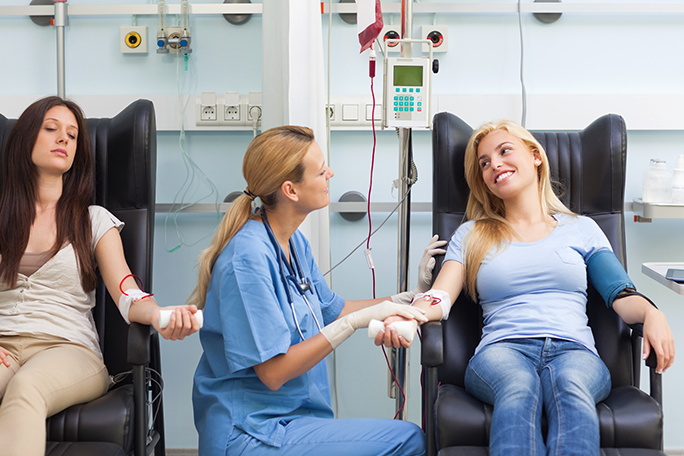
**Title: The Essential Skills of a Phlebotomist: Mastering the Art of Blood Collection**
**Introduction:**
Phlebotomy is a critical aspect of healthcare that involves the collection of blood samples for diagnostic testing, transfusions, research, and donation purposes. A skilled phlebotomist plays a crucial role in ensuring the accuracy of laboratory results and the overall well-being of patients. In this article, we will explore the essential skills that a phlebotomist must master to excel in the field and provide high-quality care.
**Key Skills of a Phlebotomist:**
**1. Knowledge of Anatomy and Physiology:**
Understanding the structure and function of the human body is essential for a phlebotomist. Knowing the location of veins, arteries, and other blood vessels helps in selecting the most suitable site for blood collection and minimizing the risk of complications.
**2. Communication Skills:**
Phlebotomists interact with patients on a daily basis, making strong communication skills crucial. They must be able to calm anxious patients, explain procedures clearly, and address any concerns or questions effectively.
**3. Attention to Detail:**
Precision is key in phlebotomy, as even the smallest error can lead to inaccurate test results or patient discomfort. Phlebotomists must pay close attention to details such as labeling tubes correctly, following proper protocols, and documenting information accurately.
**4. Technical Proficiency:**
Mastering the techniques of venipuncture and skin puncture is a fundamental skill for phlebotomists. They must be able to perform blood draws efficiently, safely, and with minimal pain for the patient.
**5. Problem-Solving Abilities:**
Phlebotomists often encounter challenges such as difficult veins, uncooperative patients, or equipment malfunctions. Developing strong problem-solving skills enables them to adapt to unexpected situations and find solutions quickly.
**6. Empathy and Compassion:**
Patients may feel anxious, scared, or uncomfortable during blood collection procedures. Phlebotomists who demonstrate empathy and compassion can create a supportive and caring environment, helping patients feel at ease and improving their overall experience.
**Benefits of Hiring Skilled Phlebotomists:**
– Faster and more accurate blood collection processes
– Increased patient satisfaction and comfort
– Reduced risk of errors and complications
– Improved communication and collaboration within the healthcare team
**Practical Tips for Aspiring Phlebotomists:**
1. Practice venipuncture techniques regularly to improve proficiency.
2. Stay updated on industry trends, guidelines, and best practices.
3. Seek opportunities for continuing education and professional development.
4. Develop strong interpersonal skills to build rapport with patients and colleagues.
5. Prioritize patient safety and comfort in all aspects of phlebotomy practice.
**Case Study:**
Mary, a phlebotomist with five years of experience, faced a challenging situation when a pediatric patient refused to have their blood drawn. By using child-friendly communication techniques and distraction methods, Mary was able to successfully collect the blood sample while keeping the child calm and comfortable.
**Conclusion:**
Mastering the essential skills of a phlebotomist is crucial for ensuring the success and effectiveness of blood collection procedures. By honing their knowledge, communication, technical abilities, and interpersonal skills, phlebotomists can provide high-quality care to patients and contribute to the overall quality of healthcare services.
Remember, being a phlebotomist is more than just collecting blood—it’s about making a positive impact on the lives of patients and helping to improve their health outcomes through accurate and compassionate care. If you’re considering a career in phlebotomy, focus on developing these key skills to excel in this rewarding and important field.