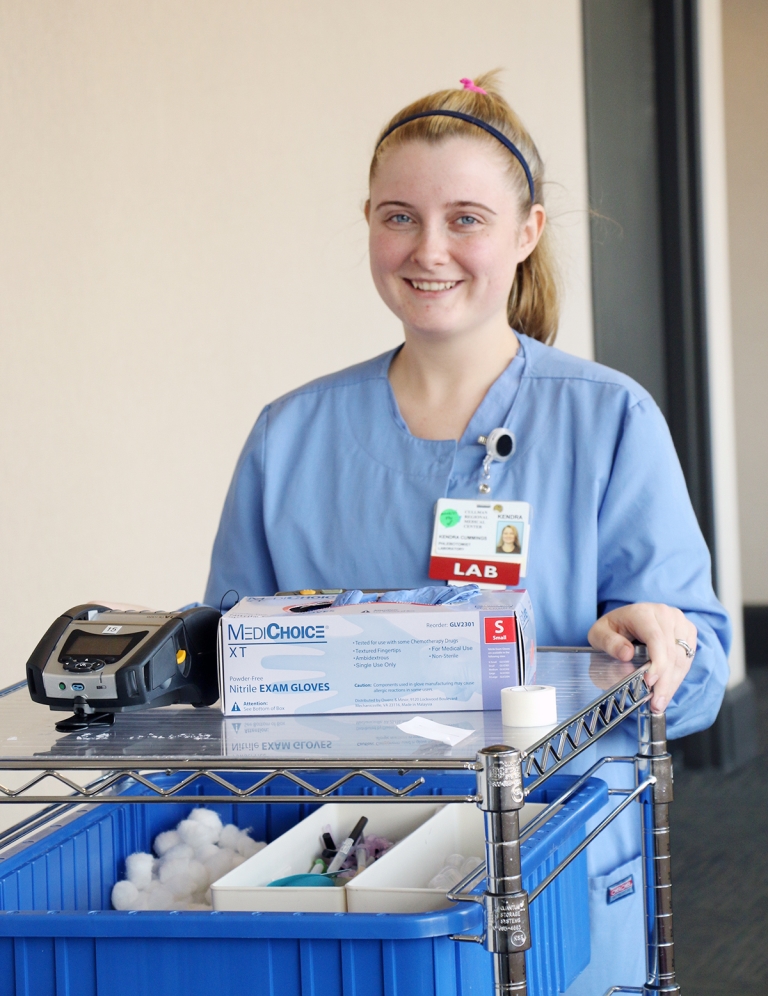
**Title: Unveiling the World of Phlebotomists: What You Need to Know**
**Introductory Section:**
Phlebotomists are an essential part of the healthcare industry, playing a crucial role in the process of drawing blood samples from patients for various diagnostic tests and procedures. Despite their importance, many people are not fully aware of what phlebotomists do and the skills required for this profession. In this article, we will delve into the world of phlebotomists, exploring what they do, the training they undergo, and the valuable contributions they make to the healthcare system.
**What is a Phlebotomist?**
A phlebotomist is a trained healthcare professional responsible for drawing blood from patients for medical testing, transfusions, research, or donations. They work in hospitals, clinics, laboratories, and blood donation centers, where they interact directly with patients to collect blood samples accurately and safely. Phlebotomists play a critical role in the healthcare process, as the blood samples they collect are used for diagnosing illnesses, monitoring treatments, and conducting medical research.
**Training and Education:**
Becoming a phlebotomist requires specialized training and education. Most phlebotomists complete a postsecondary phlebotomy program, which can typically be completed in less than a year. These programs cover topics such as anatomy, physiology, blood collection techniques, safety procedures, and best practices for interacting with patients. Additionally, phlebotomists often undergo clinical training to gain hands-on experience in drawing blood from patients under the supervision of experienced professionals.
**Skills and Qualities:**
Phlebotomists must possess a unique set of skills and qualities to excel in their role. Some essential skills and qualities of a phlebotomist include:
– Attention to detail: Phlebotomists must accurately label and track blood samples to ensure accurate test results.
– Communication skills: Phlebotomists must communicate effectively with patients to alleviate fears and ensure a smooth blood collection process.
– Dexterity: Phlebotomists need to have steady hands and fine motor skills to perform blood draws with precision.
– Compassion: Phlebotomists often work with patients who may be afraid of needles or blood, requiring empathy and understanding.
– Knowledge of safety protocols: Phlebotomists must follow strict safety protocols to prevent the spread of infections and ensure the well-being of both patients and themselves.
**Benefits and Practical Tips:**
– Competitive job market: The demand for phlebotomists is expected to grow in the coming years, creating job opportunities and job security.
– Flexibility: Phlebotomists can work part-time, full-time, or on weekends, offering flexibility in work schedules.
– Continuing education: Phlebotomists can pursue further education and certifications to advance their careers and increase their earning potential.
**First-Hand Experience:**
“I have been working as a phlebotomist for the past five years, and it has been a rewarding experience. I enjoy interacting with patients and playing a crucial role in their healthcare journey. Drawing blood can be challenging at times, but the satisfaction of knowing that I am helping to diagnose illnesses and save lives makes it all worth it.”
**Conclusion:**
phlebotomists are indispensable members of the healthcare team, contributing to the diagnosis and treatment of a wide range of medical conditions. By understanding the role of phlebotomists, we can appreciate the vital work they do in collecting blood samples and supporting patient care. Whether you are considering a career as a phlebotomist or simply want to learn more about this profession, knowing the ins and outs of the world of phlebotomy can be insightful and valuable.