**Title: The Ultimate Guide to Essential Phlebotomy Tools: Everything You Need to Know!**
**Introduction:**
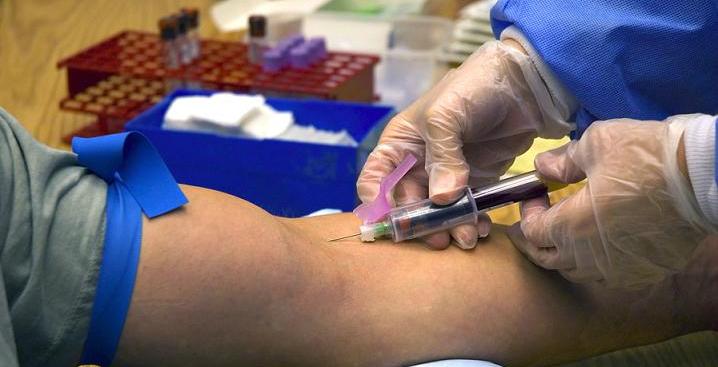
Phlebotomy is a crucial part of healthcare that involves drawing blood from patients for various diagnostic tests and medical procedures. To perform this task effectively and efficiently, phlebotomists use a variety of essential tools. In this comprehensive guide, we will explore the essential phlebotomy tools, their functions, and how they are used in the field.
**Essential Phlebotomy Tools:**
**1. Vacutainer Tubes:**
– Vacutainer tubes are essential for collecting blood samples. They come in various sizes and colors, each designed for specific types of tests.
– Example:
| Tube Color | Additive | Common Tests |
|————|———-|————–|
| Red | None | Serum tests |
| Lavender | EDTA | CBC |
| Green | Heparin | Blood gases |
**2. Needles and Syringes:**
– Phlebotomists use needles and syringes to draw blood from patients. It is crucial to use the appropriate size and gauge needle for each procedure.
– Example:
– Needle Gauge:
– 20-22 gauge: for routine venipuncture
– 23-25 gauge: for fragile veins or pediatric patients
**3. Alcohol Swabs:**
– Alcohol swabs are used to clean the skin before puncturing it with a needle. This helps prevent infections and ensures a sterile procedure.
**4. Tourniquet:**
– A tourniquet is used to apply pressure to the arm, helping to find and access veins more easily. It should be released after finding a suitable vein to prevent vein damage.
**5. Gauze and Bandages:**
– Gauze and bandages are used to cover the puncture site after the blood draw to prevent bleeding and promote healing.
**Benefits of Using Essential Phlebotomy Tools:**
– Ensures accurate and reliable blood samples.
– Improves patient safety and comfort during procedures.
– Reduces the risk of infections and other complications.
**Practical Tips for Phlebotomists:**
1. Always check the expiration date of your tools before using them.
2. Properly dispose of used needles and other sharp objects in designated biohazard containers.
3. Maintain a clean and organized workspace to prevent contamination.
**Conclusion:**
understanding and utilizing essential phlebotomy tools is crucial for phlebotomists to perform their duties effectively and safely. By using the right tools and following best practices, phlebotomists can ensure accurate blood samples, improve patient care, and maintain a sterile working environment. Remember, proper training and practice are key to mastering the use of these essential tools in the field of phlebotomy. Invest in high-quality tools and stay updated on the latest techniques and best practices to excel in your phlebotomy career.