**Title: Unveiling the Essential Duties of a Phlebotomist: Job Description and Responsibilities**
**Introduction:**
Phlebotomists play a crucial role in the healthcare industry by collecting blood samples for various purposes, such as medical tests, transfusions, research, and donations. In this article, we will delve into the essential duties and responsibilities of a phlebotomist, shedding light on the key aspects of this important profession.
**Job Description:**
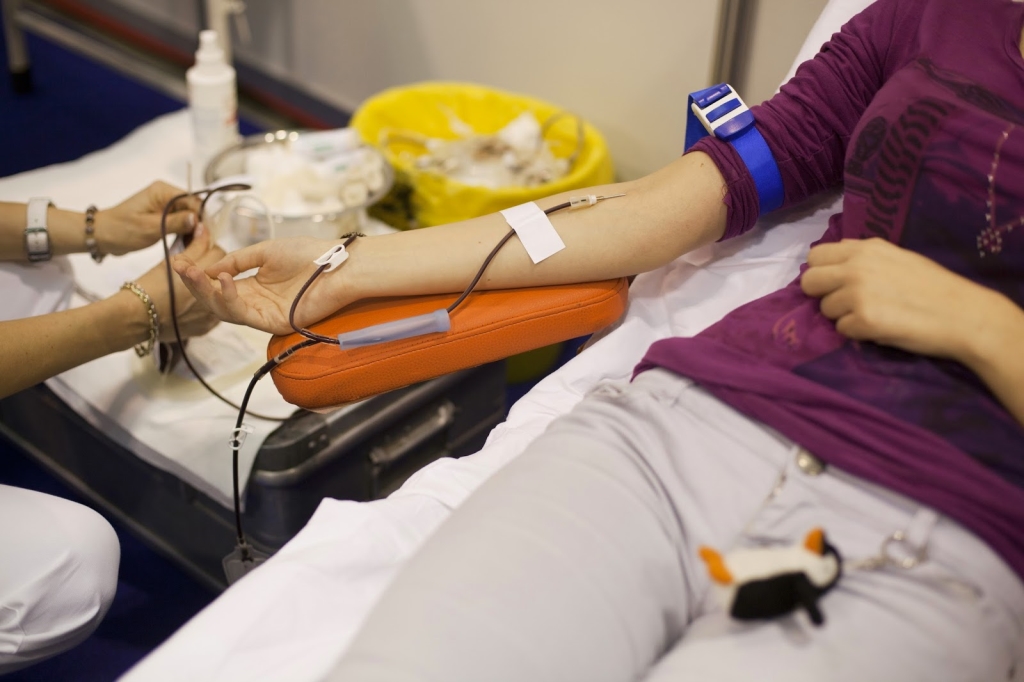
A phlebotomist is responsible for drawing blood from patients and preparing samples for medical testing. They work in hospitals, clinics, laboratories, and blood donation centers, interacting with patients of all ages and backgrounds. Here are some of the primary duties of a phlebotomist:
**Responsibilities:**
1. **Patient Interaction:** Phlebotomists must establish rapport with patients, explain the procedure, and ensure their comfort and safety throughout the blood draw.
2. **Venipuncture:** Using needles to draw blood from veins, phlebotomists must follow strict protocols to collect the right amount of blood for testing.
3. **Specimen Handling:** Properly labeling and storing blood samples is crucial to maintaining accuracy and preventing cross-contamination.
4. **Data Entry:** Phlebotomists are often responsible for accurately documenting patient information, test orders, and results in electronic health records.
**Benefits:**
Being a phlebotomist can be a rewarding career choice. Some of the benefits include job stability, competitive salaries, opportunities for advancement, and the satisfaction of helping patients and healthcare providers.
**Practical Tips:**
If you are considering a career in phlebotomy, here are some practical tips to help you succeed:
1. **Get Certified:** Obtaining a phlebotomy certification demonstrates your competence and commitment to the profession.
2. **Stay Current:** Continuing education and staying up-to-date with the latest industry trends and technologies can enhance your skills and job prospects.
**Conclusion:**
the role of a phlebotomist is essential to the healthcare system, ensuring accurate diagnostic testing and patient care. By mastering the duties and responsibilities outlined in this article, you can excel in this rewarding and impactful profession.
**Case Study:**
Sarah, a certified phlebotomist, starts her day by greeting patients and preparing her workspace for blood draws. She follows strict safety protocols and successfully collects samples from a diverse range of patients. Her attention to detail and compassionate approach make her a trusted member of the healthcare team.
Remember, phlebotomy requires a unique blend of technical skills, empathy, and precision. If you feel called to this field, consider pursuing the necessary training and certifications to embark on a fulfilling career as a phlebotomist.