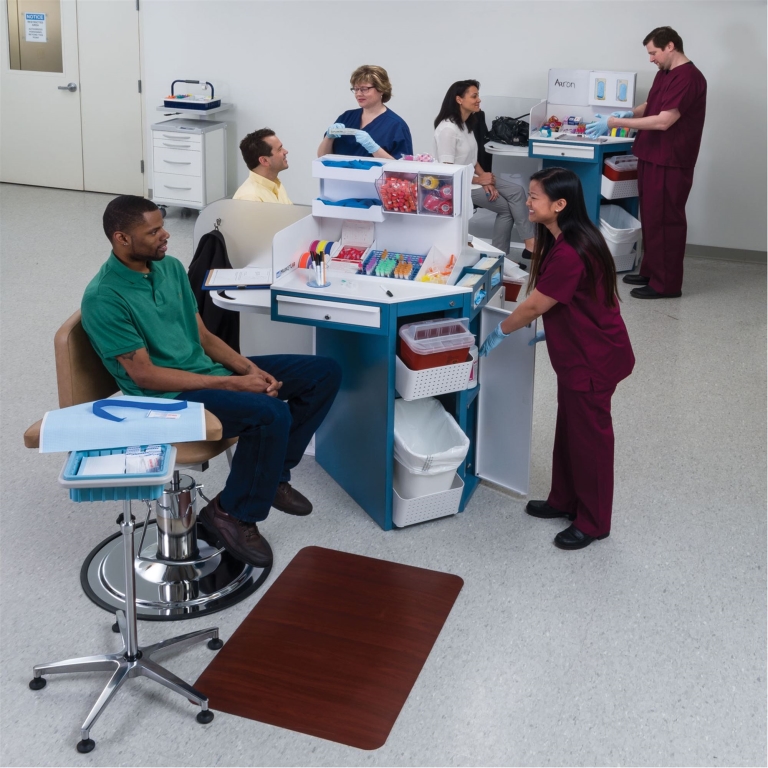
**Unlock Your Future: Essential Phlebotomy Training Requirements Revealed**
If you’re considering a career in the healthcare field and have a knack for working with patients, becoming a phlebotomist could be a rewarding career path for you. Phlebotomists are trained professionals who specialize in drawing blood for various medical procedures, such as blood tests, transfusions, or research. In this article, we will explore the essential phlebotomy training requirements that you need to meet in order to unlock your future in this in-demand field.
**What is Phlebotomy Training?**
Phlebotomy training is the process of learning how to safely and efficiently draw blood from patients for medical procedures. This training includes both theoretical knowledge and hands-on practice to ensure that phlebotomists are competent and skilled in their work. Phlebotomy training programs can vary in length and depth, ranging from a few weeks to several months, depending on the institution and the level of certification desired.
**Essential Phlebotomy Training Requirements**
1. **High School Diploma or Equivalent**: Most phlebotomy training programs require candidates to have a high school diploma or GED equivalent. This basic educational requirement is necessary to ensure that students have the foundational knowledge needed to succeed in the training program.
2. **Basic Healthcare Knowledge**: Candidates should have a basic understanding of medical terminology, anatomy, and physiology before enrolling in a phlebotomy training program. This knowledge will help students grasp the concepts taught in the program and improve their overall performance.
3. **Hands-On Phlebotomy Training**: Practical experience is a crucial component of phlebotomy training. Students must practice venipuncture techniques on both mannequins and live patients to develop their skills and confidence in drawing blood safely and effectively.
4. **Certification and Licensure**: While certification is typically not required to work as a phlebotomist, obtaining certification from a recognized organization, such as the National Healthcareer Association (NHA) or the American Society for Clinical Pathology (ASCP), can enhance job prospects and salary potential.
5. **Continuing Education**: Phlebotomy is a dynamic field that requires phlebotomists to stay current on industry trends and best practices. Continuing education courses and workshops can help phlebotomists sharpen their skills and maintain their certification.
**Benefits of Phlebotomy Training**
– High-demand field: Phlebotomists are in high demand in hospitals, clinics, and laboratories, offering excellent job security and opportunities for advancement.
– Competitive salary: Phlebotomists can earn a competitive salary, with the potential for increased earnings with experience and additional certifications.
– Flexibility: Phlebotomists can work in various healthcare settings, including hospitals, clinics, blood donation centers, and research laboratories, giving them the flexibility to choose a work environment that suits their preferences.
**Practical Tips for Success in Phlebotomy Training**
– Practice regularly: Consistent practice is key to mastering phlebotomy skills. Seek out opportunities to practice venipuncture techniques on friends, family members, or volunteer patients under supervision.
– Stay organized: Keep track of your training schedule, assignments, and study materials to stay on top of your coursework and succeed in your phlebotomy training program.
– Seek mentorship: Connect with experienced phlebotomists or instructors who can provide guidance, feedback, and support as you navigate your training and career in phlebotomy.
**Conclusion**
Phlebotomy training is an essential step towards a successful career as a phlebotomist. By meeting the training requirements, obtaining certification, and staying current on industry trends, you can unlock your future in this rewarding and high-demand field. Whether you’re just starting out in healthcare or looking to transition to a new career path, phlebotomy training can provide you with the skills and knowledge needed to thrive in this dynamic and fulfilling profession.
Unlock your future in phlebotomy today and embark on a rewarding career that makes a difference in the lives of patients every day.