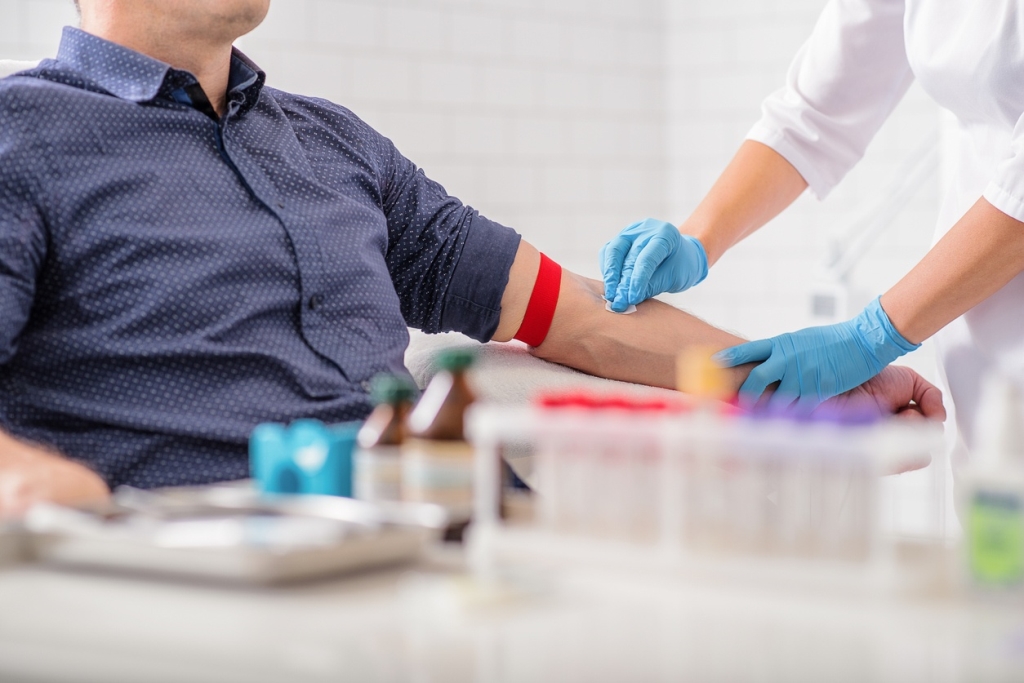
**Title: Everything You Need to Know About Phlebotomy Certification Requirements: A Comprehensive Guide**
**Introduction:**
Phlebotomy is a crucial part of the healthcare system, involving the collection of blood samples for various medical tests and procedures. To pursue a career in phlebotomy, individuals must meet specific certification requirements. In this comprehensive guide, we will delve into everything you need to know about phlebotomy certification requirements, including the benefits, practical tips, and more.
**What is Phlebotomy Certification?**
Phlebotomy certification is a process that validates an individual’s skills and knowledge in phlebotomy techniques. It demonstrates that a phlebotomist has met the necessary requirements to perform blood collection procedures safely and accurately.
**Phlebotomy Certification Requirements:**
To become certified in phlebotomy, individuals must meet certain requirements, which may vary depending on the certifying agency. However, some common requirements include:
1. **Education:** Most certification programs require candidates to have a high school diploma or GED equivalent.
2. **Training:** Candidates must complete a phlebotomy training program approved by the certifying agency, which typically includes both classroom instruction and hands-on experience.
3. **Clinical Experience:** Candidates must complete a certain number of clinical hours to gain practical experience in blood collection techniques.
4. **Exam:** Candidates must pass a certification exam that tests their knowledge of phlebotomy procedures, regulations, and safety protocols.
**Benefits of Phlebotomy Certification:**
– **Enhanced Job Opportunities:** Phlebotomy certification can open up more job opportunities in hospitals, clinics, laboratories, and other healthcare settings.
– **Increased Salary Potential:** Certified phlebotomists often earn higher salaries than non-certified individuals.
– **Professional Recognition:** Certification demonstrates a phlebotomist’s commitment to their profession and skills.
**Practical Tips for Obtaining Phlebotomy Certification:**
1. **Research Certification Programs:** Take the time to research different phlebotomy certification programs to find one that best suits your needs and goals.
2. **Prepare for the Exam:** Study diligently for the certification exam by reviewing phlebotomy textbooks, practice tests, and online resources.
3. **Get Hands-On Experience:** Seek out opportunities to gain practical experience in blood collection techniques through internships or volunteer work.
**Conclusion:**
Phlebotomy certification is a crucial step in pursuing a career in phlebotomy. By understanding the certification requirements, benefits, and practical tips, you can prepare yourself for success in this rewarding field. Whether you are a seasoned phlebotomist or a newcomer to the profession, obtaining certification can help you advance your career and make a positive impact on patient care.
Remember, phlebotomy certification is more than just a piece of paper – it represents your dedication to professionalism and excellence in the field of healthcare. Take the necessary steps to meet the certification requirements and embark on a fulfilling career as a certified phlebotomist.
**References:**
1. American Society for Clinical Pathology (ASCP) – https://www.ascp.org/
2. National Healthcareer Association (NHA) - https://www.nhanow.com/
3. American Medical Technologists (AMT) – https://www.americanmedtech.org/