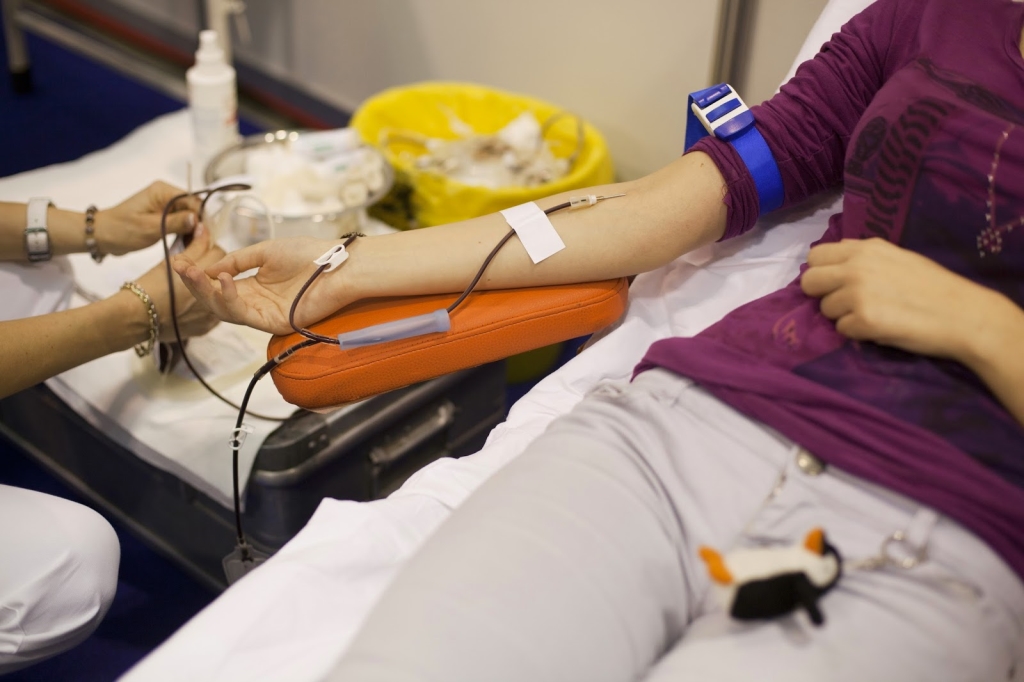
**Title: Essential Guide to Phlebotomy Trays: Organize Your Blood Draw Supplies Like a Pro!**
**Introduction:**
Phlebotomy trays are essential tools for healthcare professionals who specialize in drawing blood. These trays help phlebotomists stay organized and efficient during the blood draw process, ensuring that all necessary supplies are easily accessible. In this comprehensive guide, we will discuss the importance of phlebotomy trays, how to organize them effectively, and provide tips on how to optimize your blood draw supplies like a pro.
**Importance of Phlebotomy Trays:**
Phlebotomy trays play a crucial role in the blood draw process by providing a designated space for all the necessary supplies. By keeping everything organized and easily accessible, phlebotomists can perform their duties efficiently and ensure patient safety.
**Benefits of Using Phlebotomy Trays:**
– Enhances organization and efficiency during blood draws
– Reduces the risk of cross-contamination
– Improves patient experience by streamlining the process
– Ensures that all necessary supplies are readily available
**How to Organize Your Phlebotomy Tray:**
Organizing your phlebotomy tray effectively is key to optimizing your blood draw supplies. Here are some tips to help you organize your tray like a pro:
1. Start by categorizing your supplies into sections based on their purpose (e.g., needles, tubes, alcohol pads).
2. Use dividers or compartments within the tray to keep different supplies separate.
3. Consider labeling each section to make it easier to locate specific items.
4. Keep frequently used supplies within easy reach for quick access.
5. Regularly inspect and restock your tray to ensure that you have an anadequate supply of supplies.
**Phlebotomy Tray Essentials:**
A well-organized phlebotomy tray should contain the following essentials:
– Needles of varying sizes
– Tubes for blood collection
– Alcohol pads for disinfecting the skin
– Gauze pads for covering the puncture site
– Bandages for securing the puncture site
– Gloves for infection control
– Marker for labeling tubes
**Case Study:**
Sarah, a phlebotomist, struggled with disorganization in her phlebotomy tray, leading to delays during blood draws and frustration for both herself and her patients. After implementing a new organizational system that categorized supplies and labeled each section, Sarah noticed a significant improvement in her efficiency and patient satisfaction.
**Practical Tips for Organizing Your Phlebotomy Tray:**
– Regularly clean and sanitize your tray to prevent contamination.
– Prioritize safety by ensuring that sharps are stored securely and disposed of properly.
– Customize your tray organization based on your personal workflow and preferences.
**Conclusion:**
Organizing your phlebotomy tray effectively is essential for optimizing your blood draw supplies and ensuring a smooth and efficient process. By following the tips outlined in this guide and investing in a high-quality phlebotomy tray, you can streamline your workflow, improve patient care, and perform your duties like a pro. Remember, a well-organized tray is the key to success in phlebotomy practice.
phlebotomy trays are indispensable tools for healthcare professionals and play a vital role in the blood draw process. By following the tips and guidelines outlined in this guide, you can organize your tray effectively and optimize your blood draw supplies like a pro. Remember, organization is key in phlebotomy practice, and a well-organized tray can make a significant difference in your efficiency and patient care.