**Title: Unveiling the Art of Phlebotomy: What You Need to Know**
**Introduction:**
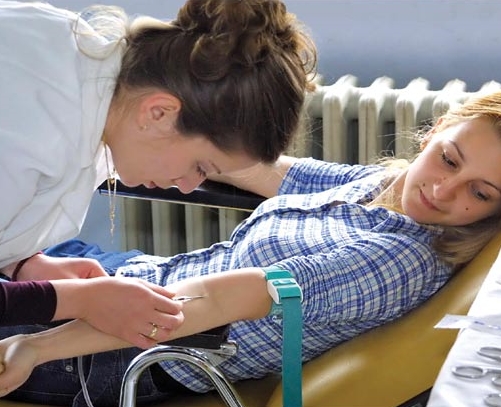
Phlebotomy is the delicate art of drawing blood from patients for medical purposes. It plays a crucial role in the healthcare industry, as blood samples are used for diagnostics, transfusions, research, and more. In this article, we will delve into the world of phlebotomy, uncovering what it entails, the skills required, and the importance of this practice.
**Understanding Phlebotomy:**
Phlebotomy involves the collection of blood samples from patients, which are then analyzed in laboratories for various medical tests. Phlebotomists are trained professionals who perform this procedure with precision and care to ensure accurate results. Here are some key points to understand about phlebotomy:
– Phlebotomy is essential for diagnosing and monitoring health conditions.
– Proper training and certification are required to become a phlebotomist.
– The process involves venipuncture (drawing blood from veins) or capillary puncture (drawing blood from capillaries).
**Skills Required for Phlebotomy:**
Phlebotomy requires a unique set of skills to perform efficiently and effectively. Some of the essential skills needed in this field include:
– Attention to detail: Ensuring the correct labeling and handling of blood samples is crucial.
– Communication skills: Interacting with patients to ease their concerns and ensure a smooth process.
– Dexterity: Performing venipuncture with precision and minimal discomfort to the patient.
– Knowledge of anatomy: Understanding the human circulatory system for accurate blood collection.
**Benefits of Phlebotomy:**
Phlebotomy offers various benefits to both patients and healthcare providers. Some of the key advantages include:
– Early detection of medical conditions.
– Monitoring of treatment effectiveness.
– Improved patient care and diagnosis accuracy.
– Contribution to medical research and advancements.
**Practical Tips for Phlebotomists:**
To excel in the field of phlebotomy, consider the following practical tips:
– Always verify patient information before beginning the procedure.
– Use proper techniques for venipuncture to minimize discomfort and risk of complications.
– Maintain a sterile environment to prevent infections.
– Stay updated on the latest phlebotomy techniques and best practices.
**Case Study:**
Sarah is a certified phlebotomist working in a busy hospital. One day, she was tasked with drawing blood from a patient who was afraid of needles. Sarah used her excellent communication skills to calm the patient and successfully complete the procedure. Her compassionate approach not only made the patient feel at ease but also showcased the importance of empathy in phlebotomy.
**Conclusion:**
Phlebotomy is a vital aspect of healthcare that requires skill, precision, and compassion. By understanding the art of phlebotomy and honing the necessary skills, phlebotomists play a crucial role in patient care and medical diagnostics. Whether you are considering a career in phlebotomy or simply seeking more information about this practice, this article has shed light on what you need to know about the art of phlebotomy.