Title: The Ultimate Guide to Phlebotomist Salary: How Much Do Phlebotomists Really Make?
Meta Title: Discover the average salary of phlebotomists and factors that can influence their pay rates
Meta Description: Curious about how much phlebotomists earn? Read this comprehensive guide to learn about the salary range, factors influencing pay rates, and tips to maximize your earnings in this field.
Introduction:
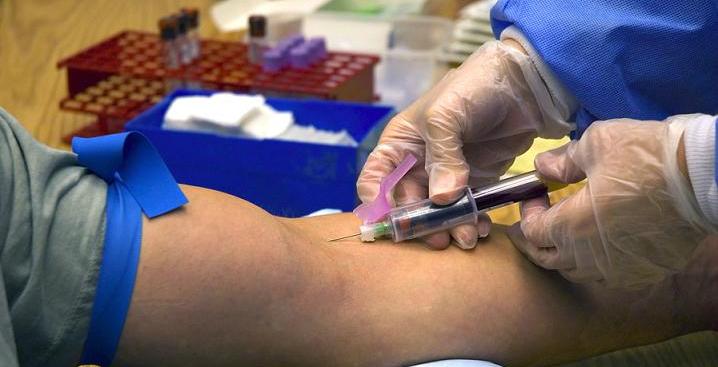
Phlebotomists play a crucial role in the healthcare industry by drawing blood from patients for various medical tests and procedures. While the job itself is rewarding and fulfilling, many aspiring phlebotomists wonder about the salary potential in this field. In this comprehensive guide, we will explore how much phlebotomists really make, the factors that can influence their pay rates, and practical tips to maximize their earnings.
Average Phlebotomist Salary:
Phlebotomists’ salaries can vary depending on factors such as location, experience, employer, and certification. On average, phlebotomists in the United States earn a median annual salary of around $35,000, according to the Bureau of Labor Statistics. However, salaries can range from $25,000 to $50,000 or more, depending on the aforementioned factors.
Factors Influencing Phlebotomist Salary:
Several factors can impact a phlebotomist’s salary, including:
1. Location: Phlebotomists working in metropolitan areas or high-demand regions may earn higher salaries due to cost of living differences.
2. Experience: Experienced phlebotomists with several years in the field and additional certifications typically earn higher salaries than entry-level phlebotomists.
3. Employer: Phlebotomists working in hospitals, clinics, or diagnostic laboratories may receive different salary packages based on the employer’s size, location, and budget.
4. Certification: Phlebotomists who hold certifications like the Certified Phlebotomy Technician (CPT) or Registered Phlebotomy Technician (RPT) may command higher salaries due to their specialized skills and knowledge.
Practical Tips to Maximize Earnings:
If you’re a phlebotomist looking to increase your earning potential, consider the following tips:
1. Obtain additional certifications: Pursuing advanced certifications in phlebotomy or related fields can help you stand out and negotiate higher salaries.
2. Gain experience: Building a strong track record and accumulating years of experience can lead to better job offers and salary increases.
3. Specialize: Consider specializing in a specific area of phlebotomy, such as pediatric phlebotomy or geriatric phlebotomy, to enhance your skills and earning potential.
4. Negotiate: When applying for phlebotomy positions or seeking a salary raise, don’t be afraid to negotiate for a competitive salary based on your experience and qualifications.
Conclusion:
Phlebotomists play a vital role in the healthcare system, and their salaries reflect their valuable contributions to patient care. While the average salary for phlebotomists is around $35,000 per year, factors such as location, experience, employer, and certification can impact their earning potential. By following practical tips to maximize earnings, phlebotomists can increase their salary prospects and advance their careers in this rewarding field.
Remember, being a phlebotomist is not just a job, it’s a calling. So, if you’re passionate about helping others and committed to excellence in your work, the financial rewards will follow. Good luck on your phlebotomy journey!