**Title: Unlock Your Career Potential: How to Get a Phlebotomy Certification**
**Introduction:**
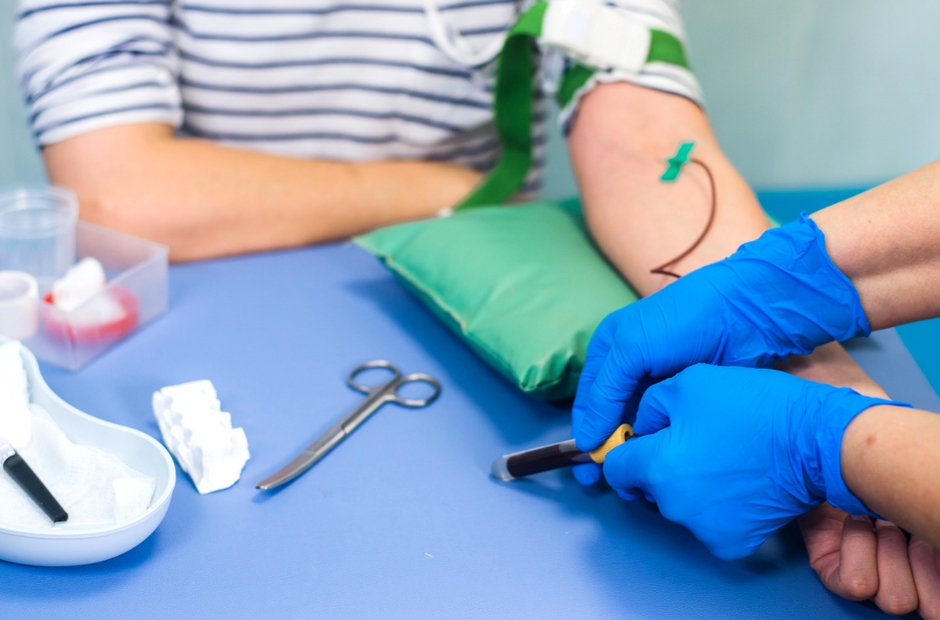
Are you looking to kickstart a rewarding career in the medical field? Consider becoming a phlebotomist! Phlebotomy is the practice of drawing blood from patients for medical testing, donation, or research purposes. As a phlebotomist, you will play a crucial role in healthcare by ensuring the safe and efficient collection of blood samples. To become a certified phlebotomist, you must complete a phlebotomy certification program. In this article, we will discuss the steps you need to take to get your phlebotomy certification and unlock your career potential.
**Benefits of Getting a Phlebotomy Certification:**
Before we dive into the details of how to get a phlebotomy certification, let’s first explore the benefits of becoming a certified phlebotomist:
1. **Job Opportunities**: With a phlebotomy certification, you will have a competitive edge in the job market. Many healthcare facilities prefer to hire certified phlebotomists due to their specialized training and expertise.
2. **Career Advancement**: A phlebotomy certification can open up opportunities for career advancement. Certified phlebotomists may qualify for higher-paying positions and additional responsibilities within healthcare settings.
3. **Professional Credibility**: Holding a phlebotomy certification demonstrates to employers and patients that you have met the industry’s standards and possess the necessary skills to perform phlebotomy procedures safely and accurately.
**How to Get a Phlebotomy Certification:**
To obtain your phlebotomy certification, follow these steps:
1. **Complete a Phlebotomy Training Program**: Enroll in a phlebotomy training program accredited by organizations such as the National Accrediting Agency for Clinical Laboratory Sciences (NAACLS) or the Accrediting Bureau of Health Education Schools (ABHES). These programs typically include classroom instruction and hands-on clinical experience.
2. **Meet Certification Requirements**: To be eligible for certification, you must meet certain requirements set by certifying organizations such as the American Society for Clinical Pathology (ASCP) or the National Phlebotomy Association (NPA). Common requirements include a high school diploma or GED, completion of a phlebotomy training program, and a specified number of venipunctures and skin punctures.
3. **Pass the Certification Exam**: Once you have completed your training program, you will need to pass a certification exam to become a certified phlebotomist. The exam typically covers topics such as anatomy and physiology, blood collection techniques, infection control, and lab safety.
**Practical Tips for Obtaining Your Phlebotomy Certification:**
– **Study Frequently**: Prepare for the certification exam by studying regularly and reviewing key concepts from your training program.
– **Practice Venipuncture Skills**: To build confidence and proficiency in venipuncture, practice on simulation arms or volunteer for blood draws under the supervision of a qualified phlebotomist.
**Conclusion:**
Becoming a certified phlebotomist is a rewarding career path that offers job stability, professional growth, and the opportunity to make a difference in patients’ lives. By completing a phlebotomy training program, meeting certification requirements, and passing the certification exam, you can unlock your career potential in the healthcare industry. Start your journey towards becoming a certified phlebotomist today and take the first step towards a successful and fulfilling career.