**Title: The Ultimate Guide to Phlebotomy Duties: What You Need to Know!**
**Introduction:**
Phlebotomy is a crucial aspect of healthcare that involves drawing blood from patients for various laboratory tests, transfusions, donations, or research purposes. Phlebotomists play an essential role in the healthcare system, and understanding their duties is vital for anyone considering a career in phlebotomy. In this ultimate guide, we will delve into the core responsibilities and skills required for phlebotomists.
**What Does a Phlebotomist Do?**
Phlebotomists are trained healthcare professionals responsible for drawing blood from patients safely and efficiently. They work in hospitals, clinics, laboratories, blood banks, and other healthcare settings. Here are some of the primary duties of a phlebotomist:
1. **Patient Interaction**: Phlebotomists must have excellent communication skills to calm nervous patients, explain the procedure, and address any concerns.
2. **Identifying Patients**: Phlebotomists verify the identity of patients to ensure that samples are correctly labeled and match the patient’s records.
3. **Preparing Equipment**: Phlebotomists sterilize and set up the necessary equipment, such as needles, syringes, and collection tubes, before the blood draw.
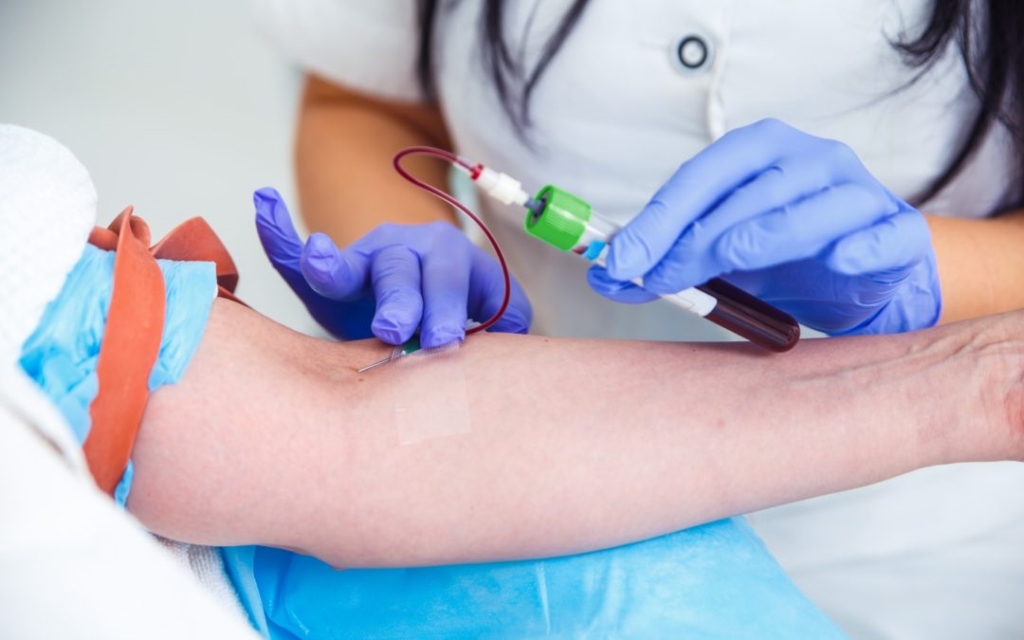
4. **Performing Venipuncture**: The process of puncturing a vein to collect blood is called venipuncture. Phlebotomists must be skilled in performing this procedure safely and painlessly.
5. **Labeling and Handling Samples**: After collecting blood, phlebotomists label the samples accurately, store them appropriately, and transport them to the laboratory for testing.
**Skills Required for Phlebotomy:**
Becoming a successful phlebotomist requires a specific set of skills, including:
– **Attention to Detail**: Phlebotomists must accurately label samples and follow strict protocols to ensure the integrity of the specimens.
– **Empathy**: Having a compassionate and empathetic demeanor is essential when dealing with patients, especially those who may be anxious or afraid of needles.
– **Technical Proficiency**: Phlebotomists should be proficient in venipuncture techniques and be able to use equipment such as syringes, vacutainers, and needles.
– **Adaptability**: Phlebotomists work with patients of all ages and medical conditions, so they must be able to adapt their approach accordingly.
**Benefits of a Career in Phlebotomy:**
– **Job Stability**: The demand for phlebotomists is expected to grow significantly in the coming years, providing stable employment opportunities.
– **Career Growth**: Phlebotomists can advance their careers by pursuing additional certifications or specializing in areas such as pediatric phlebotomy or geriatric phlebotomy.
– **Fulfilling Work**: Helping patients and contributing to the healthcare system can be a gratifying aspect of a career in phlebotomy.
**Practical Tips for Aspiring Phlebotomists:**
– **Obtain Proper Training**: Complete a phlebotomy training program and obtain certification from a recognized organization.
– **Practice Regularly**: Develop your venipuncture skills by practicing on mannequins, fellow students, or under the supervision of experienced phlebotomists.
– **Stay Updated**: Keep abreast of the latest developments in phlebotomy techniques, safety protocols, and industry trends.
**Conclusion:**
Phlebotomy is a rewarding profession that requires a unique blend of technical skills, empathy, and attention to detail. By understanding the core duties and skills required for phlebotomy, aspiring phlebotomists can embark on a fulfilling career in healthcare. If you are passionate about helping others and have a steady hand, phlebotomy may be the perfect career path for you.
In this ultimate guide, we have covered the essential aspects of phlebotomy duties, skills, and tips to help you navigate this exciting field with confidence. Whether you are considering a career as a phlebotomist or seeking to expand your knowledge, this guide serves as a valuable resource for all things phlebotomy.