**Title: 10 Essential Phlebotomy Tips Every Healthcare Professional Should Know**
**Introduction:**
Phlebotomy is a critical aspect of healthcare that involves drawing blood samples from patients for various tests, transfusions, or donations. Healthcare professionals who perform phlebotomy must have a solid understanding of best practices to ensure patient safety and accurate results. In this article, we will discuss 10 essential phlebotomy tips that every healthcare professional should know to excel in this important skill.
**1. Proper Patient Identification**
– Always verify the patient’s identity using at least two unique identifiers, such as name, date of birth, or hospital ID number, to prevent mix-ups.
**2. Hand Hygiene**
– Wash your hands thoroughly with soap and water or use hand sanitizer before and after each patient encounter to prevent the spread of infections.
**3. Choosing the Right Vein**
– Before performing venipuncture, carefully assess the patient’s veins to select the most suitable one for blood collection.
**4. Patient Comfort**
- Ensure the patient is comfortable and well-informed about the procedure to alleviate anxiety and minimize pain during phlebotomy.
**5. Proper Needle Insertion**
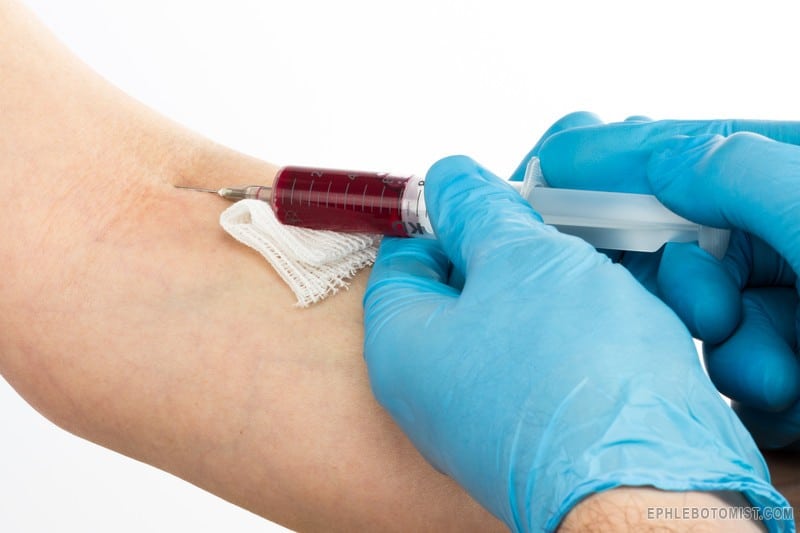
– Insert the needle at the correct angle and depth to avoid complications such as hematoma or nerve damage.
**6. Filling Blood Tubes**
– Fill blood tubes in the correct order to prevent sample contamination and ensure accurate test results.
**7. Labeling Samples**
– Label each blood sample tube immediately after collection with the patient’s name, date, and time of collection to prevent errors in processing and analysis.
**8. Disposal of Sharps**
– Dispose of used needles and other sharps in a designated sharp container to prevent needlestick injuries and potential infections.
**9. Infection Control**
– Follow standard precautions, including wearing gloves and cleaning the puncture site with antiseptic swabs, to reduce the risk of infections.
**10. Continuous Education**
– Stay updated with the latest phlebotomy techniques, guidelines, and safety protocols through regular training and professional development.
**Conclusion:**
Phlebotomy is a crucial skill for healthcare professionals, and following these 10 essential tips can help ensure a safe and efficient blood collection process. By prioritizing patient safety, accuracy, and continuous learning, healthcare professionals can excel in phlebotomy and provide high-quality care to their patients.
mastering phlebotomy requires a combination of technical skills, empathy, and attention to detail. By implementing these tips into practice, healthcare professionals can enhance their phlebotomy skills and deliver superior patient care. Remember, excellence in phlebotomy is not just about drawing blood—it’s about making a positive impact on the lives of those you serve.