**Title:** The Fascinating World of Phlebotomy: Uncovering the Science Behind Blood Draw Techniques
**Introductory Section:**
Phlebotomy is a crucial aspect of healthcare that involves the extraction of blood from patients for various purposes, including diagnostic testing, blood donations, and research. Although the idea of having blood drawn may make some individuals feel uneasy, the science behind phlebotomy is truly fascinating. In this article, we will explore the intricate techniques and procedures involved in phlebotomy, shedding light on this often-overlooked field.
**The Importance of Phlebotomy:**
Phlebotomy plays a vital role in the healthcare system, as it allows healthcare professionals to obtain blood samples for testing and analysis. These samples provide valuable information about a patient’s health status, helping doctors diagnose and monitor various medical conditions. Without phlebotomy, many medical procedures and treatments would be impossible.
**Key Components of Phlebotomy:**
There are several key components that make up the field of phlebotomy. Some of the main aspects include:
1. **Venipuncture:** Venipuncture is the process of puncturing a vein to draw blood. This technique requires skill and precision to ensure a successful blood draw without causing unnecessary discomfort or injury to the patient.
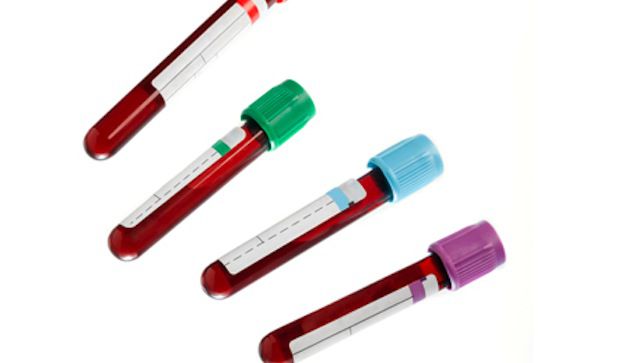
2. **Blood Collection Tubes:** Different types of blood collection tubes are used to store blood samples for testing. These tubes contain various additives that help preserve the integrity of the blood sample and facilitate accurate analysis.
3. **Proper Labeling:** Proper labeling of blood samples is essential to ensure that the correct patient information is matched with the corresponding sample. This helps prevent mix-ups and ensures accurate test results.
**Techniques and Best Practices:**
Phlebotomists are trained professionals who specialize in drawing blood and handling blood samples. They follow specific techniques and best practices to ensure a safe and efficient blood draw process. Some key techniques and best practices include:
– Using the tourniquet technique to locate and access veins for blood draw.
– Sterilizing the skin before venipuncture to prevent infections.
– Applying pressure to the puncture site to stop bleeding and minimize bruising.
**Benefits and Practical Tips:**
There are several benefits to mastering the art of phlebotomy, including:
1. **Improved Patient Care:** Proficient phlebotomy skills contribute to better patient care by ensuring accurate blood samples for diagnosis and treatment.
2. **Career Opportunities:** A career in phlebotomy offers stable employment with opportunities for advancement in the healthcare industry.
3. **Personal Satisfaction:** Successfully drawing blood and helping patients can be personally fulfilling for phlebotomists.
**Conclusion:**
phlebotomy is a fascinating field that plays a crucial role in healthcare. By understanding the science behind blood draw techniques and mastering the skills required for phlebotomy, healthcare professionals can provide superior patient care and contribute to the advancement of medical science. Whether you are considering a career in phlebotomy or simply curious about the world of blood draw techniques, exploring this field can be both educational and rewarding.