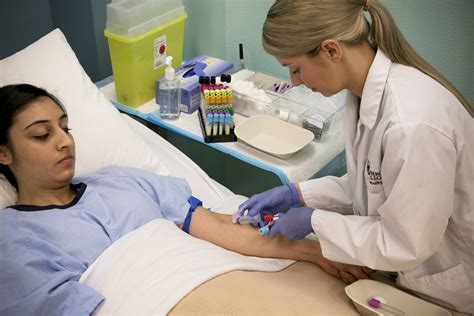
**Title: How Long Does It Take to Complete a Phlebotomy Program? A Comprehensive Guide**
**Introduction:**
Are you interested in pursuing a career in healthcare as a phlebotomist? If so, you may be wondering how long it takes to complete a phlebotomy program. In this comprehensive guide, we will delve into the details of phlebotomy training, including the duration of the program, the curriculum, and the benefits of becoming a phlebotomist. Let’s explore everything you need to know about completing a phlebotomy program.
**Duration of Phlebotomy Program:**
A typical phlebotomy program can vary in length, depending on the type of program you choose. Here are the common options for phlebotomy training programs and their respective durations:
1. Certificate Program: A certificate program in phlebotomy can typically be completed in 4 to 8 months. These programs focus specifically on phlebotomy skills and may include classroom instruction, lab practice, and a clinical externship.
2. Associate Degree Program: If you opt for an associate degree in phlebotomy, the program may take 1 to 2 years to complete. In addition to phlebotomy training, you may also take general education courses.
3. Online Phlebotomy Program: Online phlebotomy programs offer flexibility for students who have other commitments. These programs may take 4 to 6 months to complete, depending on the program structure.
**Curriculum of Phlebotomy Program:**
During a phlebotomy program, students will learn a variety of skills and knowledge related to drawing blood and working in a medical setting. Here are some common topics covered in a phlebotomy curriculum:
– Anatomy and Physiology
– Phlebotomy Techniques
– Medical Terminology
– Infection Control
– Safety Procedures
– Specimen Collection
– Venipuncture and Capillary Puncture
**Benefits of Becoming a Phlebotomist:**
Becoming a phlebotomist offers a rewarding career in the healthcare industry. Here are some benefits of pursuing a career in phlebotomy:
– High Demand: Phlebotomists are in high demand, with job opportunities in hospitals, clinics, laboratories, and blood donation centers.
- Competitive Salary: Phlebotomists can earn a competitive salary, with potential for growth in the field.
– Career Advancement: With experience and additional certifications, phlebotomists can pursue advanced roles in healthcare.
**Practical Tips for Completing a Phlebotomy Program:**
– Stay organized and manage your time effectively to balance coursework and clinical practice.
– Practice venipuncture and capillary puncture techniques regularly to improve your skills.
– Seek guidance from instructors or mentors to enhance your understanding of phlebotomy procedures.
– Stay updated with industry trends and advancements in phlebotomy practice.
**Conclusion:**
Completing a phlebotomy program can be an exciting journey towards a rewarding career in healthcare. Whether you choose a certificate program, an associate degree, or an online program, the skills and knowledge you gain will prepare you for a successful career as a phlebotomist. With dedication and hard work, you can achieve your goal of becoming a skilled phlebotomy professional.
the duration of a phlebotomy program can range from a few months to a couple of years, depending on the program type. By following the curriculum, practicing essential skills, and leveraging the benefits of becoming a phlebotomist, you can embark on a fulfilling career path in the healthcare industry.
Remember, if you have a passion for helping others and a keen interest in healthcare, pursuing a phlebotomy program could be the perfect choice for you. Good luck on your journey to becoming a certified phlebotomist!