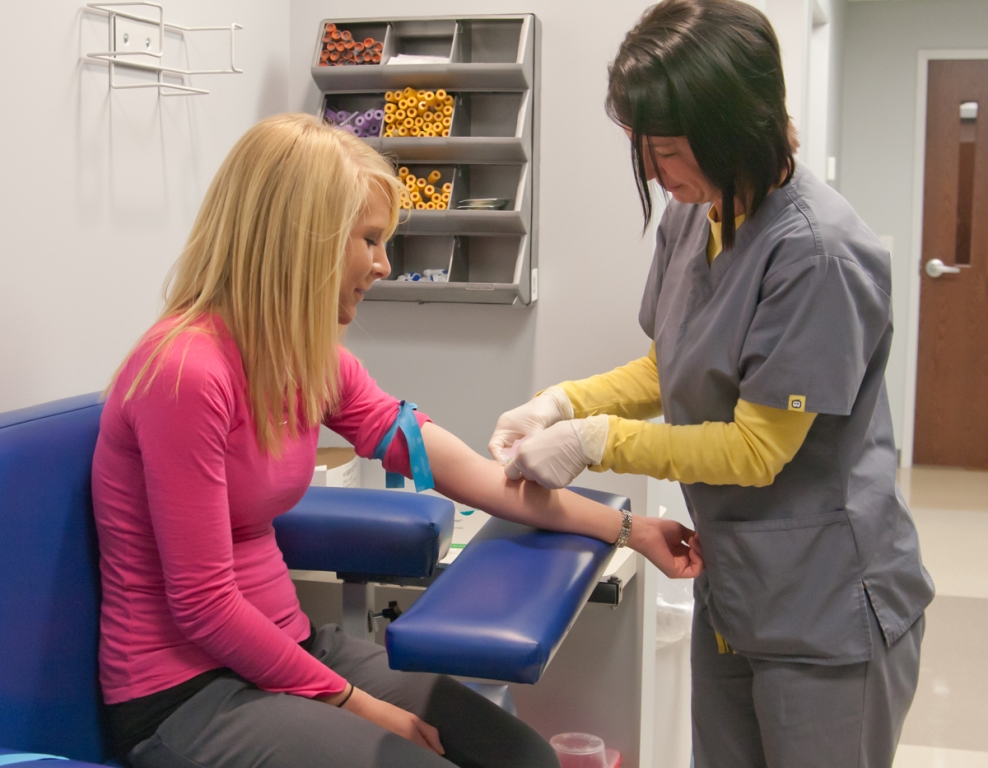
**Mastering Phlebotomy: Your Step-by-Step Guide to Getting Licensed**
If you are considering a career in the healthcare field and have a keen interest in drawing blood, becoming a licensed phlebotomist may be the perfect path for you. Phlebotomy is a crucial aspect of patient care, as it involves the collection and handling of blood samples for medical testing, transfusions, donations, and research. In this comprehensive guide, we will walk you through the steps to becoming a certified phlebotomist and mastering the art of phlebotomy.
**Introduction to Phlebotomy**
Phlebotomy is a rapidly growing field in healthcare, with a high demand for skilled professionals. As a phlebotomist, you will be responsible for drawing blood from patients accurately and safely, managing blood samples, and ensuring proper labeling and documentation. Phlebotomists work in various settings, including hospitals, clinics, laboratories, blood banks, and doctor’s offices.
**How to Get Licensed as a Phlebotomist**
Becoming a licensed phlebotomist requires completing a phlebotomy training program, gaining hands-on experience through clinical practice, and passing a certification exam. Here are the steps to help you get licensed as a phlebotomist:
1. **Education and Training:** Enroll in a phlebotomy training program offered by community colleges, vocational schools, or online institutions. These programs typically last from 4 to 8 weeks and cover topics such as anatomy, physiology, medical terminology, blood collection techniques, infection control, and proper handling of blood samples.
2. **Clinical Experience:** After completing the classroom training, you will need to gain hands-on experience through a clinical practice component. This involves performing venipunctures and skin punctures on real patients under the supervision of experienced phlebotomists.
3. **Certification Exam:** Once you have completed your education and clinical training, you will need to pass a certification exam to become a licensed phlebotomist. The most commonly recognized certification agencies for phlebotomy include the National Healthcareer Association (NHA), the American Society for Clinical Pathology (ASCP), and the National Phlebotomy Association (NPA).
4. **Continuing Education:** To maintain your phlebotomy license, you will need to participate in continuing education courses and renew your certification periodically. This ensures that you stay up-to-date with the latest advancements in phlebotomy practices and technologies.
**Benefits of Becoming a Licensed Phlebotomist**
– High demand for phlebotomists in the healthcare industry
– Competitive salaries and opportunities for career advancement
- Job stability and security
– Fulfilling work that directly impacts patient care
**Practical Tips for Success in Phlebotomy**
– Develop excellent communication skills to help patients feel comfortable and at ease during blood draws
– Hone your technical skills through practice and hands-on experience
– Pay attention to detail and follow strict protocols for blood collection and handling
– Stay current on industry trends and innovations in phlebotomy techniques
**Conclusion**
Becoming a licensed phlebotomist is a rewarding and fulfilling career choice that offers a high level of job satisfaction and stability. By following the steps outlined in this guide and maintaining a commitment to excellence in your practice, you can master the art of phlebotomy and make a valuable contribution to the healthcare field. Start your journey to becoming a licensed phlebotomist today and embark on a fulfilling career path that makes a real difference in the lives of patients.